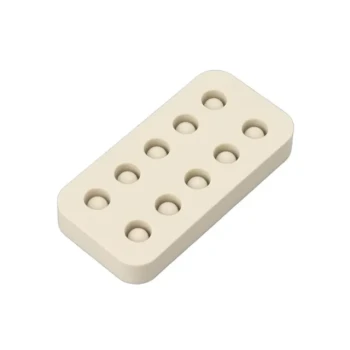
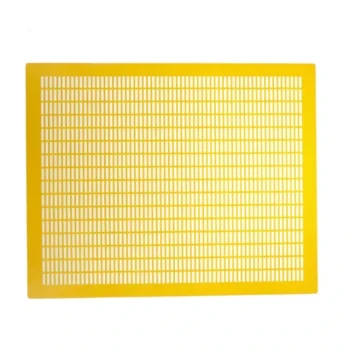
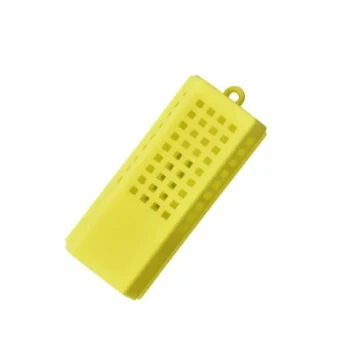
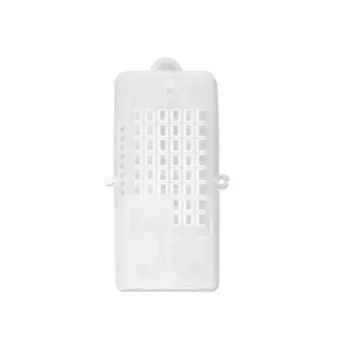
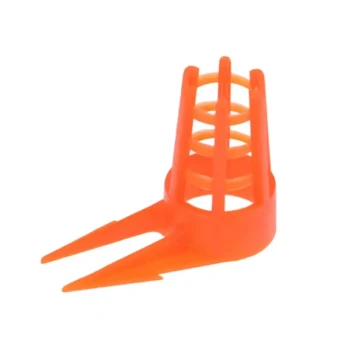
Non-grafting queen rearing systems fundamentally change the propagation process by allowing the breeder queen to lay eggs directly into specialized plastic cups. This approach completely bypasses the need for manual larva transfer, effectively eliminating the risks of physical damage and environmental stress associated with traditional grafting.
The core advantage of a modular non-grafting system is the "zero-touch" principle: by removing human handling from the equation, you ensure larvae develop into queens without suffering mechanical injury or dehydration, leading to higher acceptance rates and superior physiological health.
The Biological Integrity of the Larva
The primary benefit of a non-grafting system is the preservation of the larva's physical condition during its most fragile stage.
Eliminating Mechanical Injury
Traditional methods require the beekeeper to physically lift a microscopic larva using a grafting needle.
Even with precision tools designed to mimic the shape of a larva, the risk of accidental crushing or bruising is high. A non-grafting system allows the queen to lay directly into the target cup, removing the risk of physical trauma entirely.
Preventing Dehydration Stress
Larvae are extremely sensitive to humidity and temperature changes.
During manual grafting, the larva is exposed to the open air, leading to rapid dehydration stress. By keeping the larva in its original cell cup without removal, the modular system maintains the optimal moisture balance required for healthy development.
Outcomes for the Apiary
The improved condition of the larvae translates directly into measurable results for the beekeeper.
Higher Acceptance Rates
Colonies are highly sensitive to the quality of the brood presented to them.
Because the larvae in a non-grafting system are uninjured and unstressed, nurse bees are significantly more likely to accept them and begin drawing out queen cells. This improves the efficiency of your rearing cycle.
Superior Physiological Quality
The start a larva gets determines the quality of the queen it becomes.
Queens reared without the setback of injury or stress exhibit better overall physiological quality. A healthier queen typically correlates to better longevity and performance within the hive.
Understanding the Operational Trade-offs
While the biological advantages are clear, it is important to understand how this differs from manual methods.
Equipment Dependence vs. Manual Skill
A non-grafting system relies on specialized hardware, specifically the specialized plastic queen cups and the modular breeder box.
In contrast, manual grafting relies heavily on the dexterity of the beekeeper and simple tools. While manual grafting can be an educational process that deepens understanding of bee biology, the non-grafting system prioritizes consistency and safety over the development of manual transfer skills.
Making the Right Choice for Your Goal
To decide if a non-grafting system is the right investment for your apiary, consider your primary objectives.
- If your primary focus is Queen Quality: Choose the non-grafting system to minimize stress on larvae and maximize physiological health.
- If your primary focus is High Volume Acceptance: Choose the non-grafting system to leverage the higher acceptance rates of uninjured larvae.
- If your primary focus is Skill Development: Consider manual grafting tools first to gain a tactile education in larva handling and biology before automating the process.
The modular non-grafting system is the superior choice for beekeepers who prioritize the health of the queen over the practice of manual technique.
Summary Table:
| Feature | Non-Grafting System | Traditional Manual Grafting |
|---|---|---|
| Larva Handling | Zero-touch (Queen lays in cup) | Manual transfer with needle |
| Physical Risk | None (No mechanical injury) | High (Risk of crushing/bruising) |
| Environmental Stress | Minimal (No dehydration) | Significant (Exposure to air/temp) |
| Acceptance Rate | Significantly Higher | Variable (Depends on skill) |
| Skill Requirement | Lower (System-dependent) | High (Manual dexterity) |
| Queen Quality | Superior physiological health | Potential setbacks from stress |
Elevate Your Apiary's Productivity with HONESTBEE
For commercial apiaries and distributors seeking professional-grade results, HONESTBEE provides the advanced tools necessary to scale your operations. Our comprehensive wholesale range includes specialized non-grafting queen rearing systems, precision hive-making machinery, and high-efficiency honey-filling equipment.
Whether you are looking for durable beekeeping hardware or essential industry consumables, our products are designed to ensure the biological integrity of your colonies and the profitability of your business. Contact us today to discuss our wholesale offerings and discover how our global expertise can support your growth.
References
- Letícia Carlesso de Paula Sena, Mariana Nikolla. Seasonal Aplication of Jenter's Method for a Successful Queen Bees' Rearing in Albania. DOI: 10.1080/13102818.2010.10817878
This article is also based on technical information from HonestBee Knowledge Base .
Related Products
- Premium Nicot Style Queen Rearing Kit with Hair Roller Bee Cages
- Jenter Queen Rearing Kit Complete Set for Bee Breeding
- Portable Queen Bee Incubator with 12V Car Adapter for Safe Transport
- 10-Cell Silicone Beeswax Bee Queen Cups Forming Mold
- Twin Queen Styrofoam Honey Bee Nucs Mating and Breeding Box
People Also Ask
- What is the primary function of a queen rearing kit? Eliminate Manual Grafting for Superior Bee Breeding
- What are some alternative methods to grafting for queen cell production? Discover Graft-Free Queen Rearing Systems
- How do specialized queen rearing kits and queen management tools improve the success rate of bee colony expansion?
- How do modern queen bee rearing and breeding kits improve apiary management? Transition to Proactive Precision Breeding
- How is 'active' queen rearing defined in beekeeping? Master Intentional Colony Management & Genetic Control