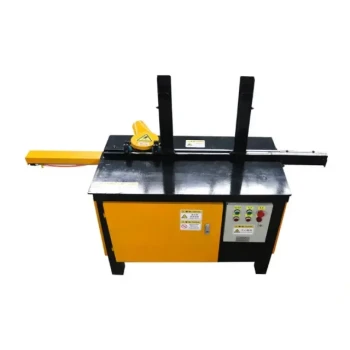
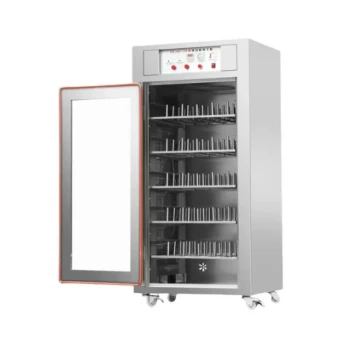
The decisive advantage of using a specialized temperature-controlled drying machine lies in its ability to decouple the drying process from environmental variability. By maintaining a constant flow of circulating air typically below 40°C, these machines ensure uniform moisture removal while protecting the product's chemical integrity. This contrasts sharply with natural air drying, where inconsistent temperatures and humidity levels frequently compromise both the safety and quality of the final product.
Core Takeaway: Specialized drying equipment is not merely a convenience; it is a quality assurance necessity that prevents the thermal degradation of bioactive compounds, ensuring the bee bread retains the functional nutritional value required for high-grade commercial or medicinal use.
Preservation of Bioactive Integrity
Protecting Heat-Sensitive Compounds
The primary value of bee bread lies in its complex nutritional profile. Specialized machines maintain a precise thermal environment that prevents the destruction of phenolic compounds and flavonoids.
These bioactive components are highly sensitive to heat spikes. Natural air drying lacks regulation, subjecting the pollen to temperature swings that can degrade these nutrients.
Preventing Enzymatic Loss
Beyond basic nutrients, bee bread contains valuable enzymes and vitamins. The controlled environment of a drying machine minimizes thermal degradation.
By keeping the temperature consistently low (sub-40°C), the machine ensures that the final product retains the biological activity that consumers expect from functional bee products.
Stability and Safety
Eliminating Environmental Risks
Natural air drying leaves bee bread vulnerable to environmental fluctuations. Changes in humidity can pause the drying process, allowing bacteria or mold to develop.
Furthermore, open-air drying often exposes the material to ultraviolet (UV) radiation from sunlight. This radiation can destroy bioactive substances, a risk completely eliminated by the enclosed environment of a drying machine.
Achieving Precise Moisture Content
For safe storage, bee bread must reach a specific moisture range, typically between 6% and 8%.
Specialized machines utilize continuous low-temperature airflow to reach this target efficiently. This precision prevents mold growth and extends shelf life significantly compared to the guesswork involved in natural drying.
Processing Efficiency
Facilitating Mechanical Separation
Effective processing often requires separating the bee bread from the honeycomb. A temperature-controlled machine effectively dehydrates the material to a point of brittleness.
This texture is critical for mechanical separation. It allows the bee bread to be harvested cleanly without the sticky mess often associated with naturally dried or insufficiently dehydrated honeycombs.
Understanding the Trade-offs
Equipment Investment vs. Operational Control
While natural air drying is a zero-cost method regarding equipment, it demands a high tolerance for product loss and inconsistency.
Specialized machines require an upfront capital investment and consume energy. However, this cost buys you repeatability. You trade the unpredictability of the weather for a standardized, professional workflow.
Complexity of Operation
Using specialized equipment requires adherence to specific protocols. Operators must monitor time and temperature settings to avoid over-drying, which could compromise texture, or under-drying, which risks spoilage.
Making the Right Choice for Your Goal
To determine the best approach for your bee bread processing, consider your end-use requirements:
- If your primary focus is Medicinal Quality: You must use a temperature-controlled machine to prevent the degradation of heat-sensitive enzymes, flavonoids, and phenolic compounds.
- If your primary focus is Shelf-Life and Safety: You should use specialized equipment to guarantee the moisture content reaches the critical 6-8% range required to prevent mold.
- If your primary focus is Processing Efficiency: You need the controlled dehydration of a machine to render the honeycomb brittle enough for easy mechanical separation.
By controlling the thermal environment, you elevate bee bread from a raw agricultural harvest to a stable, high-value functional product.
Summary Table:
| Feature | Specialized Drying Machine | Natural Air Drying |
|---|---|---|
| Temperature Control | Consistent & Regulated (<40°C) | Unpredictable Fluctuations |
| Nutrient Retention | High (Phenolics & Flavonoids) | High Risk of Thermal Loss |
| Contamination Risk | Sealed/Enclosed Environment | Exposed to UV, Dust, & Mold |
| Moisture Precision | Target 6-8% Achieved Easily | Inconsistent & Weather-Dependent |
| Separation Ease | High (Creates Brittle Texture) | Low (Often Remains Sticky) |
Elevate Your Professional Apiary with HONESTBEE
Are you ready to transform your raw bee bread into a premium, medicinal-grade product? HONESTBEE specializes in supporting commercial apiaries and distributors with high-performance beekeeping tools and industrial machinery.
We provide a comprehensive wholesale catalog including:
- Specialized drying and honey-filling machines to ensure product stability.
- Hive-making equipment for infrastructure scaling.
- Essential industry consumables and honey-themed cultural merchandise.
Don't let environmental unpredictability compromise your harvest. Contact HONESTBEE today to discover how our equipment solutions can maximize your bioactive retention and operational efficiency.
References
- Piotr Semkiw, P. Skubida. Bee Bread Production—A New Source of Income for Beekeeping Farms?. DOI: 10.3390/agriculture11060468
This article is also based on technical information from HonestBee Knowledge Base .
Related Products
- High Quality Honey Dehumidifier Dryer Thickening Machine for Beekeeping
- Professional Bee Frame Machine for Side Bar Shaping
- High-Efficiency Pneumatic Bee Hive Making Machine for Rapid Box Assembly
- HONESTBEE Bee Frame Grooving Machine | Precision Slotting for Bee Frame Making
- HONESTBEE Professional Cabinet Bottle Dryer
People Also Ask
- Can you dehumidify honey? A Beekeeper's Guide to Preventing Fermentation
- How to dry up honey? The Safe Guide to Stabilizing Honey and Preventing Fermentation
- How can the moisture content of honey be reduced? A Guide to Safe, Effective Drying Methods
- How to remove humidity from honey? Protect Your Harvest from Fermentation
- What is the process for using a dehumidifier to lower honey's moisture content? Expert Drying Techniques