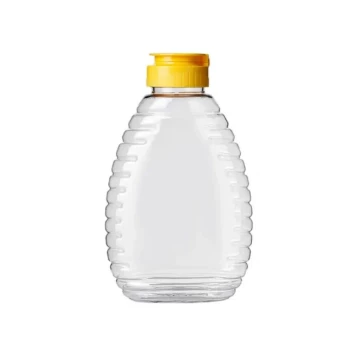
Precision nutrition delivery is the primary advantage of feeding devices equipped with plastic tubes, ensuring bees receive consistent liquid diets without the risk of mortality. These specialized tools utilize atmospheric pressure and gravity to provide controlled access to sugar solutions and water, effectively preventing bees from drowning. For commercial and laboratory environments, these devices are essential for maintaining hygiene, as they allow for rapid monitoring and the seamless replacement of supplements.
Plastic-tube feeding systems serve as a critical bridge between nutritional science and hive management, offering a leak-proof, drowning-safe method for high-precision honeybee replenishment. For distributors and resellers, these tools represent a high-demand category that combines operational efficiency with proven colony safety.
Enhancing Colony Health through Precision Engineering
Eliminating Drowning Risks
The core design of plastic-tube and gravity feeders creates a controlled interface that prevents bees from falling into the liquid reservoir. By utilizing atmospheric pressure and liquid surface tension, these devices ensure that only a thin film or small droplet of syrup is accessible at any time. This safety feature is vital for protecting the colony’s population, especially during sensitive indoor replenishment or laboratory trials.
Maintaining Optimal Hygiene
Hygiene is a cornerstone of artificial feeding, and plastic-tube devices allow personnel to easily monitor diet consumption and replace old supplements. The transparent nature of plastic tubes and bottles provides an immediate visual indicator of feed levels and potential spoilage. This transparency ensures that bees are only consuming fresh, uncontaminated nutrition, which is crucial for preventing the spread of pathogens within the hive.
Preventing Feed Contamination
Unlike open feeding methods, enclosed plastic systems protect the liquid diet from external contaminants like dust or hive debris. When using precision tools like needleless syringes, the open-tip design specifically facilitates access for bee mouthparts while preventing feces from entering the feed supply. This level of purity is essential for maintaining the integrity of nutritional formulas and ensuring reliable physiological results.
Maximizing Commercial Utility and Data Accuracy
Streamlined Monitoring for Large-Scale Operations
For commercial resellers and industrial beekeepers, the ability to precisely calculate average daily consumption is a major competitive advantage. These feeding devices can be weighed periodically, allowing technicians to gather granular data on how different nutritional formulas impact survival rates. This data-driven approach allows for the optimization of feed costs and the maximization of colony productivity.
Efficiency in Order Fulfillment and Service
As a trusted technical advisor, we understand that professional distributors require a comprehensive full-spectrum product portfolio to meet diverse client needs. Plastic feeders are easy to clean, highly durable, and lightweight, making them ideal for ultra-fast delivery and efficient order fulfillment. Their standardized designs allow for rapid response times when a client needs to scale their replenishment operations quickly.
Versatility Across Nutritional Diets
Plastic-tube feeders are highly adaptable, capable of dispensing everything from 65% concentration sugar solutions to specialized amino acid mixtures. This versatility allows beekeepers to use a single type of hardware for various stages of the bee life cycle or different seasonal requirements. By offering a one-stop sourcing solution for these versatile tools, resellers can simplify their clients' supply chains and improve overall customer satisfaction.
Understanding the Trade-offs
Mechanical Dependencies
While gravity and atmospheric pressure feeders are highly effective, they rely on a perfect seal to maintain the vacuum required for flow control. If a bottle cap is not tightened correctly or if the plastic tube develops a hairline crack, the system may leak, potentially causing the very drowning issues it was designed to prevent.
Temperature Sensitivity
Plastic components can be sensitive to extreme thermal fluctuations within the hive environment. While some delivery methods, like perforated nylon bags, are designed to minimize moisture loss in high-heat conditions, rigid plastic feeders must be monitored to ensure the air pressure balance remains stable as temperatures rise and fall.
How to Apply This to Your Business Portfolio
As a wholesaler or distributor, selecting the right feeding technology depends on the specific operational goals of your client base. Our deep professional industry expertise ensures you have access to the right tools for every scenario.
- If your primary focus is Research and Laboratory Precision: Prioritize stocking 5 mL needleless syringes and graduated plastic-tube feeders for exact dosage and consumption tracking.
- If your primary focus is Commercial Scale and Efficiency: Focus on gravity-based plastic bottle feeders that offer a balance of high-capacity storage and minimal labor requirements.
- If your primary focus is Queen Rearing or Small-Batch Feeding: Emphasize entrance feeders and specialized tube systems that minimize hive disturbance and prevent robbing.
By integrating these precision feeding solutions into your inventory, you provide your clients with the technical tools necessary for modern, data-driven apiculture.
Summary Table:
| Key Feature | Core Advantage | Commercial Utility |
|---|---|---|
| Controlled Interface | Eliminates bee drowning risks | Ensures colony safety & population stability |
| Transparent Design | Rapid monitoring of diet levels | Simplifies maintenance for large-scale operations |
| Enclosed System | Prevents feed contamination | Maintains high purity for research & health |
| Versatile Delivery | Handles various syrups/supplements | One-stop hardware solution for seasonal needs |
| Lightweight Material | Durable & easy to clean | Reduces shipping costs and fulfillment time |
Scale Your Wholesale Success with HONESTBEE
Are you looking to upgrade your product lineup with high-precision beekeeping technology? HONESTBEE is your dedicated partner, providing a one-stop sourcing solution for commercial apiaries and B2B distributors. We offer a full-spectrum portfolio, from specialized plastic feeders and hive-making machinery to essential industry consumables.
Why Partner with HONESTBEE?
- Comprehensive Portfolio: Access everything from honey-filling machines to honey-themed cultural merchandise.
- Unmatched Efficiency: Benefit from ultra-fast delivery and rapid response times to keep your supply chain moving.
- Expert Support: Leverage our deep professional industry expertise to provide your clients with the best technical advice.
Enhance your profit margins and provide your customers with reliable, premium-grade equipment. Contact us today to explore our wholesale offerings!
References
- Muhammad Sarmad, Pavel Ryšánek. Impact of different constant temperatures on the survival of honey bee, Apis mellifera (Hymenoptera: Apidae). DOI: 10.1007/s13592-025-01191-y
This article is also based on technical information from HonestBee Knowledge Base .
Related Products
- Rapid Bee Feeder White Plastic 2L Round Top Feeder for 8 or 10-Frame Bee Hives
- 3.5L Plastic Beehive Frame Feeder Deep Frame Water Feeder for In Hive Use
- White Plastic 0.5L Beekeeping Entrance Feeder for Bees
- Yellow Plastic Bucket Pail Perch for Beekeeping
- Squeezable No-Drip Beehive-Shaped Honey Jars with Flip-Top Cap
People Also Ask
- What should be done with feeders and equipment after feeding bees? Essential Steps for Apiary Health
- What should be done if feed in a feeder is not consumed by the bees? Prevent Hive Mold with Prompt Feed Management
- What is the necessity of specialized internal or entrance feeders? Secure Your Hive with Professional Feeding Tools
- How do bee feeders work to preserve colony health during nectar shortages? Essential Guide for Beekeepers
- How quickly does a medium to strong colony usually empty a feeder? A Beekeeper's Guide to Hive Health