Food-grade plastic containers provide superior sealing and hygiene capabilities that are essential for maintaining honey quality. Unlike traditional animal skin bags or clay pots, these modern containers offer chemical stability that blocks moisture, prevents external odors from tainting the product, and drastically reduces the risk of microbial contamination caused by poor sanitation.
Core Takeaway To meet professional standards and ensure product longevity, moving away from porous traditional vessels is non-negotiable. Food-grade equipment is the only reliable method to secure the chemical stability and hygiene levels required for international export.
Preserving Chemical Integrity
The Criticality of Moisture Control
Honey is naturally hygroscopic, meaning it absorbs water from the air. Food-grade plastic offers superior sealing properties that effectively block moisture absorption.
Maintaining low moisture content is vital to prevent fermentation. Traditional vessels often lack the airtight seals necessary to protect the honey from ambient humidity.
Eliminating Odor Absorption
Honey easily picks up environmental scents, which degrades its flavor profile. Food-grade plastic provides a neutral barrier that prevents the intrusion of external odors.
In contrast, porous materials like untreated clay or animal skins can harbor distinct smells that eventually seep into the honey, compromising its natural taste.
Ensuring Chemical Stability
High-quality plastic containers are chemically stable. This ensures the vessel itself does not react with the honey's acidic composition.
This stability preserves the honey's purity over long storage periods, whereas traditional materials may interact unpredictably with the product.
Hygiene and Sanitation Standards
Overcoming Cleaning Challenges
One of the most significant drawbacks of traditional vessels is sanitation. Animal skin bags and untreated clay pots are inherently difficult to clean thoroughly.
The textures and pores of these materials trap residues, making them nearly impossible to sterilize between uses.
Preventing Microbial Contamination
Because traditional vessels are hard to sanitize, they become breeding grounds for bacteria and yeast. This significantly increases the risk of microbial contamination.
Food-grade plastic surfaces are smooth and non-porous, allowing for complete sanitization that eliminates the risk of introducing spoilage organisms into fresh honey.
Understanding the Trade-offs
The Cost of Professionalization
While traditional methods like clay pots may be readily available or culturally significant, they act as a barrier to market expansion.
Adopting food-grade plastic requires an upfront investment in professional equipment. However, this cost is offset by the reduction in product spoilage and the ability to access higher-value markets.
Making the Right Choice for Your Goal
To determine the best collection method for your operation, consider your end-market requirements.
- If your primary focus is International Export: You must use food-grade plastic containers, as they are a fundamental requirement for meeting global quality and hygiene standards.
- If your primary focus is Local Consumption: You may use traditional methods for immediate use, but you must accept a higher risk of spoilage and flavor contamination.
Switching to professional food-grade containers is the single most effective step toward guaranteeing the purity and marketability of your honey.
Summary Table:
| Feature | Food-Grade Plastic Containers | Traditional (Skin/Clay) | Benefit for Producers |
|---|---|---|---|
| Moisture Barrier | Superior airtight sealing | Porous; absorbs humidity | Prevents honey fermentation |
| Odor Protection | Neutral chemical barrier | High risk of scent transfer | Preserves natural flavor profile |
| Sanitation | Smooth and easy to sterilize | Difficult to clean; harbors bacteria | Minimizes microbial contamination |
| Market Readiness | Meets international export standards | Limited to local, short-term use | Access to higher-value markets |
Elevate Your Apiary to International Standards with HONESTBEE
Transitioning from traditional vessels to professional equipment is the key to scaling your honey business. At HONESTBEE, we specialize in supporting commercial apiaries and distributors by providing a comprehensive wholesale range of high-quality beekeeping tools and industrial machinery.
Whether you need food-grade storage solutions, advanced honey-filling machines, or specialized hive-making hardware, our portfolio is designed to ensure the chemical stability and hygiene of your harvest. We also offer essential industry consumables and honey-themed cultural merchandise to help you build a complete brand presence.
Ready to reduce spoilage and unlock global market potential? Contact us today to discover how our expert-vetted equipment can transform your production efficiency and product purity.
References
- Dekamo Fiseha. Assessment on Postharvest Handling Practices of Honey in Chena District, Southwestern Ethiopia. DOI: 10.7176/fsqm/89-04
This article is also based on technical information from HonestBee Knowledge Base .
Related Products
- Food Grade Plastic Honey Bucket Pail for Beekeeping
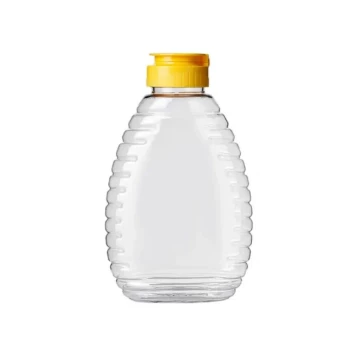
- Squeezable No-Drip Beehive-Shaped Honey Jars with Flip-Top Cap
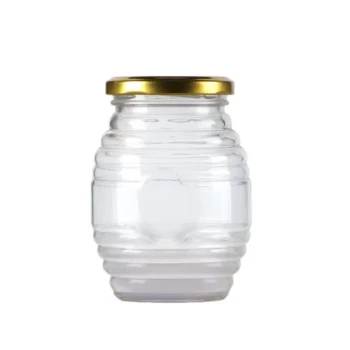
- Classic Drum Shaped Glass Honey Jar with Airtight Lid
- Classic Beehive Honey Bottle Jar with Squeeze Dispenser Lid
- Modern Square Glass Honey Jar with Twist Off Lid
People Also Ask
- What key operational precautions should be taken when using honey buckets and extractors fitted with bottom drain taps?
- What functions do food-grade honey buckets perform? Safeguard Your Harvest and Optimize Apiary Logistics
- Why are food-grade plastic buckets preferred for honey? Protect Quality with Modern Honey Collection Tools
- What is the significance of food-grade plastic honey collection buckets? Boost Quality in Forest Honey Logistics
- What is a honey pail? The Essential Container for Protecting Your Honey's Value