High-performance hive materials provide distinct strategic advantages in tropical environments by offering superior resistance to corrosion, pests, and thermal extremes. Unlike traditional materials that degrade quickly in high heat and humidity, these specialized components ensure the physical integrity of the hive while stabilizing the internal environment required for bee survival.
By minimizing the biological stress caused by environmental fluctuations, high-performance materials allow colonies to conserve energy typically wasted on cooling and drying the hive. This energy surplus is directly redirected into nectar collection, facilitating higher honey yields and long-term sustainability.
Combating Environmental Stressors
Resisting Material Degradation
Tropical rainforest environments are characterized by intense humidity and heat, which accelerate the rot and corrosion of standard building materials. High-performance hive materials are engineered specifically to withstand these harsh elements. This durability ensures the hive remains a secure shelter without frequent replacement or repair.
Deterring Pests and Predators
Pest resistance is a critical feature of high-performance hive construction. In dense forest ecosystems, colonies face constant threats from insects and other predators seeking entry. These materials provide a robust physical barrier, securing the colony against external biological threats.
Optimizing the Internal Microclimate
Superior Thermal Insulation
The primary challenge in a tropical climate is preventing the hive from overheating. High-performance materials offer advanced insulation that buffers the colony against external temperature spikes. This helps maintain the consistently warm—but not excessive—internal temperature required for brood rearing.
Managing Humidity and Ventilation
Excessive moisture can create an unhealthy environment for bees, leading to disease and mold. While good ventilation is essential, the hive material itself must not absorb or retain moisture. These specialized materials assist in maintaining a stable internal humidity level, preventing the drastic variations that threaten colony health.
enhancing Productivity and Efficiency
The Energy Budget Shift
Bees operate on a finite energy budget; they must choose between regulating the hive climate and foraging for food. When the hive material passively regulates temperature and humidity, the colony reduces the active energy required for fanning and cooling.
Increasing Nectar Collection
Because the colony spends less energy fighting the environment, more bees are released for foraging duties. This direct reallocation of labor supports sustainable, high-yield honey production, making the operation more profitable and efficient.
Promoting Environmental Sustainability
Eliminating Destructive Harvesting
The use of durable, manufactured hives facilitates the creation of permanent apiary sites. This provides a structured alternative to traditional honey hunting, which often involves felling trees or using fire to access wild colonies.
Protecting Primary Forests
By moving away from destructive extraction methods, high-performance beekeeping aids in the preservation of primary forest habitats. It allows communities to harvest honey without physically damaging the surrounding ecosystem.
Understanding the Operational Requirements
The Necessity of Ventilation
High-performance insulation is effective, but it must be paired with proper ventilation strategies. If a hive is too sealed, internal moisture from the bees' respiration can become trapped.
Consistent Monitoring
Advanced materials do not eliminate the need for management. As noted in supplementary guidelines, beekeepers must frequently monitor internal conditions to ensuring the balance between insulation and airflow remains optimal for colony health.
Making the Right Choice for Your Goal
To select the best approach for your specific environment, consider your primary objectives:
- If your primary focus is maximizing honey yield: Prioritize materials with the highest thermal insulation ratings to minimize the metabolic energy bees waste on hive cooling.
- If your primary focus is forest conservation: Utilize standardized hive-making machinery to produce durable hives that replace destructive wild honey hunting practices.
- If your primary focus is long-term asset protection: Select materials specifically rated for corrosion and rot resistance to withstand the high humidity of the tropical climate.
High-performance materials transform beekeeping from a struggle against the elements into a streamlined system that benefits both the colony and the ecosystem.
Summary Table:
| Feature | Traditional Materials | High-Performance Materials | Impact on Colony |
|---|---|---|---|
| Durability | Rapid rot and corrosion | High resistance to rot/humidity | Long-term asset protection |
| Pest Resistance | Prone to infestations | Robust physical barrier | Enhanced security and survival |
| Thermal Control | Poor insulation; fluctuates | Superior thermal buffering | Reduced energy waste on cooling |
| Moisture Mgmt | Absorbs moisture; promotes mold | Moisture-wicking/Stable levels | Lower disease risk; healthier brood |
| Honey Yield | Moderate/Unstable | High/Consistent | More foragers available for nectar |
Maximize Your Apiary’s Potential with HONESTBEE
At HONESTBEE, we specialize in empowering commercial apiaries and distributors with the tools needed to conquer challenging environments. Whether you are looking for high-performance specialized hardware, hive-making machinery to establish sustainable operations, or advanced honey-filling equipment, our comprehensive wholesale portfolio has you covered.
Our value to you:
- Durable Solutions: Equipment engineered to withstand tropical humidity and heat.
- End-to-End Supply: From essential consumables to honey-themed cultural merchandise.
- Efficiency Gains: Machinery designed to reduce labor and increase honey output.
Ready to upgrade your beekeeping infrastructure? Contact us today to explore our wholesale offerings and secure your path to sustainable, high-yield honey production.
References
- Didik B. Purwanto, Muhamad Sahlan. Evaluation of Honey Production for Industry Purposes, The Case of Beekeeping with Apis Mellifera in Indonesia After The Covid-19 Pandemic. DOI: 10.46799/ijssr.v4i03.719
This article is also based on technical information from HonestBee Knowledge Base .
Related Products
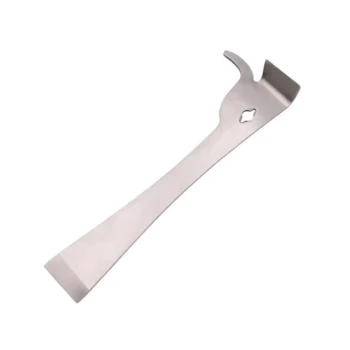
- HONESTBEE Classic Pry Bar Hive Tool with High Visibility Finish for Beekeeping
- Stainless Steel J Hook Hive Tool for Beekeeping
- Wholesales Dadant Size Wooden Bee Hives for Beekeeping
- Yellow Plastic Bucket Pail Perch for Beekeeping
- Plastic Bee Frame Beekeeping Hive Frames for Wholesale
People Also Ask
- What specific challenges do beekeeping hive tools address during hive maintenance? Essential Solutions for Apiaries
- Why are specialized beekeeping tools essential for executing colony health monitoring processes? Enhance Hive Precision
- What are some essential tools for beekeepers? Start Your Apiary with the Right Gear
- What are the essential tools and gear for basic beekeeping? Equip Your Apiary for Success and Safety
- What is the purpose of adding crystalline soda when disinfecting beekeeping tools? Boost Sterilization Efficiency