The primary alternatives to using smoke for hive management are liquid sprays, essential oil mixtures, and mechanical tools like brushes. While these methods allow for smoke-free interaction, they generally lack the pheromone-blocking capabilities of traditional cool smoke and come with specific functional limitations.
The core challenge with smoke alternatives is that they often manage the symptom (flying bees) rather than the cause (alarm pheromones). While water mists and oils can dampen activity for quick tasks, they are generally less effective than traditional smoke for deep interventions, as they do not trigger the biological feeding response that sedates the colony.
Liquid Spray Alternatives
Many beekeepers utilize liquid-based solutions to weigh down bees' wings and mask scents. These are typically applied using a standard handheld spray bottle.
The Water Mist Method
This is the most accessible alternative. By spraying a fine mist over the frames, you can physically dampen the bees' wings, which inhibits their ability to fly and temporarily calms the area.
However, this method relies on physical restraint rather than sedation. It can make the bees wet and uncomfortable, potentially chilling the brood or the cluster if used excessively.
Essential Oil Mixtures
To enhance the calming effect of water, natural oils such as lavender or lemongrass can be added to the spray bottle. These oils attempt to soothe the colony through scent rather than just moisture.
There is a significant caveat to this approach. Because a honey bee colony relies heavily on complex scent cues for communication, introducing strong foreign odors can have unforeseen consequences on colony behavior that are not yet fully understood.
Liquid Smoke Dilutions
Some beekeepers use food-grade liquid smoke mixed with water to mimic the scent of a traditional smoker without the combustion.
While this solution offers some success, it lacks directional control. You cannot "puff" the smoke to guide bees away from specific areas effectively. Furthermore, frequent use carries the risk of staining hive components and contaminating the honey with a smoky flavor.
Mechanical Alternatives
The Bee Brush
A bee brush is a physical tool used to sweep bees off frames during inspections or honey harvesting.
It is critical to note that a brush is not a sedative. In fact, the physical action of flicking or sweeping bees tends to agitate and anger them. It should be viewed as a tool for moving bees, not for calming them, and is not a viable replacement for smoke in terms of safety.
Understanding the Trade-offs
The Efficacy Gap
Traditional bee smokers generate cool smoke that disrupts the transmission of alarm pheromones. This chemical interruption is what prevents the spread of aggression throughout the colony.
Alternatives like water or brushes do not interrupt this chemical signal. Consequently, they are generally considered less effective, particularly when working with aggressive hives or performing invasive hive manipulations.
Discomfort vs. Sedation
Traditional smoke induces a feeding response, causing bees to gorge on honey and become lethargic.
Alternatives like water mist do not induce this docile state. Instead, they often rely on making the bees physically uncomfortable (wet) to prevent flight. This distinction makes alternatives less reliable for maintaining a calm environment during lengthy inspections.
Making the Right Choice for Your Goal
While smoke is the industry standard for a reason, alternatives have their place depending on the scope of your work.
- If your primary focus is quick, external maintenance: A water mist or essential oil spray is often sufficient to keep guard bees at bay without lighting a smoker.
- If your primary focus is deep hive inspection: Traditional cool smoke remains the safest option to ensure pheromone disruption and colony docility.
- If your primary focus is avoiding honey contamination: Avoid liquid smoke solutions, as the residue is difficult to control and can degrade the quality of your harvest.
Success in beekeeping requires matching the tool to the intensity of the intervention.
Summary Table:
| Alternative Method | Mechanism of Action | Main Advantage | Key Limitation |
|---|---|---|---|
| Water Mist | Physically dampens wings | Easy and accessible | Can chill brood; no pheromone control |
| Essential Oils | Masks scents with lavender/oils | Soothing scent | Potential disruption of hive communication |
| Liquid Smoke | Mimics smoke scent | No fire hazard | Risk of honey contamination; poor control |
| Bee Brush | Physical displacement | Precise removal | Agitates bees; not a sedative method |
Elevate Your Apiary Management with HONESTBEE
At HONESTBEE, we understand that every commercial operation and distributor has unique needs, whether you are looking for traditional smokers or modern alternatives. We provide a comprehensive wholesale range of professional-grade beekeeping tools, from high-precision hive-making machinery to advanced honey-filling systems and essential consumables.
Whether you serve commercial apiaries or retail markets, our expert-sourced portfolio is designed to enhance efficiency and colony health. Contact us today to explore our full catalog and bulk pricing—let HONESTBEE be your trusted partner in beekeeping excellence.
Related Products
- Miniature Stainless Steel Bee Smoker for Beekeeping
- Stainless Steel Honey Bee Smoker Hive and Honeycomb Smoker for Beekeeping
- Galvanized Beekeeping Smoker for Honey Bee and Apiculture
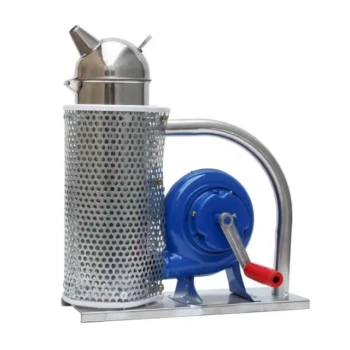
- Heavy Duty Manual Bee Smoker Blower for Beekeeping
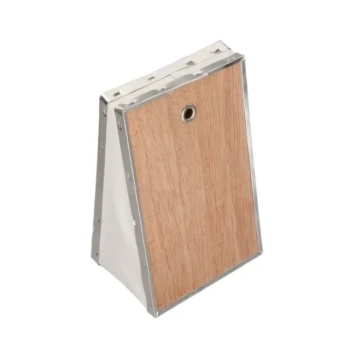
- Professional Replacement Bee Smoker Bellows for Beekeeping Equipment
People Also Ask
- What are bee smokers made out of? Choose the Right Material for Your Apiary
- How should a beekeeping smoker be used when inspecting a hive? Master Calm Hive Management Techniques
- What is the primary function and mechanism of beekeeping smokers? Enhance Hive Safety and Harvesting Efficiency
- How does smoke from a beekeeping smoker affect honeybees? Master Hive Control with Science
- What is a beekeeping smoker and what are its components? A Guide to Essential Hive Management