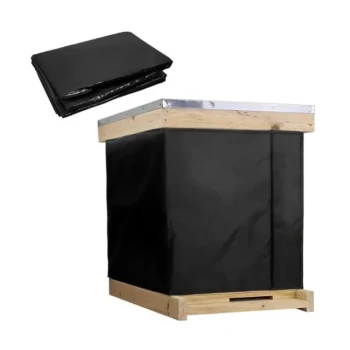
Specialized hive insulation covers and thermal materials primarily function to optimize the thermodynamic balance at the top of the beehive. By mitigating heat loss, these tools prevent the formation of dangerous cold condensation and allow the colony to maintain a stable internal temperature with significantly less energy expenditure.
Specialized insulation aids honeybee survival by reducing thermal stress and preventing freezing condensation from dripping onto the cluster. This stability lowers the metabolic rate required for the bees to stay warm, directly preserving their limited winter food stores.
The Mechanics of Thermal Protection
Optimizing Thermodynamic Balance
Heat naturally rises, making the top of the hive the critical zone for heat loss. Specialized thermal boards placed here create a barrier that retains warmth generated by the bee cluster. This stabilization helps the colony maintain a constant temperature without excessive metabolic effort.
Preventing Cold Condensation
One of the greatest winter threats is moisture accumulating on the inner cover of the hive. Without insulation, warm moist air from the bees hits the freezing cold cover, condenses, and drips back onto the cluster as ice-cold water. Insulation covers keep the internal surface warm, preventing this condensation from forming directly above the bees.
Impact on Colony Resources
Reducing Winter Store Consumption
Honeybees generate heat by shivering, a process that consumes their stored honey and pollen. By reducing the rate of heat loss to the environment, insulation reduces the caloric demand on the bees. This preservation of winter stores is vital, as starvation is a leading cause of overwintering failure.
Improving Survival in Harsh Climates
In regions with extreme cold, the colony's ability to thermoregulate is tested to its limit. Physical protection measures buffer the colony against rapid external temperature fluctuations. This added layer of defense significantly improves the survival rate of colonies during long periods without flight.
Understanding the Trade-offs
Insulation vs. Ventilation
While trapping heat is beneficial, sealing a hive too tightly can be detrimental if moisture cannot escape. Beekeepers must ensure hives remain properly ventilated even when insulated. The goal is to keep the bees warm and dry, not warm and damp, as excess moisture facilitates mold and pathogen growth.
The Importance of Fall Preparation
Insulation is an enhancement, not a cure-all for a poorly prepared hive. As noted in standard practices, beekeepers must still minimize extra space inside the hive and ensure adequate food stores before winter sets in. Insulation works best when the internal volume of the hive is already optimized for the size of the cluster.
Making the Right Choice for Your Goal
To maximize your colony's chances of success, align your insulation strategy with your specific environmental challenges.
- If your primary focus is preventing colony death from dampness: Prioritize top insulation to ensure the inner cover remains warm enough to prevent condensation from dripping on the cluster.
- If your primary focus is extending food stores: Use thermal materials to wrap the hive, reducing the metabolic energy the bees must burn to maintain warmth.
Effective overwintering relies on finding the balance between heat retention and moisture management.
Summary Table:
| Benefit | Primary Mechanism | Impact on Colony health |
|---|---|---|
| Thermodynamic Balance | Retains rising heat at the hive top | Reduces metabolic stress and energy expenditure |
| Condensation Control | Keeps inner cover warm | Prevents freezing water from dripping on the bee cluster |
| Resource Preservation | Slows caloric burn | Minimizes consumption of limited winter honey and pollen stores |
| Climate Buffering | Acts as a thermal barrier | Protects against rapid external temperature fluctuations |
Secure Your Apiary’s Success with HONESTBEE
Don't let harsh winters threaten your productivity. HONESTBEE provides commercial apiaries and distributors with premium, high-performance beekeeping equipment designed to maximize colony health and operational efficiency.
From specialized thermal materials and hive-making machinery to high-capacity honey-filling systems, we offer a comprehensive wholesale portfolio tailored to your professional needs.
Ready to scale your beekeeping business? Contact us today to explore our wholesale machinery and equipment solutions and see how our industry expertise can grow your bottom line!
References
- Kristina Gratzer, Robert Brodschneider. How Science Supports Honey Bees: Identification of Research on Best Practices in Beekeeping. DOI: 10.3390/insects16101025
This article is also based on technical information from HonestBee Knowledge Base .
Related Products
- Professional Insulated Winter Hive Wrap for Beekeeping
- Inner Beehive Cover for Beekeeping Bee Hive Inner Cover
- Professional Insulated Plastic Bee Hives
- Telescopic Beehive Outer Cover Lid Roof with Galvanised Sheeting for Langstroth Hive and Beehive Outer Cover
- Stainless Steel Round Beehive Air Vents for Ventilation
People Also Ask
- What are the steps to properly wrap a beehive for winter? Ensure Your Colony Survives the Cold
- When is the best time to wrap a beehive for winter? A Guide to Perfect Winterization Timing
- How do professional insulation wraps provide protection for bee colonies? Optimize Winter Survival & Energy Efficiency
- What are the technical benefits of using winter wraps for beehive insulation? Boost Colony Survival & Hive Health
- What are the benefits of using insulated covers for hives? Ensure Colony Survival and Health