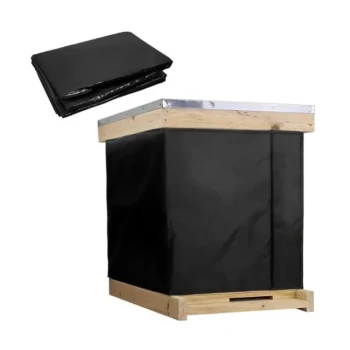
Before wrapping a beehive, you must evaluate three specific variables: your local climate conditions, the current strength of the colony, and the hive's ventilation requirements. This decision is not about simply keeping bees warm, but rather managing the delicate balance between heat retention and necessary moisture elimination.
Successful hive wrapping requires a strategic balance between insulation and airflow. While extra warmth aids survival, improper wrapping that restricts ventilation can lead to lethal condensation buildup.
Assessing Environmental and Biological Factors
To determine if wrapping is necessary, you must first look at the external environment and the internal state of the hive.
Local Climate Severity
Analyze your specific winter conditions. Hives located in regions with harsh, prolonged winters generally require insulation to survive the season. Conversely, in milder climates, heavy wrapping may be unnecessary or even detrimental.
Colony Robustness
Evaluate the size and health of the colony. Large, robust colonies are biologically efficient at generating and retaining their own heat cluster.
Support for Weaker Colonies
Smaller or weaker colonies struggle to thermoregulate. These hives benefit most significantly from the external assistance provided by insulation, as they lack the biomass to maintain core temperatures independently.
Managing the Physics of the Hive
Once you determine the biological need, you must consider the physical airflow within the hive structure.
The Ventilation Imperative
Adequate ventilation is non-negotiable. Even when wrapped, a hive must maintain a pathway for air exchange.
Balancing Heat vs. Moisture
You must balance heat retention with humidity control. The goal of wrapping is to keep the heat in while allowing moist air—a byproduct of bee respiration—to escape.
Understanding the Trade-offs
While insulation offers protection, it introduces specific risks that must be managed.
The Risk of Condensation
Trapped moisture is often deadlier than the cold. If a hive is wrapped too tightly without ventilation, warm moist air condenses on the inner surfaces and drips back onto the bees. This wet environment promotes disease and can freeze the colony.
Over-Insulation Risks
Avoid creating a sealed environment. An insulated hive is a system that must breathe; prioritizing warmth over fresh air circulation destroys the internal balance required for colony health.
Making the Right Choice for Your Situation
Before you apply any wrapping materials, review your specific goals against the conditions of your apiary.
- If your primary focus is supporting a small colony in a harsh climate: Prioritize insulation to compensate for their lack of heat generation, but ensure a top vent remains open.
- If your primary focus is managing a strong colony in a mild climate: Limit insulation or skip it entirely to prevent overheating and focus strictly on moisture ventilation.
Your goal is to provide just enough assistance to stabilize the temperature without suffocating the hive.
Summary Table:
| Key Factor | Consideration | Goal |
|---|---|---|
| Climate | Local winter severity | Determine insulation thickness |
| Colony Size | Biomass & health | Smaller colonies need more external heat support |
| Ventilation | Air exchange pathways | Prevent lethal moisture & condensation buildup |
| Moisture | Respiration byproducts | Ensure warm, moist air can escape from the top |
Maximize Your Colony’s Survival Rate with HONESTBEE
Proper winterization requires the right balance of insulation and airflow. At HONESTBEE, we specialize in supporting commercial apiaries and distributors with a complete range of professional-grade beekeeping tools and machinery.
Whether you need specialized hive-making equipment, durable hardware, or essential consumables to protect your investment, we provide the wholesale solutions you need to scale your operations.
Ready to upgrade your apiary’s efficiency? Contact us today to explore our comprehensive portfolio and see how our expertise can drive your success.
Related Products
- Professional Insulated Winter Hive Wrap for Beekeeping
- Inner Beehive Cover for Beekeeping Bee Hive Inner Cover
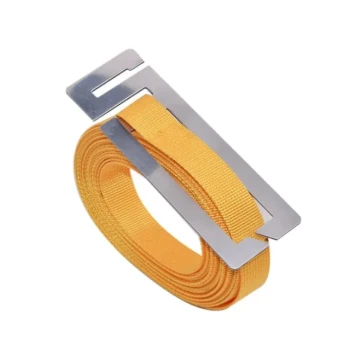
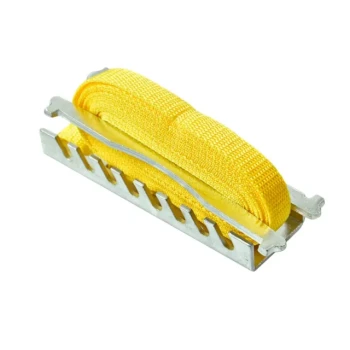
- Heavy-Duty Nylon Beehive Hive Strap with Stainless Steel Cinch Buckle
- Australian Langstroth Beehive Boxes for Beekeeping Wholesales
- High-Performance Langstroth Bee Hives for Global Professional Beekeeping
People Also Ask
- What are the steps to properly wrap a beehive for winter? Ensure Your Colony Survives the Cold
- When is the best time to wrap a beehive for winter? A Guide to Perfect Winterization Timing
- How do professional insulation wraps provide protection for bee colonies? Optimize Winter Survival & Energy Efficiency
- What are the technical benefits of using winter wraps for beehive insulation? Boost Colony Survival & Hive Health
- What are the benefits of using insulated covers for hives? Ensure Colony Survival and Health