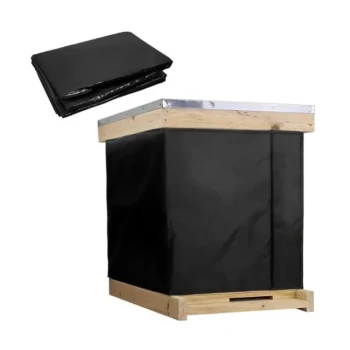
The implementation of temperature-controlled hive materials is the single most effective intervention for stabilizing the internal environment of stingless bee colonies. These high-precision materials create a consistent microclimate that insulates the colony against thermal spikes, effectively preventing colony migration or collapse caused by heat stress. Crucially, they ensure the queen bee continues reproductive production without interruption, even when external conditions reach extremes that would otherwise halt colony growth.
The survival of a stingless bee colony depends less on the external weather and more on its ability to decouple its internal state from those fluctuations. Temperature-controlled infrastructure acts as a critical buffer, transforming a volatile environment into a stable, productive habitat.
Stabilizing the Biological Systems
The primary function of advanced hive materials is to protect the colony's biological rhythms from environmental shock.
Preventing Reproductive Stagnation
Extreme heat often causes the queen bee to cease laying eggs to conserve energy. Temperature-controlled materials maintain the hive within an optimal physiological range. This ensures that the queen's production remains continuous, preventing population gaps that can weaken the colony weeks later.
Reducing Larval Mortality
Sudden cold snaps or heat waves can be fatal to developing brood. Robust insulation buffers the colony against these sharp temperature and humidity fluctuations. This stability significantly reduces larval mortality rates, ensuring a steady stream of new workers to sustain the colony.
Avoiding Colony Absconding
When a hive becomes thermally uninhabitable, the colony is often forced to migrate (abscond). By maintaining a habitable microclimate, these materials prevent the stress that triggers migration, securing the colony's permanence in the location.
Physical Protection and Structural Integrity
Beyond biology, heat stress poses severe physical risks to the hive structure itself.
Preventing Structural Meltdowns
In extreme heat, the structural integrity of hive contents—specifically honey pots and resin structures—is at risk. Without proper insulation, internal temperatures can rise high enough to cause honey or resin to leak. Temperature-controlled materials prevent this internal "meltdown," preserving the hive's architecture.
Deterring Opportunistic Predators
Structural damage often leads to secondary threats. When honey or resin leaks due to heat, the scent attracts predatory ants, wasps, and Small Hive Beetles. By preventing these leaks, the hive materials indirectly act as a defense mechanism, keeping the colony sealed and less attractive to pests.
Managing Solar Load
While the hive material provides insulation, supplementary covers are often necessary to handle direct radiation. Covers reduce heat conduction and divert rainwater. This adds a layer of physical security, further reducing the thermal load the hive material must manage.
Understanding the Trade-offs
While standardized, temperature-controlled hives offer immense benefits, they introduce specific constraints that must be managed.
Volume Limitations
Fixed-specification hives create a hard limit on colony size. The volume of the hive dictates the maximum capacity for resource storage and population expansion. If the hive is too small for a booming colony, it may restrict growth; if too large, the colony may struggle to regulate the internal temperature.
Resin Efficiency vs. Flexibility
Standardized dimensions promote efficient resin use, leading to higher propolis yields. However, this rigidity means the colony cannot adapt the shape of its home as it might in a natural cavity. The beekeeper must ensure the selected hive volume is perfectly optimized for the specific species being housed.
Making the Right Choice for Your Goal
Selecting the right hive infrastructure depends on your specific environmental challenges and production objectives.
- If your primary focus is Colony Survival in Heatwaves: Prioritize high-insulation materials and supplementary lid covers to prevent structural melting and predatory incursions.
- If your primary focus is Product Yield (Propolis/Honey): Focus on standardized hive dimensions that optimize volume, encouraging the efficient use of plant resins and maximizing storage capacity.
- If your primary focus is Population Growth: Ensure the materials offer high breathability to manage humidity and reduce larval mortality during temperature fluctuations.
Advanced hive materials are not just containers; they are life-support systems that convert environmental chaos into biological stability.
Summary Table:
| Key Benefit | Impact on Colony | Practical Outcome |
|---|---|---|
| Thermal Buffering | Prevents internal heat spikes | Stops colony migration (absconding) |
| Reproductive Stability | Maintains queen's laying cycle | Ensures continuous population growth |
| Structural Integrity | Prevents resin and honey melting | Deters predators like ants and beetles |
| Larval Protection | Reduces mortality from fluctuations | Higher survival rate of new workers |
| Volume Optimization | Standardized internal space | Increases propolis and honey yields |
Maximize Your Apiary’s Resilience with HONESTBEE
As a commercial apiary or distributor, you know that extreme weather is the greatest threat to productivity. HONESTBEE provides the professional-grade infrastructure you need to safeguard your investment. We offer a comprehensive wholesale range, including:
- High-Precision Hive Hardware: Advanced temperature-controlled hive systems and specialized hive-making machinery.
- Industrial Equipment: Professional honey-filling machines and processing tools.
- Essential Consumables: A full spectrum of beekeeping tools and industry supplies.
- Cultural Merchandise: Unique honey-themed retail products for your brand.
Partner with HONESTBEE to equip your business with durable, science-backed beekeeping solutions. Contact us today to explore our wholesale catalog and technical offerings!
References
- Nor Akaliah Shaharudin, Mustafa Man. On the Use of Multi-criteria Decision Making Model for Selecting the Important Criteria in Meliponiculture. DOI: 10.13189/ujar.2023.110211
This article is also based on technical information from HonestBee Knowledge Base .
Related Products
- Professional Insulated Winter Hive Wrap for Beekeeping
- Professional Insulated Plastic Bee Hives
- Durable Plastic Interlocking Hive Connector for Beekeeping
- Stainless Steel Round Beehive Air Vents for Ventilation
- Precision Stainless Steel Frame Cleaner for Hive Grooves and Corners
People Also Ask
- What are the steps to properly wrap a beehive for winter? Ensure Your Colony Survives the Cold
- When is the best time to wrap a beehive for winter? A Guide to Perfect Winterization Timing
- How do professional insulation wraps provide protection for bee colonies? Optimize Winter Survival & Energy Efficiency
- What are the technical benefits of using winter wraps for beehive insulation? Boost Colony Survival & Hive Health
- What are the benefits of using insulated covers for hives? Ensure Colony Survival and Health