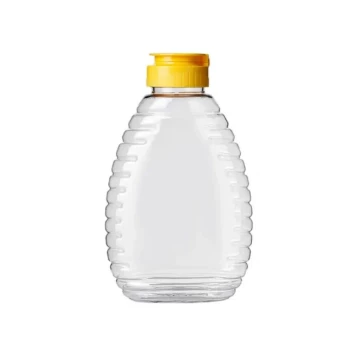
To optimally preserve honey, store it at a stable room temperature between 65°F and 75°F, ensuring it is kept away from direct sunlight. The most effective packaging solutions utilize opaque containers or colored glass to filter out UV rays, combined with high-performance airtight seals to prevent moisture absorption and subsequent fermentation.
Core Takeaway Honey is naturally shelf-stable, but its quality degrades rapidly when exposed to heat, light, and humidity. The gold standard for preservation is a "cool, dark, and dry" environment, reinforced by packaging that acts as a physical barrier against UV radiation and atmospheric moisture.
Environmental Control Factors
Temperature Regulation
Strict adherence to a temperature range of 65°F to 75°F is critical. Storing honey within this window is the primary defense against spoilage.
Excessive heat can alter the chemical composition of the honey. Specifically, high temperatures significantly increase the risk of fermentation, which ruins the flavor and quality of the product.
Managing Light Exposure
You must keep honey out of direct sunlight. Ultraviolet (UV) rays are capable of penetrating clear containers and causing the degradation of the honey's nutritional and sensory properties.
The Functional Role of Packaging
UV Filtration
Packaging is not just a vessel; it is a shield. To prevent UV degradation, opaque containers or colored glass are the superior choices.
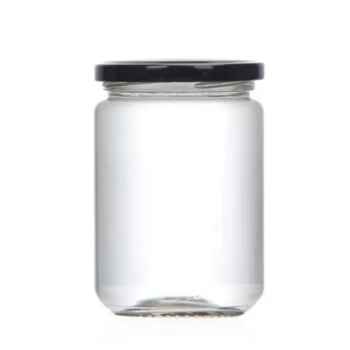
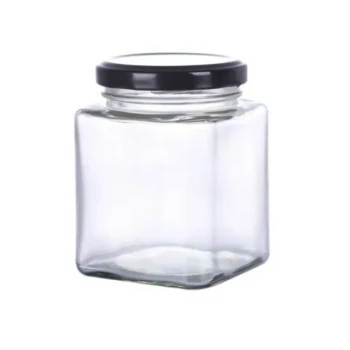
These materials filter out harmful light rays before they reach the honey. While clear glass is popular for aesthetics, it offers no protection against the photo-degradation caused by sunlight exposure.
The Moisture Barrier
Honey is hygroscopic, meaning it naturally absorbs moisture from the air. Specialized packaging with hermetic sealing is essential to stop this process.
If honey absorbs too much environmental moisture, the water content rises, creating conditions that allow yeast to thrive. This leads directly to fermentation and spoilage.
Material Stability and Hygiene
Industrial-grade glass jars and high-quality sealed containers offer superior chemical stability compared to simple plastic or clay. These materials prevent the honey from absorbing external odors or interacting with the container itself.
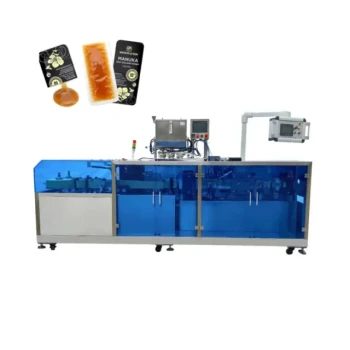
Furthermore, automated filling and high-performance sealing caps ensure the product remains free from secondary contamination. A proper seal blocks environmental contaminants, maintaining the honey's purity from the apiary to the pantry.
Common Pitfalls and Trade-offs
Visibility vs. Protection
There is a conflict between marketing and preservation. Producers often prefer clear jars to showcase the honey's color and texture to consumers.
However, choosing clear packaging sacrifices protection for visual appeal. If you choose clear glass, the burden of UV protection shifts entirely to the storage location (e.g., a dark cupboard).
Seal Integrity After Opening
While industrial sealing prevents oxidation and leakage during transport, the seal is broken upon first use.
Once opened, the preservation quality depends entirely on the user's ability to reseal the container tightly. A compromised lid allows air and moisture ingress, negating the benefits of the original high-performance packaging.
Making the Right Choice for Your Goal
Whether you are a producer packaging honey or a consumer storing it, apply these principles:
- If your primary focus is long-term storage: Prioritize opaque or dark-colored glass containers to eliminate the risk of UV degradation.
- If your primary focus is preventing spoilage: Ensure the lid provides a hermetic, airtight seal to prevent moisture absorption and fermentation.
- If your primary focus is commercial retail: Balance shelf appeal with protection by using UV-blocking materials or advising consumers to store the clear product in darkness.
Quality preservation is ultimately about limiting the variables of heat, light, and air to maintain the honey's natural stability.
Summary Table:
| Factor | Ideal Condition | Packaging Requirement |
|---|---|---|
| Temperature | 65°F - 75°F (Room Temp) | Insulated or stable material |
| Light | Dark, away from sunlight | Opaque or colored glass |
| Moisture | Low humidity environment | Hermetic/Airtight sealing |
| Stability | Chemical resistance | Industrial-grade glass/High-quality plastic |
Elevate Your Honey Production with HONESTBEE
At HONESTBEE, we understand that premium honey deserves premium protection. We provide commercial apiaries and distributors with high-performance honey-filling machines and specialized packaging equipment designed to ensure airtight seals and long-term freshness.
Whether you need industrial hardware or essential beekeeping consumables, our wholesale solutions are tailored to help you scale your operations efficiently. Contact us today to discover how our equipment can safeguard your honey quality and enhance your market value.
Related Products
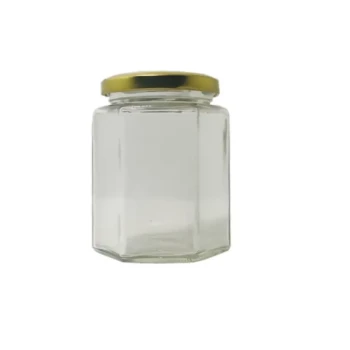
- Hexagonal Glass Honey Jars with Metal Lug Caps Elegant Versatile Packaging
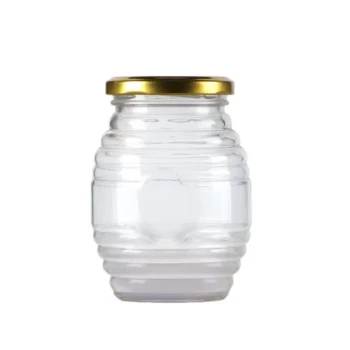
- Classic Glass Honey Jar with Metal Lug Cap for Beehive Storage
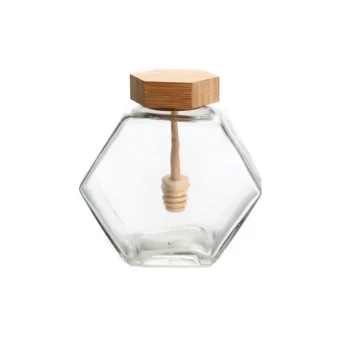
- Hexagonal Glass Honey Jar with Wooden Lid Integrated Dipper Elegant Functional Storage
- Food Grade Plastic Honey Bucket Pail for Beekeeping
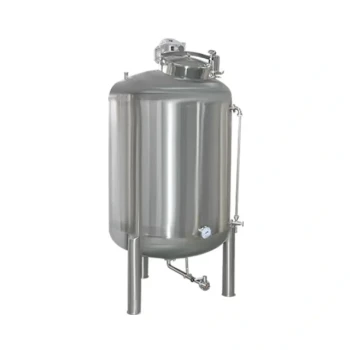
- Stainless Steel Honey Storage and Settling Tank with Double Strainer
People Also Ask
- What is the aesthetic appeal of using glass jars for honey? Elevate Your Brand with Premium Packaging
- What are the logistical challenges associated with using glass jars for honey packaging? Navigating Weight & Fragility
- What are the advantages of glass containers for honey? Elevate Quality and Market Value with Premium Packaging
- What are the technical advantages of using glass jars for honey? Master Commercial Packaging for Premium Purity
- What are the advantages of using glass jars for honey packaging? Preserve Purity & Elevate Your Brand