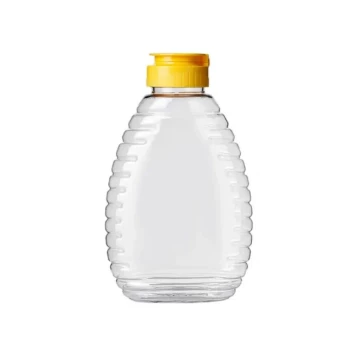
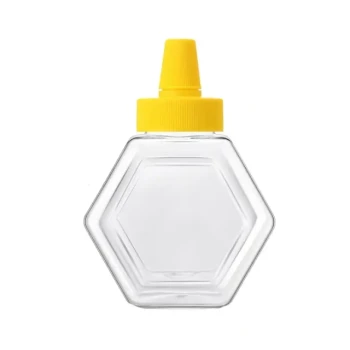
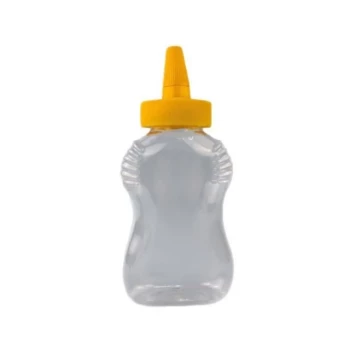
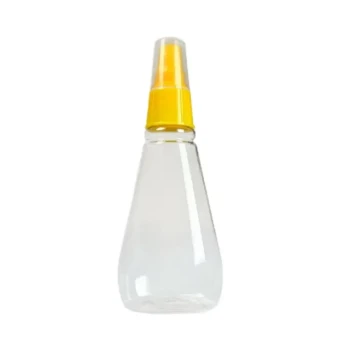
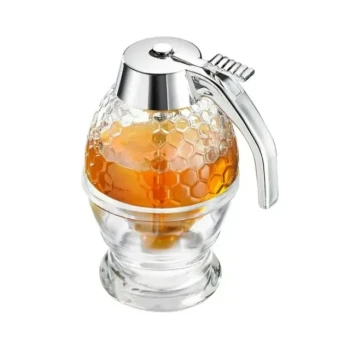
To ensure the longevity and quality of liquid honey, you must control the container material, temperature, and light exposure. The best practice is to store honey in clean, dry containers made of glass or food-grade plastic. These containers should be kept in a cool, dry environment—specifically between 65°F and 75°F—away from direct sunlight to preserve natural enzymes and flavor.
Core Takeaway To maximize shelf life and nutrient retention, store liquid honey in airtight, opaque or colored glass containers at a steady room temperature (65°F–75°F), strictly avoiding direct UV exposure and high heat.
Selecting the Optimal Container
Material Composition
Glass is the superior choice for long-term storage. It is non-reactive and ensures no external flavors are imparted to the honey over time. If glass is not feasible, high-quality food-grade plastic is an acceptable alternative.
Light Filtration
The packaging itself plays a critical role in preserving quality. Use opaque containers or colored glass to filter out harmful UV rays. Standard clear jars, while common, allow UV light to penetrate and degrade the honey's structure.
Hygiene and Moisture Control
Before filling, ensure the container is impeccably clean and completely dry. Even a small amount of residual water or contaminants can encourage fermentation and spoil the honey.
Controlling the Storage Environment
The Ideal Temperature Range
Maintain a storage environment at room temperature, ideally between 65°F and 75°F. This specific range is crucial for maintaining the liquid state and preventing texture changes.
Preventing Heat Damage
Avoid storing honey in areas subject to high temperatures. excessive heat can lead to fermentation and destroy the natural enzymes that give honey its nutritional value.
Avoiding Direct Sunlight
Store your containers in a dark location, such as a pantry or closed cupboard. Direct sunlight is a primary cause of nutrient degradation and flavor loss.
Understanding the Trade-offs
Visibility vs. Protection
Clear glass jars are popular because they allow you to inspect the honey's clarity and color. However, choosing clear glass sacrifices protection against UV radiation, making dark or opaque containers the better technical choice for quality preservation.
Durability vs. Purity
While glass offers the best flavor neutrality, it is heavy and fragile. Food-grade plastic offers durability and safety from breakage, but it may not provide the same level of impermeable, long-term flavor protection as glass.
Making the Right Choice for Your Goal
To apply these principles effectively, choose the method that aligns with your specific usage:
- If your primary focus is long-term preservation: Utilize colored glass jars stored in a dark, temperature-controlled pantry to offer the highest protection against UV rays and flavor leaching.
- If your primary focus is daily accessibility: Keep a smaller amount in a food-grade plastic or glass container in a kitchen cupboard, ensuring it stays dry and away from the heat of the stove.
By strictly managing light and temperature, you ensure your honey remains a high-quality, enzymatically active food source.
Summary Table:
| Storage Factor | Best Practice | Benefit |
|---|---|---|
| Container Material | Glass or Food-grade Plastic | Non-reactive, preserves pure flavor |
| Temperature | 65°F - 75°F (18°C - 24°C) | Prevents fermentation & texture changes |
| Light Exposure | Dark pantry or opaque glass | Protects enzymes and nutrients from UV |
| Moisture Control | Airtight, bone-dry containers | Stops yeast growth and spoilage |
Elevate Your Honey Quality with HONESTBEE
For commercial apiaries and distributors, maintaining product integrity is vital to your brand's reputation. At HONESTBEE, we empower beekeeping businesses by providing a comprehensive wholesale range of high-quality tools and machinery. From precision honey-filling machines that ensure hygienic packaging to professional-grade hive-making hardware, our portfolio is designed to help you implement industry best practices at scale.
Whether you are looking for essential consumables or sophisticated equipment to streamline your production, our team is ready to support your growth. Contact us today to discover how our specialized beekeeping solutions can optimize your operations and preserve the natural excellence of your honey.
Related Products
- Premium Diamond-Faceted Glass Honey Dispenser
- Economy Small Honey Filling Machine Honey Bottle Filler Packaging Machine
- Classic Honey Bear Jars with Flip Top Dispensing Cap for Liquid Sweeteners
- Small Honey Filling Machine Sachet Packing Equipment Single Nozzle
- Honey Convey Pump Economy Gear Pump for Viscous Liquid
People Also Ask
- How to clean a honey dripper? A Simple Guide to Preserve Your Tool's Quality
- What is the proper method for cleaning a honey dipper? Maintain Pure Flavor with These Easy Pro Tips
- What is a honey dipper? Master the Art of the Perfect Drizzle with This Essential Tool
- How do you clean and store a honey dipper? Simple Steps for Long-Lasting Performance
- What is a honey taking spoon called? Discover the Tool for a Perfect, Mess-Free Drizzle