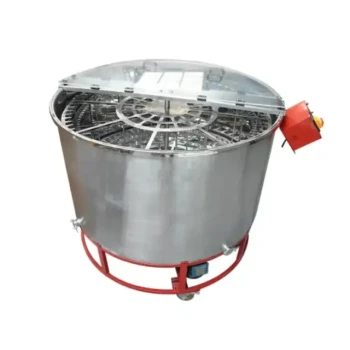
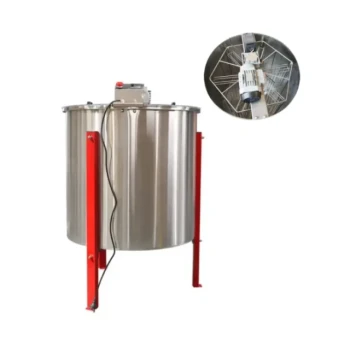
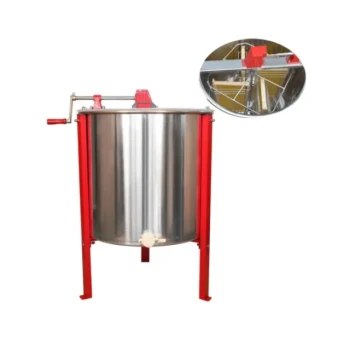
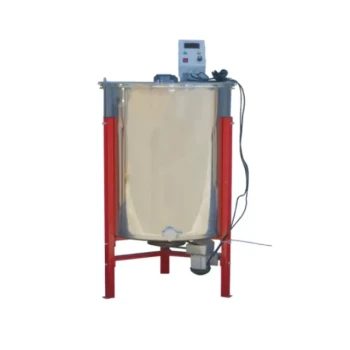
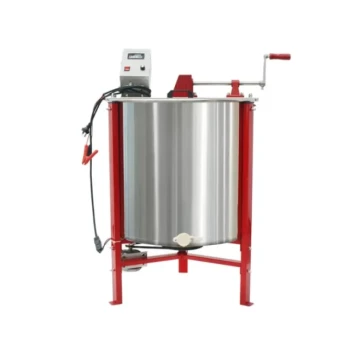
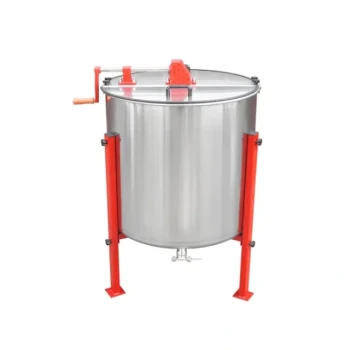
Best practices for using a honey extractor revolve around four critical steps: thorough uncapping, balanced loading, gradual speed management, and post-extraction filtering. To prevent damage to the delicate wax comb or the machine itself, you must ensure the extractor remains stable during rotation and that the centrifugal force is applied progressively.
Core Takeaway The most efficient extraction relies on physics, not force; prioritizing a balanced load and a gradual increase in speed ensures you harvest the honey without destroying the frames for future use.
Preparation and Uncapping
Clear the Frames
Before bringing frames to the extractor, use a bee brush to gently remove any lingering bees. This prevents contamination and ensures the safety of the bees during the process.
Proper Decapping
You must remove the wax cappings from the honeycomb cells to allow honey to flow. Use a sharp knife, ideally dipped in hot water, to slice off the caps cleanly.
Check for Ripeness
Do not attempt to extract honey from unripe or uncapped honeycombs. Ensure the frames are ready for harvest to maximize quality and prevent moisture issues.
Loading and Operation
Critical Balancing
Always load frames in a balanced manner. If you are extracting an odd number of frames, use a spacer or a similar-weight frame to distribute the weight evenly. An unbalanced load causes excessive vibration, which can damage the extractor’s legs or bearings.
Speed Control
Start the rotation gently and slowly. If using an electric model, control the speed carefully; initiating high speeds immediately will cause the heavy honey to break the comb (blowout) due to excessive centrifugal force.
The Two-Stage Spin
Spin the frames for approximately 5 to 6 minutes in one direction. Once the first side is drained, reverse the direction (or manually flip the frames if using a tangential extractor) to extract the remaining honey.
Post-Extraction and Maintenance
Filtering the Yield
Once extracted, the honey will contain small bits of wax and other debris. Run the honey through a filter into a clean bucket before bottling to remove these impurities.
Equipment Care
Clean the extractor thoroughly after use to prevent mold or pest attraction. Stainless steel models are preferred as they do not absorb odors and are rust-resistant.
Proper Storage
Store the machine in a cool, dry place with minimal foot traffic. Cover it with a sheet or plastic to protect it from dust and insects during the off-season.
Common Pitfalls to Avoid
Avoiding Comb Damage
The most common mistake is spinning too fast too soon. The weight of full honey cells pushes against the wax; if the force is too high before the honey drains, the comb will fracture.
Material Considerations
While plastic extractors exist, they are less durable than stainless steel. If possible, ensure your unit has stainless steel legs, as these provide better stabilization during the spinning process compared to weaker materials.
Making the Right Choice for Your Goal
To get the most out of your harvest, align your technique with your specific objectives:
- If your primary focus is Equipment Longevity: Prioritize perfect balancing of the frames every time you load the machine to spare the bearings and legs from stress.
- If your primary focus is Honey Quality: Ensure you filter the honey immediately after extraction and use stainless steel equipment to prevent flavor tainting.
- If your primary focus is Comb Preservation: Start your spin at the lowest possible speed and only increase it once the majority of the honey has drained.
Mastering the variable speed of your extractor is the single most important skill for preserving your drawn comb for next season.
Summary Table:
| Step | Action | Key Benefit |
|---|---|---|
| Preparation | Uncap with a hot knife & brush bees | Ensures clean honey & bee safety |
| Loading | Balance frames symmetrically | Prevents vibration & machine damage |
| Operation | Start slow, increase speed gradually | Prevents comb blowout (fracturing) |
| Spinning | Two-stage spin (reverse directions) | Maximizes honey recovery from both sides |
| Finishing | Filter honey & clean stainless steel | High purity & equipment longevity |
Maximize Your Harvest with HONESTBEE Professional Equipment
As a dedicated partner to commercial apiaries and distributors, HONESTBEE provides the heavy-duty machinery and precision tools required for high-volume success. Whether you are looking to upgrade to industrial honey-filling machines, source durable stainless steel extractors, or stock up on essential consumables, our wholesale solutions are designed for reliability and efficiency.
Why Choose HONESTBEE?
- Comprehensive Wholesale Range: From specialized hive-making hardware to honey-themed cultural merchandise.
- Industrial Strength: Our machinery is built to withstand the rigors of commercial honey production.
- Expert Support: We help you optimize your workflow with the right tools for your specific scale.
Ready to elevate your beekeeping business? Contact us today to explore our full catalog and wholesale pricing!
Related Products
- HONESTBEE 72 Frame Industrial Electric Honey Extractor for Beekeeping
- Commercial Electric 12 Frame Honey Extractor Spinner Motorized Honey Extractor
- HONESTBEE 6 Frame Self Reversing Electric Honey Extractor for Beekeeping
- HONESTBEE 3-Frame Manual Acrylic Honey Extractor
- Stainless Steel Manual 8 Frame Radial Honey Extractor Machine for Beehives
People Also Ask
- What is the importance of balancing honeycomb frames within a honey extractor? Ensure Stability and Protect Machinery
- How is honey separated from the frames after they are uncapped? Efficient Extraction Methods for High Yields
- What are the main benefits of using a honey extractor? Maximize Yields and Protect Your Honeycomb
- What are the recommended methods for removing honey from the honeycomb? Top Extraction Techniques for Maximum Efficiency
- How do manual honey extractors compare to electric honey extractors? Choosing the Right Tool for Your Apiary Growth