Stick pack leakage is almost always a result of three specific variables: improper pressure, incorrect temperature, or degraded hardware. To stop the leaks, you must methodically adjust your sealing pressure to ensure uniformity, calibrate the temperature to manufacturer specifications, and replace any sealer bars that show signs of wear or damage.
The integrity of a stick pack seal relies on a precise balance of heat, pressure, and equipment condition. If any one of these elements is off—even slightly—the seal will fail, necessitating immediate calibration or hardware replacement.
Optimizing Sealing Pressure
The Cause: Uneven Force Distribution
A hermetic seal requires uniform pressure across the entire sealing surface.
If the pressure is "poor" or uneven, the film layers will not bond completely. This creates weak points where the product can breach the seal, resulting in leakage.
The Solution: Mechanical Adjustment
You must adjust the sealing mechanism to apply consistent force.
Check the alignment of the jaws to ensure they meet flush. Modify the pressure settings to ensure the force is sufficient to bond the specific film material you are using.
Controlling Temperature Variables
The Cause: Thermal Instability
Sealing films have a specific temperature window required for activation.
If the temperature is "improper"—either too low to fuse the layers or too high, causing burn-through—the seal integrity will be compromised. This is a common source of intermittent leaks.
The Solution: Manufacturer Calibration
Do not guess the temperature settings.
Consult the recommendations provided by the machine or film manufacturer. Input these exact temperature parameters into your system to ensure the heat is optimized for the material.
Assessing Equipment Condition
The Cause: Physical Hardware Degradation
Sealer bars are consumables that wear down over time.
"Damaged and old sealer bars" cannot apply the necessary pressure or heat transfer evenly. Physical imperfections, such as nicks or warping, will directly transfer to the seal, creating gaps.
The Solution: Component Replacement
Inspect your sealer bars regularly for signs of age or damage.
If wear is detected, simply cleaning or adjusting them is insufficient. You must replace the old or damaged bars with new components to restore a leak-proof seal.
Common Pitfalls in Troubleshooting
Misdiagnosing the Root Cause
It is easy to mistake a hardware issue for a settings issue.
Do not attempt to compensate for a damaged sealer bar by cranking up the heat or pressure. This often leads to further damage without solving the leak.
Neglecting Routine Checks
Waiting for a leak to occur before inspecting sealer bars is inefficient.
Reactive maintenance leads to product waste. Regularly checking the condition of your bars allows you to replace them before leakage begins.
Executing a Permanent Fix
To resolve leakage effectively, you must isolate the variable responsible for the failure.
- If your primary focus is a quick resolution: Verify and adjust the temperature settings first, as this is the most common and easily corrected variable.
- If your primary focus is mechanical consistency: Check the pressure alignment to ensure the jaws are applying force evenly across the entire stick pack.
- If your primary focus is long-term prevention: Replace old sealer bars immediately to eliminate hardware degradation as a potential cause of failure.
By systematically addressing pressure, temperature, and hardware condition, you ensure a consistent, high-quality seal every time.
Summary Table:
| Cause of Leakage | Key Indicator | Primary Solution |
|---|---|---|
| Uneven Pressure | Weak points in bond | Align jaws & adjust mechanical force |
| Thermal Instability | Burn-through or no fusion | Calibrate to manufacturer temp specs |
| Hardware Degradation | Nicks, warping, or age | Replace worn-out sealer bars immediately |
| Poor Maintenance | Intermittent seal failure | Implement routine inspection schedules |
Maximize Your Packaging Efficiency with HONESTBEE
Don't let seal leakage disrupt your production line and waste valuable inventory. At HONESTBEE, we specialize in supporting commercial apiaries and distributors with high-performance honey-filling machines and precision beekeeping tools designed for durability and reliability.
Whether you need advanced machinery to ensure hermetic seals or a steady supply of industry consumables, we offer the comprehensive wholesale solutions your business demands. Let our expertise in hardware and specialized beekeeping equipment help you achieve consistent, leak-proof packaging results.
Ready to upgrade your operations? Contact us today to explore our full spectrum of equipment and tools!
Related Products
- Honey Stick Filler Vertical Paste Sachet Packing Machine for Honey Sachets
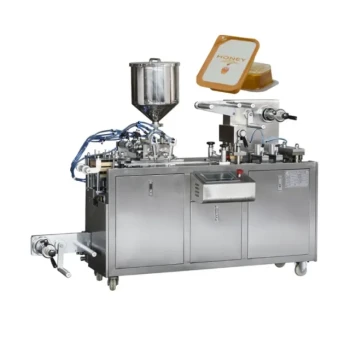
- Professional Durable Customizable Blister Packing Machine
- Precision Automated Packaging Turntable Honey Spoon Filling Sealing Packing Machine
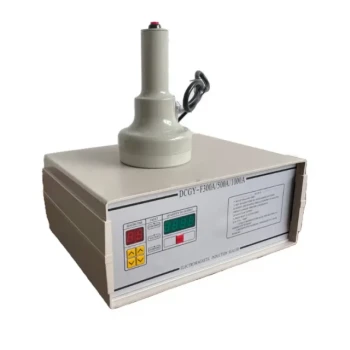
- Handheld Induction Sealing Machine for Tamper Evident Packaging
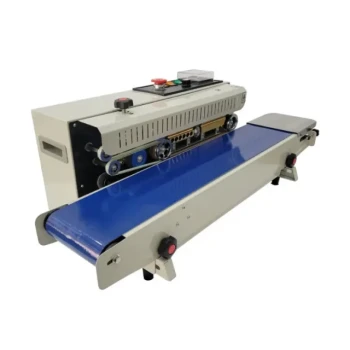
- Automatic Continuous Heat Sealing Machine
People Also Ask
- How do honey stick and honey sachet machines differ? Choose the Right Packaging for Your Honey
- What are the main functions of a honey sachet packing machine? Boost Efficiency with Automated Precision
- What are the advantages of honey sachet packing machines? Boost Efficiency & Unlock New Markets
- What types of filling and packing machines are available for different scales of honey production? Expert Solutions
- What is the working principle of a honey stick packing machine? Automate Your Honey Production Line