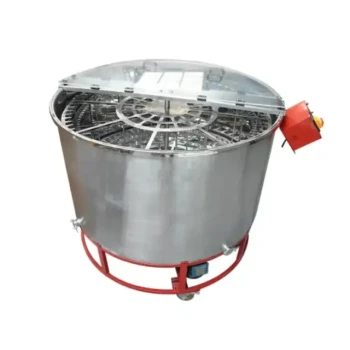
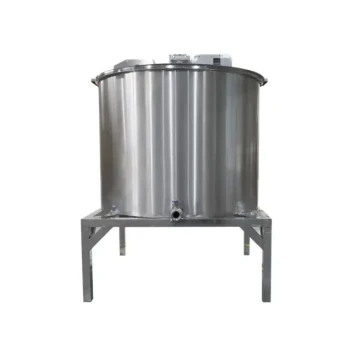
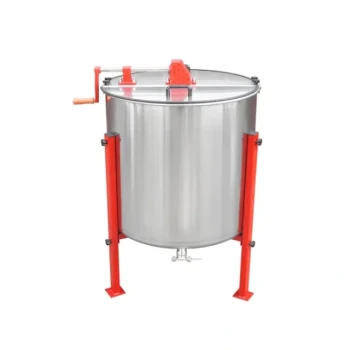
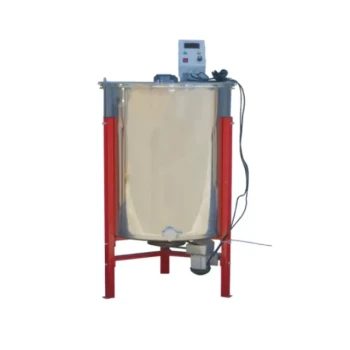
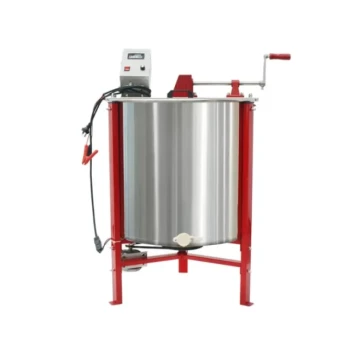
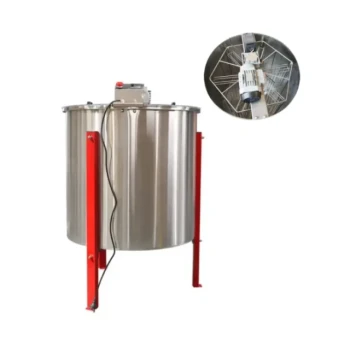
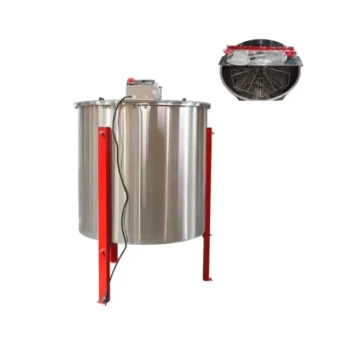
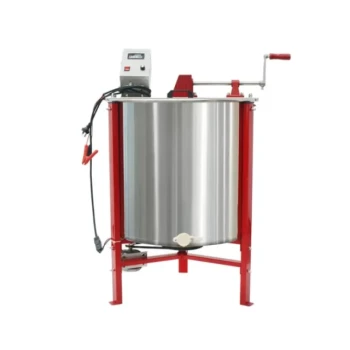
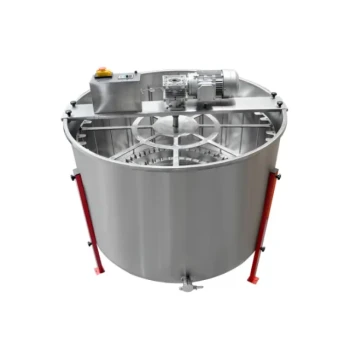
Diesel-powered honey extractors are defined by specific mechanical traits: they generally operate at lower revolutions per minute (RPM) while delivering significantly higher torque than their petrol-based counterparts. However, this mechanical robustness comes with a notable operational challenge: they are often difficult to start, particularly in cold environments.
Core Takeaway: While diesel engines provide substantial rotational force (torque) for heavy extraction loads, their operational reliability fluctuates with temperature. Beekeepers must weigh the benefit of high-torque performance against the practical difficulty of cold-starting the engine due to fuel viscosity issues.
Mechanical Performance and Operation
High Torque at Low RPMs
The defining performance characteristic of a diesel extractor is its power delivery. Unlike engines designed for high speed, these units produce high torque at lower RPMs.
This allows the extractor to maintain consistent rotational force even under heavy loads, distinguishing it from petrol counterparts that may rely on higher speeds to achieve similar results.
The Impact of Fuel Viscosity
The most significant operational constraint for diesel units is the fuel itself. Diesel fuel has a higher viscosity than petrol, meaning it is thicker and flows less easily.
This characteristic becomes problematic in lower temperatures. As the fuel thickens in the cold, it resists flowing through the engine's injection system, making the ignition process difficult.
Placing Diesel in the Extraction Ecosystem
Diesel vs. Electric and Manual Options
To understand the utility of a diesel extractor, it is helpful to compare it against common alternatives.
Manual extractors are designed for precision and small-scale control, typically handling 2 to 8 frames. They are ideal for hobbyists but lack the power for volume.
Electric extractors prioritize speed and efficiency. They are the standard for medium to large-scale operations where grid power is available and consistent throughput is required.
Diesel extractors sit apart from these categories. They offer heavy-duty torque similar to industrial equipment but do not require an electrical outlet, making them potentially useful for remote, high-load operations despite their lower speed.
Understanding the Trade-offs
The Cold Weather Limitation
The primary disadvantage of choosing diesel is starting difficulty in winter conditions.
If your extraction facility is unheated or you process honey during colder months, the increased viscosity of the diesel fuel can lead to significant downtime while trying to get the engine running.
Speed vs. Force
While you gain torque with diesel, you generally sacrifice the higher RPMs found in petrol models or the seamless efficiency of modern electric motors.
This means the extraction process relies on "grunt" rather than speed, which may alter how quickly you can process frames compared to electric alternatives.
Making the Right Choice for Your Operation
Choosing the correct power source depends entirely on your scale and access to resources.
- If your primary focus is off-grid power and torque: Diesel is a viable option, provided you have a strategy for keeping the engine and fuel warm to ensure reliable starting.
- If your primary focus is efficiency and speed: Electric extractors are superior for medium-to-large operations, offering a faster and more reliable extraction process.
- If your primary focus is low cost and simplicity: Manual extractors remain the best choice for hobbyists or those managing a small number of hives.
Select the extractor that balances your need for power with the environmental realities of your workspace.
Summary Table:
| Feature | Diesel-Powered Extractors | Electric Extractors | Manual Extractors |
|---|---|---|---|
| Core Strength | High Torque / Low RPM | High Speed / Efficiency | Precision / Simplicity |
| Power Source | Diesel Fuel (Off-grid) | Electrical Grid/Generator | Manual Labor |
| Best For | Heavy loads, remote sites | Commercial/Industrial use | Hobbyists (2-8 frames) |
| Main Weakness | Difficult cold starts | Requires power source | Low throughput |
| Environment | Best in warm climates | Indoor/Controlled settings | Any small-scale setup |
Scale Your Honey Production with HONESTBEE
Are you looking to optimize your commercial honey processing? HONESTBEE specializes in supporting commercial apiaries and distributors with high-performance beekeeping machinery. Whether you need the heavy-duty torque of specialized extraction equipment or the seamless efficiency of industrial honey-filling and hive-making machines, we provide the full spectrum of wholesale tools and consumables to grow your business.
Why partner with HONESTBEE?
- Comprehensive Range: From hardware to honey-themed cultural merchandise.
- Industry Expertise: Tailored solutions for high-volume distributors.
- Global Support: Reliable supply chains for all your beekeeping essentials.
Ready to upgrade your operation? Contact us today to explore our wholesale catalog and see how we can drive your success!
Related Products
- Commercial Electric 12 Frame Honey Extractor Spinner Motorized Honey Extractor
- HONESTBEE 72 Frame Industrial Electric Honey Extractor for Beekeeping
- 10L Stainless Steel Electric Honey Press Machine
- 32 Frame Commercial Electric Honey Extractor for Beekeeping and Honey Production
- 6 Frame Manual Stainless Steel Honey Extractor Beekeeping Equipment
People Also Ask
- Who are commercial honey extractors designed for? Scaling Your Industrial Beekeeping Success
- What is a commercial honey extractor? The Essential High-Volume Solution for Large Apiaries
- How is honey extracted commercially? Maximize Your Apiary's Efficiency and Honey Yield
- What are commercial honey extractors used for? Boost Your Apiary's Efficiency & Profitability
- What are the advantages of motorized extractors? Boost Honey Production and Save Time