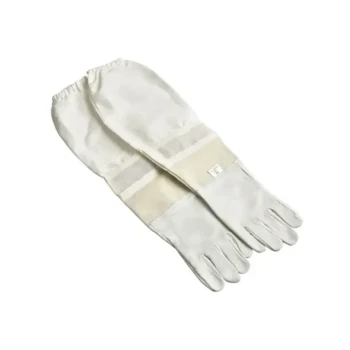
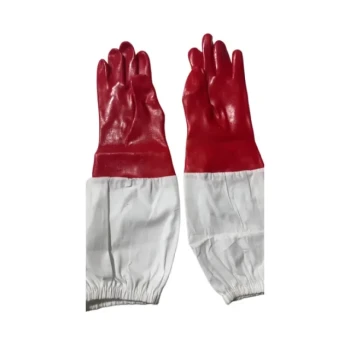
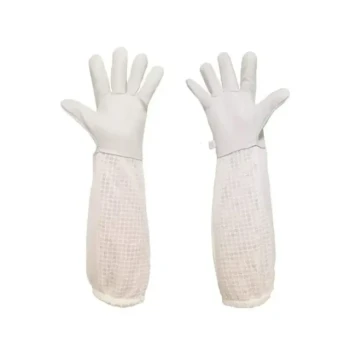
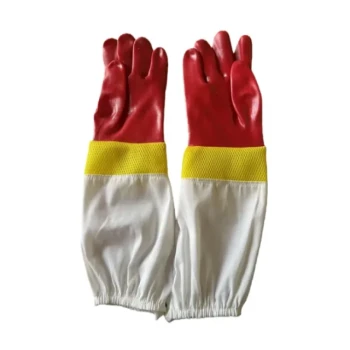
Leather gloves represent the heavy-duty standard for beekeeping hand protection. They are defined by their substantial thickness compared to nitrile or latex alternatives, providing superior defense against stings at the specific cost of reduced tactile sensitivity.
Core Takeaway Leather gloves offer the highest tier of protection against stings and physical hazards like wood splinters. However, this safety comes with a significant reduction in dexterity, requiring you to balance your need for confidence with the ability to perform fine motor tasks.
The Protective Advantage
Maximum Sting Resistance
The primary characteristic of leather gloves is their thickness. Whether made from cowhide or goatskin, the material creates a dense barrier that is far more difficult for a bee stinger to penetrate than synthetic options like nitrile or latex.
Durability and Mechanical Protection
Beyond stings, leather is valued for its mechanical toughness. It protects your hands from wood splinters and rough edges on hive boxes, lasting significantly longer than disposable or thin cloth alternatives.
Extended Coverage
Proper leather beekeeping gloves feature long gauntlets that extend up the forearm to the elbow. This design secures the gap between your hand and your suit, preventing bees from crawling inside your clothing.
Material Types and Fit
Cowhide vs. Goatskin
Not all leather gloves offer the same experience. Cowhide is typically the thickest option available, maximizing protection but offering the least flexibility. Goatskin is often softer and more pliable, offering a middle ground for those needing slightly more movement.
The Necessity of a Snug Fit
While beekeeping suits are generally designed to be roomy, leather gloves must fit snugly. A loose glove can slide off the wrist or bunch up during hive inspections, creating gaps for bees to enter or causing clumsiness.
Ventilation Options
To combat the natural lack of breathability in leather, many modern designs incorporate ventilated mesh panels near the wrist or gauntlet. This allows for airflow in hot climates, though it introduces a potential weak point for stings in the mesh area.
Understanding the Trade-offs
The Dexterity Penalty
The most critical downside to leather is the loss of dexterity. The thickness that prevents stings also isolates your fingers from the hive components, making it difficult to feel the texture of frames or handle bees gently without crushing them.
Stiffness and Break-in Period
Leather is organic and often arrives stiff and unyielding. It requires a break-in period to conform to your hand shape, and it can become uncomfortable or rigid again if it gets wet and dries improperly.
Heat Retention
Solid leather does not breathe well. In high temperatures, unventilated leather gloves can become uncomfortably hot and sweaty, which can distract you during long inspections.
Making the Right Choice for Your Goal
To select the right gear, assess your comfort level with bees and the specific demands of your apiary.
- If your primary focus is maximum safety: Choose Cowhide leather gloves, as they offer the thickest barrier against stings and are ideal for beginners building confidence.
- If your primary focus is balance: Choose Goatskin leather, which provides robust protection but is generally more pliable and easier to move in than cowhide.
- If your primary focus is comfort in heat: Choose Ventilated leather gloves, but remain aware that the mesh areas offer less sting protection than solid leather.
Select the tool that gives you the confidence to work calmly, as calm movements are the best protection of all.
Summary Table:
| Feature | Cowhide Leather | Goatskin Leather | Ventilated Mesh Hybrid |
|---|---|---|---|
| Protection Level | Maximum (Thickest) | High (Pliable) | High (Leather) / Lower (Mesh) |
| Dexterity | Low | Moderate | Moderate |
| Durability | Excellent | Very Good | Good |
| Breathability | Low | Low to Moderate | High |
| Best For | Beginners & Aggressive Hives | Professional Balance | Hot Climates |
Secure Your Apiary with Premium Protection
At HONESTBEE, we understand that confidence in the apiary starts with the right gear. As a dedicated partner to commercial apiaries and distributors, we provide a comprehensive wholesale range of high-quality leather beekeeping gloves—from rugged cowhide to supple goatskin—alongside our full spectrum of beekeeping machinery, tools, and hive-making equipment.
Whether you are scaling your commercial operations or stocking your distribution business, our professional-grade hardware and industry consumables are designed to meet the highest standards of durability and safety.
Ready to elevate your beekeeping standards? Contact us today to discuss our wholesale offerings and discover how HONESTBEE can support your business growth with premium tools and honey-themed cultural merchandise.
Related Products
- Goatskin Leather Beekeeper Gloves with Vent Long Sleeve for Beekeeping Honey Bee Sting Proof Protection
- Beekeeping Gloves Goatskin Leather with Long Cotton Sleeve for Beekeepers
- Goat Skin Leather Bee Sting Proof Beekeeping Gloves with Canvas Sleeve
- Heavy Duty Red Rubber Beekeeping Gloves with Extended Pure Cotton Sleeves for Beekeepers
- Premium Ventilated Goatskin Beekeeping Gloves with Full 3-Layer Mesh Sleeve
People Also Ask
- What are the characteristics of goatskin beekeeping gloves? Enhance Dexterity and Protection in Your Apiary
- Why is it important to have gloves available even if not always worn? Essential Risk Management for Beekeepers
- What are the primary purposes of using beekeeping gloves? Protect Your Hands and Ensure Apiary Hygiene
- Why do some experienced beekeepers opt not to wear gloves? Discover the Benefits of Tactile Precision
- Why is it important for beekeepers to wear gloves? Essential Safety and Confidence for Hive Management