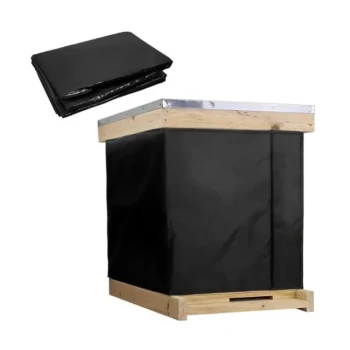
Polystyrene is defined by its superior insulation capabilities regarding thermal resistance, weight, and cost-effectiveness. It is a lightweight, affordable material that is easy for beekeepers to handle, though these practical benefits are counterbalanced by its potential to degrade over time and its lower environmental sustainability compared to natural alternatives.
Polystyrene offers a distinct performance advantage by providing high-density thermal protection that can significantly improve colony survival, but it requires accepting a trade-off regarding long-term durability and environmental impact.
The Thermal Advantage
The primary reason beekeepers choose polystyrene is its exceptional ability to regulate internal hive temperatures.
Superior R-Value
Polystyrene, particularly High-Density Expanded Polystyrene (EPS), acts as a powerful barrier against thermal transfer.
While traditional wooden hives typically offer an insulation value of around R1, polystyrene hives can achieve values up to R8.
Year-Round Temperature Regulation
This high level of insulation—up to 8 times that of wood—does more than just keep bees warm.
It creates a stable environment that protects the colony from the extreme cold of winter, potentially increasing survival rates.
Crucially, it also shields the hive from external heat interference during harsh summers, preventing overheating.
Energy Efficiency and Heat Direction
Polystyrene foam boxes are effective at environmental isolation.
They prevent the heat generated by the colony (or supplemental heating lamps) from dissipating into the surrounding air.
This concentrates thermal energy where it is needed—often toward the bottom of the hive—ensuring local temperature stability in the brood zone.
Practical Handling and Cost
Beyond thermal physics, polystyrene offers tangible benefits for the day-to-day management of an apiary.
Reduced Weight Load
Polystyrene is significantly lighter than wood.
This characteristic makes hives easier to lift, move, and stack, reducing the physical strain on the beekeeper during inspections or transport.
Economic Accessibility
The material is generally affordable compared to some specialized natural insulators.
Its low cost combined with ease of use makes it an accessible entry point for beekeepers looking to upgrade their insulation systems without a massive capital investment.
Understanding the Trade-offs
While the immediate performance metrics of polystyrene are high, there are distinct disadvantages regarding longevity and ecology.
Susceptibility to Degradation
Unlike wood, which can age gracefully or be easily repaired, polystyrene may degrade over time.
Physical wear and tear, along with exposure to the elements, can compromise the structural integrity of the material faster than robust natural options.
Environmental Impact
Polystyrene is a synthetic plastic product.
It is considered less sustainable than materials like wood fiber, which can be sourced from managed forests.
Beekeepers prioritizing eco-friendly or organic certification standards often avoid polystyrene due to disposal concerns and its non-biodegradable nature.
Making the Right Choice for Your Goal
The decision to use polystyrene depends on whether you prioritize colony survival rates or environmental footprint.
- If your primary focus is Colony Survival: Polystyrene (specifically High-Density EPS) is the superior choice for harsh climates, offering up to 8 times the insulation of wood to minimize winter losses.
- If your primary focus is Sustainability: You should opt for wood or wood fiber insulation, accepting a lower R-value in exchange for a biodegradable, eco-friendly material.
- If your primary focus is Ergonomics: Polystyrene is the ideal option for reducing physical strain due to its lightweight construction and ease of handling.
Select the material that solves your apiary's specific climate challenges while aligning with your long-term management philosophy.
Summary Table:
| Feature | Polystyrene Characteristics | Impact on Beekeeping |
|---|---|---|
| Thermal Resistance | High R-Value (up to R8) | 8x better insulation than wood; stabilizes brood zone |
| Weight | Ultra-lightweight | Easier lifting, stacking, and transport for apiary workers |
| Cost | Low-cost & Accessible | Affordable entry point for commercial insulation upgrades |
| Durability | Prone to degradation | Lower long-term structural integrity compared to wood |
| Sustainability | Synthetic plastic | Non-biodegradable; requires careful disposal/recycling |
Scale Your Apiary Operations with HONESTBEE
Looking to optimize your honey production and hive management? HONESTBEE specializes in serving commercial apiaries and distributors with a comprehensive wholesale catalog.
We provide everything you need to succeed in the modern industry:
- Specialized Machinery: High-efficiency hive-making and honey-filling machines.
- Professional Tools: A full spectrum of durable beekeeping equipment.
- Consumables: A wide array of essential industry supplies to keep your operations running smoothly.
- Cultural Merchandise: Unique honey-themed products for your retail needs.
Whether you are upgrading your insulation systems or expanding your distribution network, HONESTBEE delivers quality at scale.
Contact us today to explore our wholesale solutions!
Related Products
- Professional Insulated Plastic Bee Hives
- Professional Insulated Winter Hive Wrap for Beekeeping
- Inner Beehive Cover for Beekeeping Bee Hive Inner Cover
- Durable Plastic Interlocking Hive Connector for Beekeeping
- Styrofoam Mini Mating Nuc Box with Frames Feeder Styrofoam Bee Hives 3 Frame Nuc Box
People Also Ask
- What are the advantages of plastic bee hives? Boost Efficiency & Durability for Your Apiary
- Are plastic bee hives any good? Unlock Durability & Efficiency for Your Apiary
- How do plastic bee hives compare to wooden hives in handling? Reduce Strain & Boost Efficiency
- Are plastic bee hives good? Durable, Low-Maintenance Hives for Modern Apiaries
- What are the disadvantages of plastic beehives? Key Operational and Environmental Risks Exposed