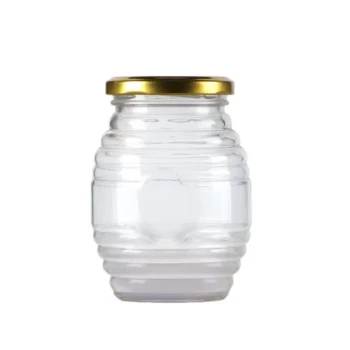
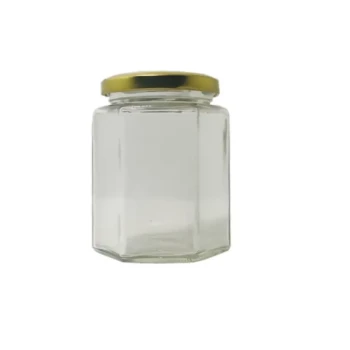
The integrity of a honey jar seal is fundamentally compromised by a combination of mechanical mismatches, material defects, and environmental inconsistencies. The most frequent issues include improper physical closure that fails to be airtight, incompatibility between the lid and the jar, and the use of defective gaskets or low-quality materials. Furthermore, fluctuations in temperature and a lack of cleanliness during the packaging process can prevent a secure seal from forming.
A compromised seal is rarely a random occurrence; it is the result of specific mechanical failures or process oversights. Ensuring a perfect airtight closure requires strict attention to component compatibility, temperature stability, and the absolute cleanliness of the sealing surface.
Mechanical and Component Causes of Failure
To solve the problem of leaking or spoiled honey, you must first verify the physical components of your packaging.
Improper Sealing Mechanics
The primary function of a lid is to create a perfect airtight closure. If the capping machinery is not calibrated correctly, or if manual torque is inconsistent, the lid may not seat properly against the jar. This failure allows air to enter and honey to leak out, immediately compromising the product.
Lid Incompatibility
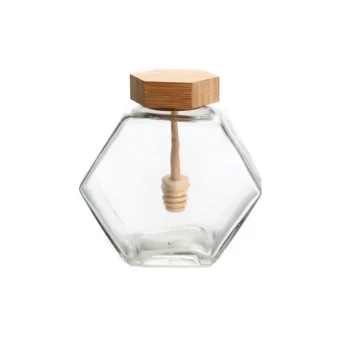
Using a lid that does not strictly match the jar's threading or neck size is a frequent cause of failure. Lid incompatibility prevents the necessary friction and pressure required for a secure seal. Even a microscopic mismatch in tolerance can lead to significant leaks during transport or storage.
Defective Sealing Materials
The quality of the seal is only as good as the materials used. Damaged gaskets inside the lid or poor-quality plastic and metal can warp or degrade under pressure. Inspect all inventory for manufacturing defects before the bottling process begins.
Environmental and Process Factors
Beyond the hardware, the environment and the cleanliness of your workflow play a decisive role in seal integrity.
Temperature Sensitivity
The sealing process is highly sensitive to temperature fluctuations. Extreme changes in heat or cold can cause materials to expand or contract at different rates, loosening an established seal. Maintaining a stable ambient temperature during bottling and storage is essential for consistency.
Compromised Cleanliness
A seal cannot form over a barrier of dirt or debris. Pre-packaging cleaning is vital to ensure jars are free of manufacturing residues or dust before they are filled. Any foreign matter on the rim will create a gap in the seal.
Honey Residue Interference
Honey is viscous and sticky, making it easy to trap between the jar rim and the lid. Post-packaging cleaning must involve wiping down the exterior and the rim of filled jars before the lid is applied. If honey residue remains on the sealing surface, it acts as a contaminant that prevents the gasket from making full contact.
Common Pitfalls to Avoid
Understanding the trade-offs in your packaging process is critical to preventing systemic failures.
Ignoring the "Rim Wipe" for Speed
In high-volume bottling, there is a temptation to skip wiping the jar rim to increase throughput. This is a critical error; residue on the rim is a leading cause of slow leaks that only appear after the product has shipped. The trade-off of saving seconds during packing often results in lost inventory later.
Prioritizing Cost Over Material Quality
Opting for cheaper, lower-quality lids may reduce upfront costs, but it increases the risk of defective sealing materials. Low-grade gaskets often lack the resilience to maintain an airtight seal over long periods. Invest in lids with proven compatibility and high-quality liners to avoid reputation-damaging leaks.
Ensuring Seal Integrity for Your Product
To eliminate sealing failures, you must align your components and your process.
- If your primary focus is Equipment Reliability: Calibrate your capping machinery to ensure consistent torque and verify that lids are strictly compatible with your specific jar type.
- If your primary focus is Process Hygiene: Implement a rigorous two-step cleaning protocol that removes residue before filling and wipes the sealing surface clean immediately before capping.
Consistency in materials and cleanliness is the only path to a secure, professional product.
Summary Table:
| Failure Category | Key Cause | Impact on Seal |
|---|---|---|
| Mechanical | Improper Capping Torque | Prevents airtight closure; leads to leaks |
| Components | Lid/Jar Incompatibility | Microscopic gaps prevent secure threading |
| Materials | Defective Gaskets | Warped or low-quality liners fail to hold pressure |
| Environment | Temperature Fluctuations | Material expansion/contraction loosens the seal |
| Cleanliness | Honey Residue on Rim | Acts as a contaminant preventing gasket contact |
Secure Your Harvest with HONESTBEE Professional Packaging Solutions
A compromised seal means lost revenue and damaged reputation. At HONESTBEE, we specialize in helping commercial apiaries and distributors eliminate packaging failures with our premium wholesale range.
Why partner with HONESTBEE?
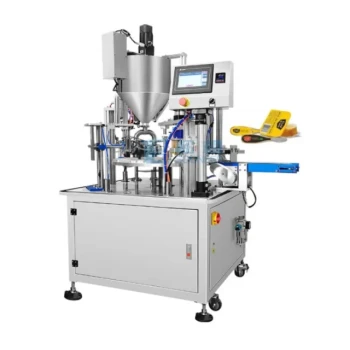
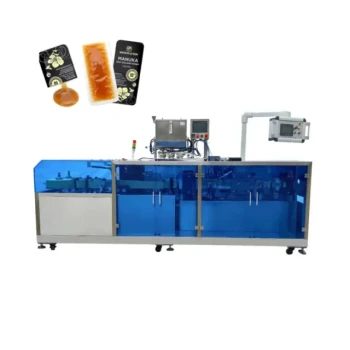
- Precision Engineering: High-performance honey-filling and capping machinery for consistent torque.
- Complete Supply Chain: From specialized beekeeping tools to high-quality jars and industrial-grade lids.
- Industry Expertise: We supply the full spectrum of hardware and essential consumables designed for the rigors of large-scale honey production.
Don't let poor seals ruin your product quality. Contact our experts today to upgrade your bottling line and protect your honey with the best equipment in the industry.
Related Products
- Precision Automated Packaging Turntable Honey Spoon Filling Sealing Packing Machine
- Precision Durable Efficient HONESTBEE Rotary Honey Filling Machine
- Automatic Single-Dose Snap & Squeeze Honey Sachets Packing Machine
- Commercial Rotary Honey Filling Machine for Production
- Honey Stick Filler Vertical Paste Sachet Packing Machine for Honey Sachets
People Also Ask
- Why is the use of professional filling and sealing packaging machinery necessary for the production of high-value honey?
- What role do automated filling and packaging machines play in the honey supply chain? Scale Your Retail Distribution
- What are the benefits of automated honey filling and packaging? Scale Your Apiary with Industrial Precision
- What role do professional automated filling and packaging machines play in honey processing? Boost Efficiency & Value
- How do automated honey filling and packaging machines contribute to the market value of honey products? Maximize Your ROI