The integration of automated hive-making and honey-filling machinery represents the critical pivot from traditional manual apiary management to industrial-scale manufacturing. These technologies drive commercial success by ensuring structural interchangeability across equipment and delivering high-precision, hygienic product bottling. By adopting this automation, apiaries can standardize production quality, significantly reduce labor overhead, and secure the consistency required for broad retail distribution.
Core Takeaway Automating apiary operations is not merely about speed; it is about achieving the standardization and sanitary precision necessary to scale. This transition enables operations to manage 150+ colonies efficiently while meeting the strict consistency demands of the modern commercial market.
The Strategic Value of Hive-Making Automation
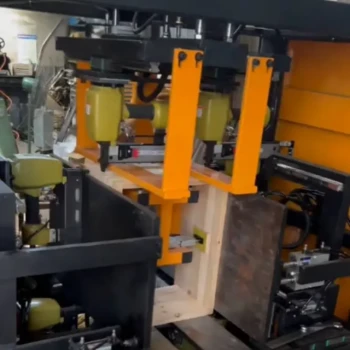
In commercial operations, the woodenware used to house bees is no longer just a container; it is a standardized industrial component. Automated hive-making machines provide the structural foundation for scaling up.
Achieving Structural Interchangeability
Manual hive construction often leads to slight variances in dimensions. Automated machinery ensures that every hive body and frame is produced to exact physical specifications.
This interchangeability is vital. It allows beekeepers to swap components between thousands of hives without fitting issues, streamlining inventory management and reducing equipment waste.
Enforcing Bee Space Standards
The concept of "bee space" is fundamental to colony health and management. Industrial hive-making machines strictly adhere to these specific standards during production.
By maintaining precise internal dimensions, you minimize the bees' tendency to build burr comb (unwanted wax bridges). This reduction in irregularities facilitates faster inspections and minimizes disturbances to the colony during maintenance.
Enabling Mechanized Scalability
Standardization is the prerequisite for mechanization. When all hives are identical, the entire workflow—from inspection to honey extraction—can be streamlined.
This consistency allows operations to transition from small-scale traditional methods to specialized management capable of handling 150 or more colonies effectively. It directly boosts labor productivity by removing the friction caused by irregular equipment.
The Commercial Impact of Automated Honey Filling
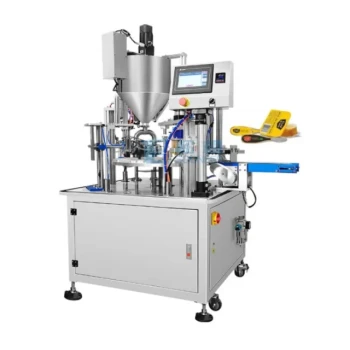
Once harvest occurs, the focus shifts to processing. Automated filling machines are the primary drivers of efficiency and brand reputation in the bottling phase.
Precision and Weight Consistency
Manual bottling is prone to human error, leading to variances in net weight. Industrial-grade filling machines utilize high-precision quantitative filling technologies.
This automation guarantees that every jar contains the exact volume of product required. Consistency in net product weight is critical for regulatory compliance and building consumer trust in retail environments.
Elevating Hygiene Standards
As production scales, maintaining sanitary conditions becomes exponentially more difficult with manual labor. Automated machines significantly reduce human contact with the final product.
By establishing a "touchless" bottling process, you enhance the hygiene control levels of the production line. This is often a non-negotiable requirement for entering wholesale channels and distributing to major retailers.
Market Responsiveness
Speed is a competitive advantage. Automated filling equipment drastically increases overall output compared to manual methods.
This high-throughput capability allows apiaries to respond rapidly to market demands, fulfilling large orders quickly without compromising the rigorous hygiene or weight standards expected by the market.
Understanding the Operational Trade-offs
While the advantages are clear, transitioning to automation introduces new variables that must be managed to ensure a return on investment.
The Necessity of Volume
Automation is designed for volume. The efficiency gains discussed here are realized primarily when an operation reaches a critical mass (e.g., managing 150+ colonies).
For smaller operations, the capital expenditure may outweigh the labor savings. The machinery demands a constant flow of input—either lumber for hives or bulk honey for filling—to justify its presence on the production floor.
Shift in Skill Requirements
Moving to industrial manufacturing changes the nature of the work. The focus shifts partially from biological management of bees to the technical maintenance of machinery.
Operators must be trained to manage these high-precision tools. A lack of technical proficiency in maintaining these machines can lead to downtime that negates the efficiency gains of automation.
Making the Right Choice for Your Goal
To determine if this level of automation suits your current operational stage, evaluate your primary business objectives.
- If your primary focus is Rapid Scaling: Prioritize hive-making automation to create the standardized infrastructure needed to manage hundreds of colonies with minimal labor.
- If your primary focus is Retail Distribution: Prioritize automated honey-filling to ensure the precise net weights and strict hygiene certification required by grocery chains and wholesalers.
- If your primary focus is Labor Reduction: Implement both technologies to transition from a labor-intensive craft model to a streamlined industrial manufacturing workflow.
True modernization in beekeeping occurs when you stop treating equipment as variable tools and start treating them as precision assets that guarantee operational consistency.
Summary Table:
| Feature | Automated Hive-Making | Automated Honey-Filling |
|---|---|---|
| Core Benefit | Structural Interchangeability | High-Precision Weight Consistency |
| Operational Impact | Enforces Bee Space & Reduces Burr Comb | Touchless Hygienic Processing |
| Scalability | Essential for 150+ Colonies | Rapid Throughput for Retail Demand |
| Market Advantage | Reduced Equipment Waste | Regulatory Compliance & Brand Trust |
Modernize Your Beekeeping Operation with HONESTBEE
Transitioning from manual labor to industrial-scale manufacturing is the key to sustainable growth. At HONESTBEE, we empower commercial apiaries and distributors with the specialized infrastructure needed to dominate the market. Our comprehensive wholesale offering includes:
- High-Precision Machinery: From automated hive-making to honey-filling machines that ensure standardization.
- Full-Spectrum Equipment: A complete range of beekeeping tools, hardware, and essential consumables.
- Niche Merchandise: Honey-themed cultural products to diversify your retail brand.
Whether you are looking to scale your colony count or enter major retail channels, our expertise ensures you have the right tools for the job.
Contact HONESTBEE today to optimize your production line!
References
- Ahmed Mohamed Essayah, Olusola Bamisile. Community Perception on Honeybee and Beekeeping Practices and Constraints in Tripoli. DOI: 10.17485/ijst/2019/v12i12/142482
This article is also based on technical information from HonestBee Knowledge Base .
Related Products
- Automatic Honey Filling and Filtering Machine for Beekeeping Bottle Filling
- Fully Automatic Honey Filling Packaging Machine for Processing Line
- Precision Durable Efficient HONESTBEE Rotary Honey Filling Machine
- Semi Automatic Small Honey Bottle Filling Machine Honey Filler
- Economy Small Honey Filling Machine Honey Bottle Filler Packaging Machine
People Also Ask
- What process advantages do professional honey filtering and filling machines provide? Optimize Your Organic Honey Output
- How do honey filling and filtering machines increase product value? Turn Raw Honey into Premium Export-Grade Goods
- How do honey filtration and filling machinery contribute to industrialization? Scale Your Commercial Honey Production
- What specific issues do industrial filtration and automated filling machinery address? Ensure Honey Quality & Compliance
- How does the use of professional honey filtration and filling machinery facilitate international honey exports?