Movable Frame Hives define modern apiary management by utilizing a standardized internal structure that permits individual comb manipulation without destroying the colony. This hardware is the prerequisite for professional beekeeping, enabling precise inspections, advanced breeding techniques, and significantly higher production efficiency.
The shift from extraction to management. By transitioning from static natural nesting to a modular system, beekeepers can actively control colony biology rather than simply harvesting from it. This architectural change enables the reuse of wax combs and precise health monitoring, effectively serving as the foundation for industrial-scale yield and profitability.
Enhancing Control Through Technical Intervention
Non-Destructive Inspections
The primary advantage of this system is the ability to conduct non-destructive inspections. Unlike traditional hives where harvesting or checking the bees often damages the nest structure, movable frames allow for the extraction and examination of individual combs.
This capability allows beekeepers to monitor colony health, honey stores, and brood development precisely. You can assess the state of the hive without harming the bees or disrupting the colony's internal organization.
Advanced Breeding and Manipulation
Movable frames transform beekeeping into a science of technical intervention. The modular design supports advanced operations such as colony splitting, merging weak colonies, and artificial queen rearing.
These interventions allow for proactive swarm management and population control. By manipulating specific frames, you can regulate the hive's internal environment to suit the season or your production goals.
The Mechanics of Increased Yield
Energy Conservation via Comb Reuse
A critical efficiency factor is the reuse of honeycombs. In traditional systems, harvesting often requires destroying the wax comb, forcing bees to consume vast amounts of energy (honey) to secrete new wax.
Movable frames allow the comb to remain intact during extraction. Because the bees do not need to rebuild the infrastructure, they can redirect their energy toward foraging and nectar processing, significantly boosting honey production.
Quantifiable Production Gains
The impact of this efficiency is measurable. Data indicates that implementing Movable Frame Hives can increase honey yield per hive from approximately 8 kg to over 21 kg.
This drastic increase transforms the economic viability of the apiary. It turns subsistence-level beekeeping into a high-yield, commercial operation capable of achieving high profitability.
Standardization and Health Management
Integrated Pest and Disease Control
Effective sanitation is impossible without access. The removable frame design facilitates precise pest and disease monitoring.
Beekeepers can visually inspect brood for signs of disease or parasites. This access allows for targeted treatments and seasonal management strategies that keep the colony robust, reducing losses compared to closed, traditional systems.
A Foundation for Industrialization
The movable frame creates a standardized nested structure. This standardization is the "core hardware component" for professionalizing operations.
It allows equipment to be interchangeable between hives. This interoperability streamlines workflow, reduces equipment costs over time, and supports the scaling of operations from a few hives to an industrial apiary.
Understanding the Trade-offs
The Requirement of Active Management
While superior in yield, Movable Frame Hives are designed for active, not passive, beekeeping. The system assumes the beekeeper will perform routine inspections and interventions.
If neglected, these hives do not offer the same "hands-off" simplicity as some traditional natural nesting methods. The hardware is a tool for management; without the accompanying technical skills and regular attention, the advantages of the system cannot be fully realized.
Making the Right Choice for Your Goals
To leverage the full potential of Movable Frame Hives, align your management style with your production targets:
- If your primary focus is Commercial Yield: Prioritize the reuse of drawn combs during harvest to minimize wax production and maximize honey storage.
- If your primary focus is Colony Health: Utilize the modular design to perform weekly or bi-weekly inspections, specifically looking for early signs of pests or brood diseases.
- If your primary focus is Expansion: Leverage the movable frames to perform colony splitting (artificial swarming) to increase your apiary size without purchasing new stock.
Adopting Movable Frame Hives is not just an equipment upgrade; it is a commitment to scientific management that rewards technical precision with exponentially higher productivity.
Summary Table:
| Feature | Advantage in Modern Beekeeping | Impact on Productivity |
|---|---|---|
| Modular Design | Enables non-destructive inspections and hive manipulation | Improved colony health monitoring |
| Comb Reuse | Bees save energy by not rebuilding wax structures | Increases honey yield from 8kg to 21kg+ |
| Standardization | Interchangeable hardware across industrial apiaries | Streamlined workflow and scalability |
| Pest Control | Direct access to brood for visual disease checks | Reduced colony loss and higher robustness |
Scale Your Beekeeping Success with HONESTBEE
Transitioning to a high-yield commercial operation requires more than just technique—it requires professional-grade hardware. HONESTBEE empowers commercial apiaries and distributors by providing a comprehensive wholesale ecosystem.
From precision-engineered movable frame hives and specialized hive-making machinery to industrial honey-filling systems and essential consumables, we supply the full spectrum of tools needed to maximize your profitability. Whether you are looking to optimize honey production or stock your distribution network with premium beekeeping equipment, our team is ready to deliver the value your business deserves.
Ready to professionalize your apiary? Contact us today for a tailored wholesale quote!
References
- Desta Gemedi, Tesfaye Alemu Aredo. Assessment of Beekeeping Practices in Selected Urban Areas of East Shewa and West Arsi Zones of Oromia, Ethiopia. DOI: 10.11648/j.aje.20250902.11
This article is also based on technical information from HonestBee Knowledge Base .
Related Products
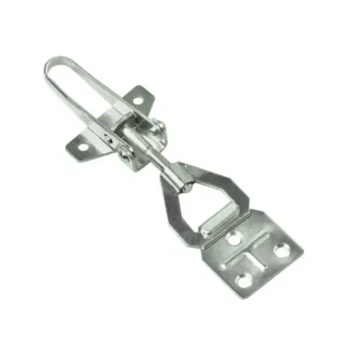
- Heavy Duty Adjustable Hive Connector
- Professional Grade Foldable Beehive Handles
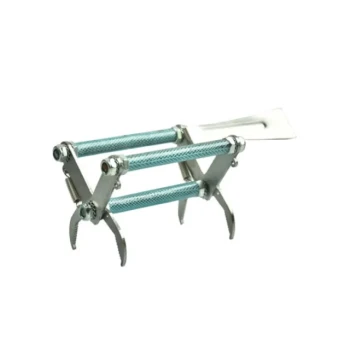
- Multi-Function Plier-Style Frame Grip Hive Tool
- Plastic Bee Frame Beekeeping Hive Frames for Wholesale
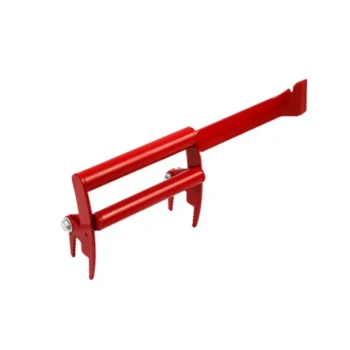
- Heavy-Duty Lever-Action Frame Grip with Hive Tool
People Also Ask
- Under what circumstance are beehive connectors particularly beneficial? Optimize Handling for Full Beehive Attachments
- What is the advantage of using the beehive connector when handling full attachments? Achieve Safe and Efficient Hive Transport
- What are the primary functions of a beehive connector? Ensure Hive Stability and Safe Colony Transport
- How can the connection length and strength of a beehive connector be adjusted? Master Tension with Threaded Mechanics
- What is the purpose of the beehive connector? Secure Your Hive for Safe Transport