Moveable Frame Hives act as the fundamental interface for modern apiary management by allowing the independent removal and inspection of individual combs without damaging the colony structure. This capability transforms beekeeping from a destructive harvest practice into a scientifically managed operation, enabling precise monitoring of diseases, pests, and queen health while significantly increasing honey production efficiency.
The core innovation of the Moveable Frame Hive is the decoupling of the honeycomb from the hive body. This design allows for non-destructive intervention, enabling beekeepers to proactively manage colony health and separate honey production from brood rearing, thereby ensuring both higher yields and superior product purity.
The Shift to Non-Destructive Management
The primary advantage of Moveable Frame Hives over traditional fixed-comb structures (such as log or wall hives) is structural preservation during intervention.
Preserving the Colony's Investment
In traditional setups, harvesting often requires cutting out the comb, which destroys the hive's infrastructure. Moveable frames allow beekeepers to extract honey and return the empty wax frames to the hive.
This allows the bees to reuse the wax comb rather than expending vast amounts of energy and resources rebuilding it. This conservation of energy directly translates to higher honey yields and faster colony recovery.
Granular Inspection Capabilities
The design permits the independent inspection of every frame. Beekeepers can assess the colony's status frame-by-frame, checking honey storage levels and brood development in real-time.
This visibility ensures that colonies can be monitored effectively during nectar dearth periods. Beekeepers can verify food supplies and intervene before starvation occurs, a task that is nearly impossible in fixed-comb hives.
Advanced Biological Control
Beyond simple observation, Moveable Frame Hives facilitate active biological management of the Apis mellifera colony.
Precise Disease and Pest Monitoring
The ability to expose the internal structure of the hive is critical for modern biosecurity. Beekeepers can detect early signs of disease or infestation by visually inspecting the brood pattern and comb surface.
Furthermore, modern hive structures are better engineered to resist external predators. They provide enhanced stability and protection against wasps, ants, and wax moths, securing the colony's safety more effectively than traditional vessels.
Swarm Management and Queen Rearing
Moveable frames enable the manipulation of the colony's reproductive cycle. Beekeepers can identify swarm cells early and split the colony artificially to prevent the loss of bees.
This structure also supports artificial queen rearing. By isolating specific frames or moving resources, apiarists can breed queens selectively, ensuring the genetic continuity and vigor of their stock.
Optimizing Production Quality
The standardization of equipment in Moveable Frame Hives leads to a consistent, high-quality commercial product.
Separation of Resources
Standard frame hives allow for the clear separation of honeycombs from brood combs. This prevents the harvesting of larvae or biological waste alongside the honey.
Consequently, the harvested honey is free from beeswax impurities and brood fluids. This significantly enhances purity, improving the commercial value and shelf stability of the final product.
Industrial Scalability
The use of standardized "bee space" designs allows frames to be interchangeable between hives. This modularity serves as the foundation for industrial-scale beekeeping.
It simplifies logistics, making it easier to replace equipment, balance resources between strong and weak colonies, and automate the extraction process.
Understanding the Trade-offs
While Moveable Frame Hives offer superior control, they introduce complexities that traditional methods avoid.
The Requirement for Precision
The effectiveness of this system relies entirely on maintaining precise "bee space." If the frames are not manufactured or spaced to exact standards, bees will bridge the gaps with burr comb, negating the "moveable" advantage.
Active Management Overhead
Unlike traditional hives, which are often passive, Moveable Frame Hives require regular human intervention. The system is designed for active monitoring; failing to inspect regularly can lead to unmanaged swarming or undetected disease spread, as the high density of colonies in modern apiaries can accelerate transmission.
Making the Right Choice for Your Goal
The transition to Moveable Frame Hives is a choice to prioritize control and efficiency over passive observation.
- If your primary focus is Commercial Yield: Adopt Moveable Frame Hives to utilize reusable combs and non-destructive harvesting, which maximizes honey production by conserving bee energy.
- If your primary focus is Colony Health: Use this equipment to facilitate regular, deep inspections for disease, pests, and food stores, ensuring higher survival rates during dearth periods.
- If your primary focus is Product Quality: Leverage the separation of brood and honey frames to ensure impurities and larvae do not contaminate your harvest.
Moveable Frame Hives replace the uncertainty of wild harvesting with the reliability of a controlled, sustainable agricultural system.
Summary Table:
| Feature | Traditional Fixed-Comb Hives | Modern Moveable Frame Hives |
|---|---|---|
| Harvest Method | Destructive (cutting comb) | Non-destructive (centrifugal extraction) |
| Comb Management | Bees must rebuild wax every time | Frames are reusable, saving bee energy |
| Disease Control | Limited visual access | Granular, frame-by-frame inspection |
| Honey Purity | High risk of brood/wax contamination | Clean separation of honey and brood areas |
| Scalability | Low; labor-intensive | High; modular and standardized equipment |
Maximize Your Colony Potential with HONESTBEE
As a dedicated partner to commercial apiaries and global distributors, HONESTBEE provides the precision-engineered equipment necessary to master modern beekeeping. From standardized moveable frame hives that maintain perfect 'bee space' to industrial-grade honey-filling and hive-making machinery, our comprehensive wholesale catalog is designed to scale your operations.
Ready to enhance your yield and product purity? Contact us today to explore our full spectrum of beekeeping tools and essential consumables.
References
- SJ Bhusal, RB Thapa. Response of Colony Strength to Honey Production: Regression and Correlation Analysis. DOI: 10.3126/jiaas.v27i0.706
This article is also based on technical information from HonestBee Knowledge Base .
Related Products
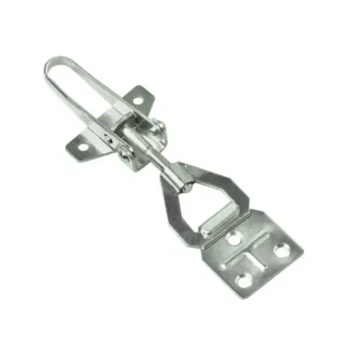
- Heavy Duty Adjustable Hive Connector
- Professional Grade Foldable Beehive Handles
- Wooden Bee Hive Frames for Beekeeping and Wholesale
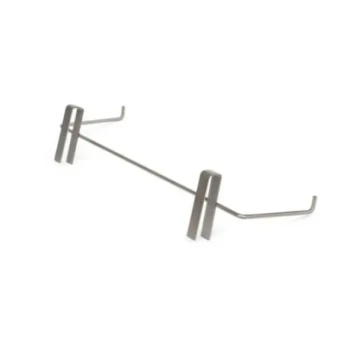
- Heavy-Duty Stainless Steel Clip-On Frame Perch
- Plastic Bee Frame Beekeeping Hive Frames for Wholesale
People Also Ask
- Under what circumstance are beehive connectors particularly beneficial? Optimize Handling for Full Beehive Attachments
- What is the advantage of using the beehive connector when handling full attachments? Achieve Safe and Efficient Hive Transport
- What are the primary functions of a beehive connector? Ensure Hive Stability and Safe Colony Transport
- How can the connection length and strength of a beehive connector be adjusted? Master Tension with Threaded Mechanics
- What is the purpose of the beehive connector? Secure Your Hive for Safe Transport