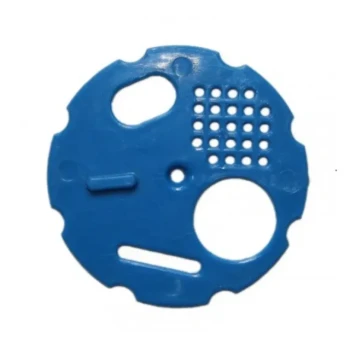
The primary cost-control advantage of a dual-entrance beehive system is a drastic reduction in labor expenditures, requiring five to seven times fewer man-hours than manual pollination methods. While this approach involves initial costs for equipment and leasing, the automation of the pollination process offsets these expenses to generate an overall profit margin increase of more than 12%.
By transitioning from manual labor to advanced apicultural machinery, growers can increase total yield and fruit weight by approximately 41%. This system effectively converts a high-variable-cost activity into a streamlined, automated process that significantly boosts production efficiency.
Analyzing the Labor Efficiency Shift
Drastic Reduction in Operational Hours
The most immediate impact of adopting dual-entrance hardware is the elimination of repetitive manual labor. In a direct comparison within a greenhouse of the same area, manual pollination is a labor-intensive process.
Implementing a dual-entrance system reduces the required labor hours by a factor of five to seven. This allows your workforce to be redirected toward other critical crop management tasks that cannot be automated.
From Variable Wages to Fixed Efficiency
Manual pollination ties your operational costs directly to hourly wages and the speed of your workforce. This can create volatility in your budget, especially during peak growing seasons.
A beehive system stabilizes these costs by relying on automated biological processes rather than human scheduling. The system provides consistent coverage without the escalating costs of overtime or temporary labor hiring.
The Multiplier Effect on Output
Increasing Biological Yield
Cost control is not solely about reducing expenses; it is also about maximizing the return on every square foot of greenhouse space. The dual-entrance system does more than just save time.
Data indicates that utilizing this equipment increases both the average fruit weight and total yield by approximately 41%. This suggests that the quality of pollination provided by the system is superior to manual methods, resulting in a heavier, more valuable harvest.
Impact on Net Profit Margins
The combination of reduced labor costs and increased yield creates a compound effect on the bottom line. Savings on wages are retained as profit, while the additional crop volume generates new revenue.
Consequently, growers can expect to see an improvement in overall profit margins of more than 12%. This metric demonstrates that the efficiency gains of the hardware translate directly to financial health.
Understanding the Trade-offs
Initial Capital Investment
While the long-term savings are clear, the dual-entrance system is not without upfront financial requirements. Unlike manual pollination, which is an operational expense paid over time, this system involves initial costs for leasing and equipment.
You must have the capital availability to handle these startup costs before realizing the efficiency gains. However, given the profit margin data, the return on investment (ROI) is realized through the subsequent labor savings and yield boosts.
Making the Right Choice for Your Greenhouse
Deciding between manual pollination and a dual-entrance system depends on your current operational bottlenecks and financial goals.
- If your primary focus is reducing operational overhead: The system allows you to cut pollination-related labor hours by up to 700%, significantly lowering your weekly wage expenses.
- If your primary focus is maximizing production volume: The hardware supports a 41% increase in yield and fruit weight, making it the superior choice for high-volume production targets.
By leveraging advanced apicultural machinery, you are not just cutting costs; you are upgrading the fundamental efficiency of your agricultural production.
Summary Table:
| Feature | Manual Pollination | Dual-Entrance Beehive System | Impact |
|---|---|---|---|
| Labor Requirement | High (100% Man-hours) | Low (14-20% of Manual Labor) | 5x to 7x Reduction |
| Cost Structure | Variable (Hourly Wages) | Fixed (Equipment/Leasing) | Budget Stability |
| Yield & Fruit Weight | Baseline | +41% Increase | Higher Market Value |
| Profit Margin | Standard | +12% Increase | Enhanced Bottom Line |
Revolutionize Your Greenhouse Efficiency with HONESTBEE
Transitioning from manual labor to automated pollination is a strategic investment in your bottom line. At HONESTBEE, we empower commercial apiaries and distributors with the specialized hardware and machinery needed to scale operations profitably. From precision beehive components to honey-processing machinery and essential consumables, our comprehensive wholesale portfolio is designed to maximize your yield while minimizing operational overhead.
Ready to boost your profit margins by 12% or more? Contact our specialists today to discuss how our professional-grade beekeeping equipment can transform your production efficiency.
References
- Beatriz de Jesus Rodrigues, Daniel Nicodemo. An easy-to-manage two-entrance honey bee hive system for greenhouse pollination that improves fruit production. DOI: 10.33448/rsd-v10i11.20029
This article is also based on technical information from HonestBee Knowledge Base .
Related Products
- In-Hive Dual Compartment Frame Bee Feeder for Targeted Colony Nutrition
- Multi-Functional Sliding Hive Entrance for Beekeeping
- Multi-Functional Rotary Hive Entrance Disc for Beekeeping
- Professional Reversible Beehive Hive Entrance
- HONESTBEE Entrance Bee Feeder Efficient Hive Front Liquid Feeding Solution for Beekeeping
People Also Ask
- What are the advantages of using a frame feeder for bee colonies? Boost Growth and Prevent Robbing Efficiently
- Why should sugar syrup or dry sugar not be left out in the open when feeding bees? Avoid a Dangerous Feeding Frenzy
- What precautions should be taken when feeding bees inside the hive? Safeguard Your Colony from Robbing and Leaks
- How do in-hive feeders support honey bee colonies during autumn? Ensure Overwintering Success for Your Apiary
- Why is an in-hive feeder necessary for stimulatory feed? Protect Nano-Particle Integrity and Dosage Accuracy