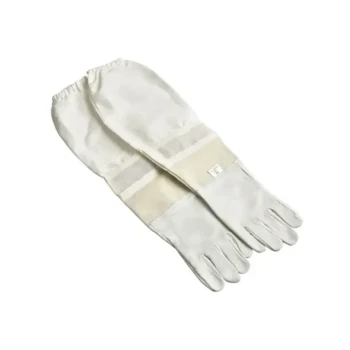
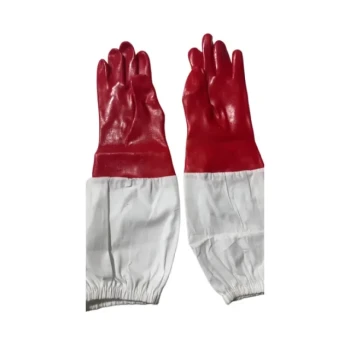
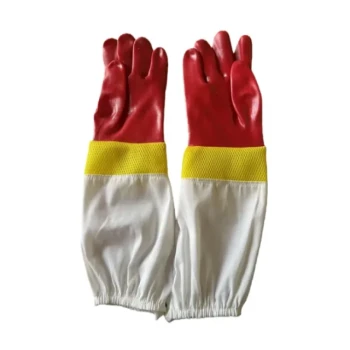
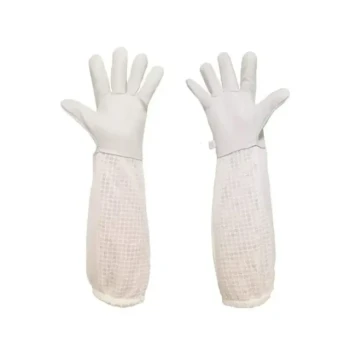
For maximum protection against bee stings, goatskin leather and high-puncture-resistant nitrile gloves are the superior choices. While leather offers a traditional, heavy-duty barrier, specialized nitrile options provide a surprising level of defense without sacrificing the tactile sensitivity needed for careful hive inspections.
The ideal choice requires balancing safety with sensitivity; while thick leather offers the "highest" protection, it reduces dexterity, which can accidentally lead to crushed bees and increased agitation.
Evaluating Material Performance
The Reliability of Leather
Leather remains the gold standard for maximum sting resistance. It provides a thick, physical barrier that stings rarely penetrate.
However, not all leather is equal. Goatskin is the preferred choice for most beekeepers. It offers a dense, protective weave that is significantly thinner and more flexible than cowhide.
Cow leather, while protective, is often too cumbersome. It severely limits your ability to feel what you are touching, which can be detrimental during delicate inspections.
The Nitrile Advantage
Nitrile gloves are a highly effective modern alternative, provided you choose those with a high puncture resistance rating. Standard kitchen gloves are insufficient; you need heavy-duty nitrile.
These gloves create a surprisingly strong barrier against stingers. Unlike woven fabrics, the synthetic material does not offer gaps for a stinger to catch on.
They also offer superior hygiene. Nitrile keeps hands clean of propolis and can be easily changed or washed, preventing the transfer of alarm pheromones between hives.
Materials to Avoid
Latex gloves should be avoided if sting prevention is your priority. While they offer excellent flexibility, the material structure is easily penetrated by bee stingers.
Cotton gloves, unless extremely thick and reinforced, are also risky. They can absorb sweat and pheromones, potentially attracting more defensive behavior from the colony.
Understanding the Trade-offs
The Dexterity Paradox
There is a critical trade-off between protection and dexterity. Thick leather gloves protect your skin, but they make your hands clumsy.
When you cannot feel the bees, you are more likely to accidentally crush them while moving frames. Crushing a bee releases alarm pheromones, which triggers the rest of the hive to become defensive.
Consequently, wearing the "safest" thick gloves can sometimes lead to a more aggressive situation than wearing thinner gloves.
Coverage and Integration
Regardless of the hand material, total arm protection is non-negotiable.
Traditional leather gloves usually feature a gauntlet extending to the elbow. If using nitrile gloves, you must ensure your suit's cuffs are reinforced and secure.
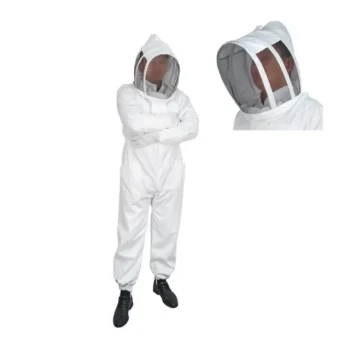
For maximum security, put your gloves on first and pull the suit sleeves over them. This layering prevents bees from crawling into the gap between the glove and the wrist.
Making the Right Choice for Your Goal
When selecting your gear, match the glove to the specific task at hand.
- If your primary focus is maximum protection: Choose goatskin leather gloves with long gauntlets for dealing with aggressive hives or known defensive behaviors.
- If your primary focus is dexterity and hygiene: Choose heavy-duty nitrile gloves, which allow you to feel the bees and avoid crushing them during routine inspections.
- If your primary focus is budget and flexibility: Keep a pair of goatskin gloves nearby for emergencies, but use nitrile for daily work to build confidence and technique.
The best protective gear is the one that allows you to work calmly and gently, minimizing the disturbance to the colony.
Summary Table:
| Material | Sting Resistance | Dexterity Level | Best For |
|---|---|---|---|
| Goatskin Leather | Excellent | Moderate | Defensive hives and maximum protection |
| Heavy-Duty Nitrile | Good | High | Routine inspections and hygienic tasks |
| Cowhide Leather | Superior | Low | Heavy-duty work where sensitivity isn't needed |
| Latex/Cotton | Poor | Very High | Not recommended for sting prevention |
Upgrade Your Apiary Equipment with HONESTBEE
At HONESTBEE, we understand that commercial apiaries and distributors require the perfect balance of safety and efficiency. Whether you need the heavy-duty protection of professional-grade goatskin gloves or high-performance beekeeping machinery and hive-making equipment, we provide the full spectrum of industry-leading supplies. Our wholesale offerings are designed to help you scale your operations while ensuring maximum colony welfare.
Ready to equip your business with the best in the industry?
Contact Us Today to Discuss Wholesale Solutions
Related Products
- Goat Skin Leather Bee Sting Proof Beekeeping Gloves with Canvas Sleeve
- Goatskin Leather Beekeeper Gloves with Vent Long Sleeve for Beekeeping Honey Bee Sting Proof Protection
- Heavy Duty Red Rubber Beekeeping Gloves with Extended Pure Cotton Sleeves for Beekeepers
- Heavy Duty Red Rubber Beekeeping Gloves with Vented Mesh Cotton Sleeves
- Beekeeping Gloves Goatskin Leather with Long Cotton Sleeve for Beekeepers
People Also Ask
- What is the process for cleaning goat leather beekeeping gloves? Expert Guide to Maintaining Dexterity and Durability
- What are the steps to clean goat leather beekeeping gloves? A Guide to Extend Gear Life
- What are the characteristics of goatskin beekeeping gloves? Enhance Dexterity and Protection in Your Apiary
- What are the advantages of goatskin leather gloves for beekeeping? Superior Sting Protection for Your Apiary
- When might a beekeeper decide to work without gloves? Master Hive Finesse and Dexterity