Frame wax melters are constructed using three distinct methods defined by their heat source: solar radiation, open fire, or steam generation. While the objective of separating wax from the comb remains constant, the engineering ranges from a simple glass-covered box to complex metal assemblies requiring external generators.
The construction method you choose dictates both the speed of processing and the quality of the resulting wax. While solar builds offer simplicity and low cost, steam and open-fire constructions provide the consistency required for larger operations regardless of weather.
Solar Construction: Simplicity and Efficiency
The Glass Lid Assembly
A solar melter is the most accessible construction for beginners. It consists of a box sized to hold bee frames, covered by a tight-fitting glass lid.
The glass allows sunlight to enter and traps heat inside, utilizing the greenhouse effect to raise internal temperatures.
The Gravity Drainage System
Inside the box, the frames are angled to facilitate flow.
As the sun heats the interior, wax melts off the frames and drains downward into a collection pan containing water, where it naturally filters and solidifies.
Open Fire Construction: High Heat and Durability
The Tank-in-Tank Design
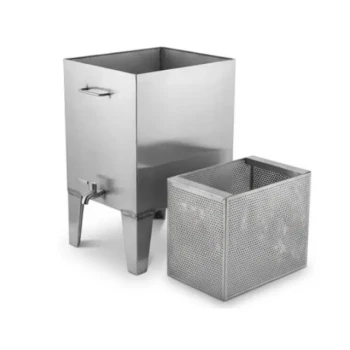
This method requires robust metal fabrication. It utilizes a metal outer box that holds a sealed water tank.
Inside this assembly, a second box made of mesh is installed to hold the frames.
The Direct Heating Mechanism
A fire is maintained directly underneath the metal assembly.
The fire heats the water in the tank, creating a hot environment that melts the wax. The wax then drains into the water below for filtration and cooling.
Steam Generation: Precision and Output
The External Generator
This is considered the most effective but also the most complex construction method.
It relies on a standalone steam generator rather than a passive heat source or direct flame.
The Injection Chamber
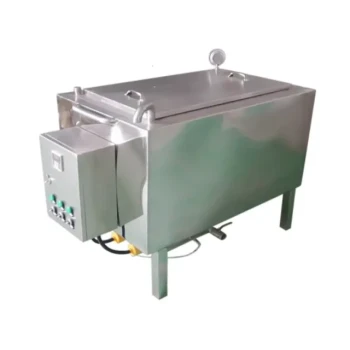
The main body of the melter is a sealed unit where the frames are installed.
Hot steam is piped from the generator directly into this chamber, gently melting the wax without the risk of burning it, resulting in a clean separation.
Understanding the Trade-offs
Weather Dependence vs. Fuel Requirements
Solar constructions are cost-effective to run but are strictly limited by weather conditions; they require hot, sunny days to function.
Steam and open-fire methods allow for processing in any weather, but they require a constant supply of fuel (wood or electricity) and active monitoring.
Complexity vs. Safety
Open fire systems involve heavy metal construction and the management of open flames, presenting burn hazards.
Steam systems offer a gentle heat that protects the wax quality, but they introduce complexity regarding pressure and plumbing connections.
Making the Right Choice for Your Apiary
Selecting the correct construction method depends on your volume of frames, technical skill, and local climate.
- If your primary focus is low cost and simplicity: Build a solar melter with a glass lid, ideal for hobbyists in sunny climates who do not need to process on a deadline.
- If your primary focus is processing speed and independence: Construct or acquire a steam generator system to process frames quickly and consistently, regardless of the weather.
- If your primary focus is utilizing scrap materials: Opt for the open fire method if you have access to metal fabrication tools and firewood, ensuring you include the necessary water tank for safety.
Choose the construction that balances your technical ability with your need for consistent wax production.
Summary Table:
| Construction Method | Heat Source | Key Components | Best For |
|---|---|---|---|
| Solar | Sunlight | Glass lid, insulated box, drainage pan | Hobbyists, low-cost operations |
| Open Fire | Direct Flame | Metal tank-in-tank, mesh frame holder | Areas with abundant fuel, scrap builds |
| Steam | External Generator | Sealed injection chamber, steam pipes | Professional apiaries, high volume |
Maximize Your Wax Recovery with HONESTBEE
Transitioning from hobbyist setups to professional-grade efficiency requires the right equipment. HONESTBEE specializes in supporting commercial apiaries and distributors with a comprehensive range of beekeeping machinery. Whether you need high-output steam wax melters, precision honey-filling machines, or specialized hive-making hardware, we provide the tools to scale your business.
Why partner with HONESTBEE?
- Wholesale Excellence: Full spectrum of durable beekeeping tools and machinery.
- Industry Expertise: Specialized solutions for commercial processing and distribution.
- Complete Portfolio: From essential consumables to honey-themed cultural merchandise.
Ready to upgrade your apiary’s productivity? Contact our team today to discuss our wholesale offerings and customized equipment solutions!
Related Products
- Professional Stainless Steel Wax Melter for Beekeeping and Crafts
- Steam Beeswax Melter Wax Warmer for Wax Processing
- Electric Commercial Beeswax Melter for Factory Use
- Solar Beeswax Melter Easy Solar Wax Melter for Beeswax
- Beeswax Melter for Candle Making Honey Bee Wax Melter
People Also Ask
- What are the benefits of using a professional wax melter? Achieve Consistent, Scalable, and Safe Production
- What are the two main types of wax melters available? A Guide to Direct vs. Indirect Heat
- What are the types of wax melters available? Choose the Right Heating Method for Your Project
- What is the fundamental operating principle of a wax melter? Master the Thermal Phase Change for Pure Beeswax
- What do you use a wax melter for? From Home Fragrance to Professional Beekeeping