The primary disadvantages of a Top Bar hive are its inability to expand, the destruction of comb during harvest, and a lack of standardized equipment. Because the hive has a fixed internal volume, you cannot simply add more boxes to accommodate a growing colony. This limitation requires frequent, hands-on management to prevent swarming and makes the hive unsuitable for migratory beekeeping or high-volume commercial production.
While Top Bar hives are praised for their ergonomic design, they require a beekeeper to trade maximum honey production for intensive space management. The fixed volume dictates the colony's behavior, forcing the beekeeper to harvest regularly not just for yield, but to prevent the bees from abandoning the hive.
Volume and Production Constraints
The Ceiling on Expansion
The most significant technical limitation is the fixed size of the horizontal trough. Unlike vertical hives where you can stack "supers" to add infinite space, a Top Bar hive has a hard limit.
Increased Swarm Risk
When a colony reaches the physical limits of the trough, their instinct is to swarm (split the colony) or cease production entirely. To prevent this, you must harvest honey frequently to continually free up space for the bees to work.
Comb Destruction During Harvest
You cannot extract honey centrifugally from a Top Bar hive because the comb has no supporting frame or wire. Instead, you must cut the comb off the bar and crush it to strain the honey.
Energy Cost of Rebuilding
Because the comb is destroyed during harvest, the bees must consume significant resources to rebuild wax rather than storing honey immediately. This generally results in lower overall honey yields compared to systems where drawn comb is reused.
Structural and Maintenance Challenges
The Mobility Issue
Top Bar hives are effectively stationary apiaries. The natural wax comb hangs freely from the top bar without side or bottom support, making it extremely fragile and prone to collapsing if the hive is moved or transported.
Cross-Comb Complications
Because these hives rely on bees building natural comb without a patterned foundation, they may occasionally build "cross-comb." This occurs when bees build wax across multiple bars rather than along them, effectively gluing the hive shut and making inspections difficult.
Lack of Standardization
There is no universal standard for Top Bar dimensions, unlike the strictly standardized Langstroth hive. If you buy a hive from one manufacturer, replacement bars or accessories from another manufacturer likely will not fit.
The Mentorship Gap
Local beekeeping clubs and veteran mentors typically operate exclusively with Langstroth equipment. Finding advice, troubleshooting help, or hands-on mentorship specific to the unique dynamics of a Top Bar hive can be challenging.
Understanding the Trade-offs
Contextualizing the Disadvantages
It is important to note that these disadvantages are often acceptable trade-offs for hobbyists prioritizing ergonomics. The design eliminates heavy lifting, as there are no boxes to stack or unstack.
The "Kitchen" Benefit
While the "crush and strain" harvest method lowers yield, it also eliminates the need for an expensive centrifuge extractor. This makes the Top Bar hive accessible to those who prefer using simple kitchen tools over industrial processing equipment.
Making the Right Choice for Your Goal
Before committing to this style of beekeeping, weigh your specific objectives against the limitations listed above.
- If your primary focus is maximum honey production: Avoid the Top Bar hive; the need for bees to constantly rebuild wax will significantly throttle your yield.
- If your primary focus is physical accessibility: The Top Bar hive is the superior choice, as it eliminates the heavy lifting required by vertical hive stacks.
- If your primary focus is community learning: Be aware that you will be learning largely on your own, as most local experts will not be familiar with your equipment.
Select the hive that fits your physical capabilities and your desired level of management intensity.
Summary Table:
| Feature | Top Bar Hive Challenge | Impact on Beekeeping |
|---|---|---|
| Expansion | Fixed internal volume | Limited colony growth & higher swarm risk |
| Harvesting | Crush-and-strain method | Comb is destroyed; bees must rebuild wax |
| Honey Yield | Lower efficiency | Energy diverted to wax production vs. honey |
| Portability | Fragile, unsupported comb | High risk of collapse during transport |
| Standardization | No universal dimensions | Difficult to find compatible parts or tools |
| Management | Hands-on & specialized | Harder to find mentors; requires frequent monitoring |
Maximize Your Apiary Efficiency with HONESTBEE
Transitioning from hobbyist setups to high-volume commercial production requires the right equipment. HONESTBEE empowers commercial apiaries and distributors with professional-grade solutions that overcome the limitations of traditional hive designs.
Whether you need standardized beekeeping tools, high-capacity honey-filling machines, or durable machinery for large-scale operations, our comprehensive wholesale portfolio has you covered. We provide the essential industry consumables and specialized hardware needed to scale your business and boost honey yields.
Ready to upgrade your commercial beekeeping operation? Contact HONESTBEE today to discover our full range of professional equipment and cultural merchandise.
Related Products
- Top Bar Beehive for Beekeeping Wholesales Kenya Top Bar Hive
- Long Langstroth Style Horizontal Top Bar Hive for Wholesale
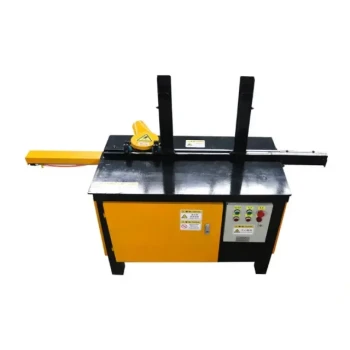
- HONESTBEE Top Bar & Bottom Bar Forming Machine | Bee Frame Machine
- HONESTBEE Square Top Hive Bee Feeder Top Bee Feeder
- HONESTBEE Round Hive Top Bee Feeder for Syrup
People Also Ask
- How is burr comb and propolis removed from a top bar hive? A Practical Guide for Hive Maintenance
- How does comb construction differ between a top bar hive and a Langstroth hive? Choose the Best Method for Your Apiary
- Why do top bar hives require beekeepers to detach comb? Master the Detach-then-Lift Technique for Comb Safety
- How does the design of a top bar hive minimize disturbance to the bees during inspection? Achieve a Calmer, More Natural Approach
- What are the main differences between a top bar hive and a Langstroth hive? A Guide to Choosing Your Hive