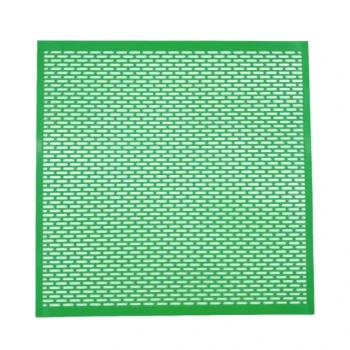
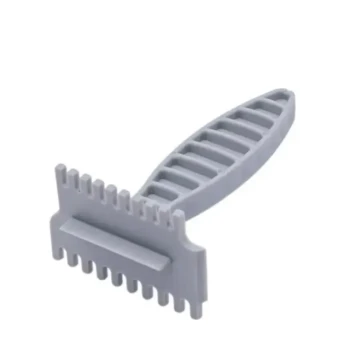
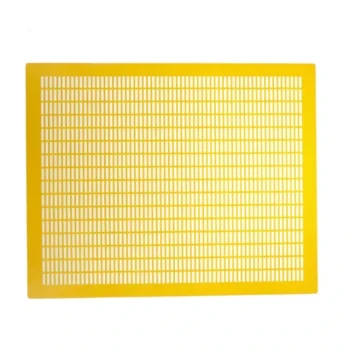
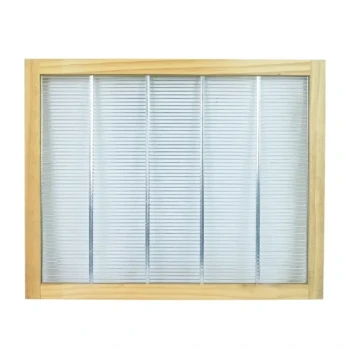
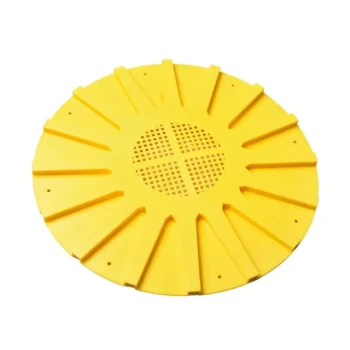
The primary disadvantages of plastic queen excluders are their lack of durability and tendency to distort over time. Unlike their metal counterparts, plastic excluders have a significantly shorter lifespan, are easily damaged by standard hive tools, and are prone to warping, which can negatively impact bee movement and hive management.
Core Takeaway Plastic excluders present a false economy; while initially cheaper, they suffer from material instability that leads to sagging and warping. This distortion complicates maintenance and creates physical hazards—such as sharp stamped edges—that can injure worker bees and impede their access to honey supers.
Material Durability and Maintenance
Vulnerability to Hive Tools
Plastic is inherently softer than the steel used in hive tools. During routine inspections, you must pry components apart to break propolis seals.
It is very common to accidentally gouge, crack, or snap a plastic excluder while scraping off burr comb or separating boxes.
Susceptibility to Warping and Sagging
Rigidity is essential for a queen excluder to maintain the precise "bee space" required for workers to pass through while stopping the queen.
Plastic excluders are prone to sagging under the weight of bees or warping due to temperature changes. When the plastic sags, it rests on the frames below, cutting off the path for worker bees and effectively isolating the honey supers.
Difficulty in Cleaning
Beekeepers often use heat—such as boiling water or a torch—to sterilize equipment and melt off wax and propolis.
Plastic excluders cannot withstand high heat. This makes cleaning them significantly more labor-intensive and limits your ability to fully sterilize them compared to metal options.
Brittleness from Sterilization
If you utilize gamma irradiation to sterilize your equipment against diseases, plastic reacts poorly to the process.
Repeated exposure to irradiation degrades the polymer chains, causing the excluder to become brittle and snap easily during handling.
Impact on Bee Health and Dynamics
Risk of Physical Injury
Metal excluders are typically made of rounded wires, whereas plastic versions are often stamped or molded sheets.
Stamped plastic often retains sharp edges or "burrs" from the manufacturing process. These rough edges can damage the wings or bodies of worker bees as they squeeze through the gaps thousands of times a day.
Impeded Movement
The efficiency of a honey crop depends on workers moving freely into the supers.
Because plastic excluders have wider "slats" than thin metal wires, they present a more significant physical barrier. Combined with the potential for sagging, this can discourage bees from crossing the excluder, potentially leading to a "honeybound" brood nest where the queen runs out of space to lay.
Understanding the Trade-offs
Initial Cost vs. Replacement Frequency
The allure of plastic is almost exclusively its low initial price point.
However, the trade-off is longevity. A metal excluder can last for decades, while plastic excluders are essentially consumable items that may need replacement every few seasons due to cracks or warping.
Operational Friction
Using plastic requires a gentler touch that can slow down your workflow.
You must be more careful when scraping frames or prying boxes, whereas metal equipment allows for faster, more robust handling during the busy season.
Making the Right Choice for Your Goal
While plastic has significant downsides, it may still have a place depending on your specific operation size and budget.
- If your primary focus is longevity and efficiency: Invest in metal (wire) bound excluders to minimize replacement costs and maximize bee flow.
- If your primary focus is minimizing startup costs: Use plastic excluders, but inspect them specifically for sharp edges and sanding them down before use.
- If your primary focus is hygiene and sterilization: Avoid plastic, as it cannot withstand the heat or irradiation required for deep cleaning without degrading.
Your equipment choices should ultimately support the bees' natural workflow, not create invisible barriers to their productivity.
Summary Table:
| Feature | Plastic Queen Excluders | Metal (Wire) Excluders |
|---|---|---|
| Durability | Low; prone to cracking/snapping | High; lasts for decades |
| Heat Resistance | Poor; melts or warps with heat | Excellent; easy to flame or boil |
| Bee Safety | Potential sharp stamped edges | Smooth, rounded wires |
| Stability | Prone to sagging and warping | Rigid; maintains 'bee space' |
| Long-term Value | Frequent replacement costs | One-time long-term investment |
Maximize Your Apiary's Productivity with HONESTBEE
Don't let inferior equipment hinder your honey harvest. At HONESTBEE, we specialize in providing professional-grade beekeeping solutions tailored for commercial apiaries and distributors. From durable metal queen excluders to high-capacity honey-filling machines and specialized hive-making hardware, we supply the full spectrum of equipment needed to scale your operations.
Why partner with HONESTBEE?
- Comprehensive Wholesale Offering: A one-stop shop for tools, machinery, and industry consumables.
- Built for Professionals: Our equipment is designed to withstand the rigors of heavy commercial use.
- Diverse Portfolio: Access everything from essential hardware to honey-themed cultural merchandise.
Contact us today to discuss your wholesale needs and discover how our high-quality equipment can enhance your business efficiency.
Related Products
- High Performance Plastic Queen Excluder for Beekeeping and Apiary Management
- Lightweight Durable Plastic Queen Excluder Scraper for Beekeeping
- Professional Plastic Queen Excluder for Modern Beekeeping
- Plastic Queen Bee Excluder for Bee Hive Wholesale
- Professional Dual Action Queen Excluder Scraper for Beekeeping
People Also Ask
- What are the characteristics of a plastic queen excluder? Key Benefits for Cost-Effective Beekeeping
- What are the operational and cost advantages of using plastic queen excluders over metal or wire excluders in commercial hive management? Discover how they reduce labor, prevent wing damage, and lower total costs.
- What types of queen excluders are available for beekeepers? Choose the Right Tool for Your Hive
- Why are standardized hive frames and queen excluders essential for maintaining honey purity and quality? Scale Your Purity
- Do plastic queen excluders work? A Cost-Effective Solution for Modern Apiaries