The primary disadvantage of using a queen excluder is the potential disruption of the colony's natural workflow, often referred to by beekeepers as the "honey excluder" effect. When worker bees are reluctant to cross the barrier, they may store honey in the brood box instead of the supers, congesting the queen's laying space and significantly increasing the risk of swarming.
While queen excluders offer the convenience of keeping brood separate from honey, they impose unnatural restrictions that can physically harm bees, hamper ventilation, and ultimately reduce the hive's productivity if not carefully managed.
Impact on Colony Dynamics and Production
The "Honey Excluder" Effect
Many beekeepers observe that worker bees are hesitant to squeeze through the gaps of an excluder. Consequently, they may backfill the brood nest with nectar and pollen rather than moving up to the honey supers. This leads to lower honey harvests in the supers.
Increased Risk of Swarming
When workers fill the brood box with honey because they refuse to cross the excluder, the queen runs out of space to lay eggs. This condition, known as becoming "honeybound," is a primary trigger for the colony to initiate swarming preparations.
Restriction of Natural Movement
From a "natural beekeeping" philosophy, excluders are viewed as an artificial barrier that conflicts with the bee's instinctual behaviors. It forces the colony to alter its labor dynamics and separates the queen from resources she might otherwise access.
Physical Risks to the Bees
Wing Damage and Lifespan
Passing through the narrow gaps of an excluder causes friction. Over time, or with poorly manufactured units (particularly punched plastic), sharp edges can strip the hair off bees and damage their wings. This physical wear and tear can shorten the lifespan of the worker bees.
Trapped Drones
Drones are larger than worker bees and cannot pass through the excluder. If an excluder is placed while drones are in the supers, or if they try to force their way through, they can get stuck and die. Their bodies can clog the ventilation gaps, creating additional cleanup work for the hive.
Queens Slipping Through
The barrier is not always 100% effective. Small virgin queens or newly mated queens that have not yet reached full size can sometimes squeeze through the excluder. This defeats the device's purpose, leading to brood being laid in the honey supers.
Maintenance and Hive Environment
Wax and Propolis Buildup
Bees often view the excluder as a gap to be filled. They frequently build burr comb or apply propolis to the wires or slots. This requires regular scraping and cleaning by the beekeeper to maintain the equipment's utility.
Reduced Airflow and Overheating
When bees fill the excluder gaps with wax and burr comb, it significantly reduces vertical airflow within the hive. In hot weather, this lack of ventilation can lead to overheating, stressing the colony as they expend more energy trying to cool the hive.
Understanding Material Trade-offs
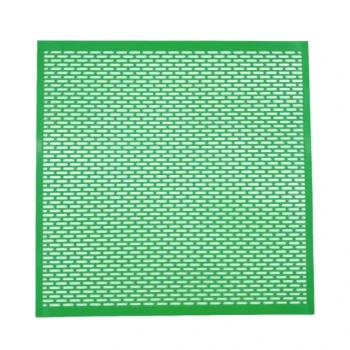
Disadvantages of Plastic Excluders
Plastic models are generally cheaper but come with significant downsides. They are more likely to have sharp edges from the manufacturing process, which causes the most wing damage. They can also warp, making them less effective or difficult to fit.
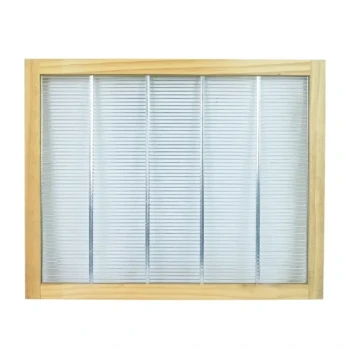
Disadvantages of Metal Excluders
While smoother, metal excluders have their own pitfalls. They are significantly heavier and more expensive. Metal conducts temperature, potentially transferring heat or cold into the hive, and galvanized versions may rust over time. Additionally, designs with folded metal edges can provide hiding spots for pests like small hive beetles.
Making the Right Choice for Your Goal
Deciding whether to use an excluder depends on balancing the convenience of harvest against the biological needs of the colony.
- If your primary focus is natural beekeeping: Avoid the excluder to allow unrestricted movement, reduce wing damage, and minimize swarming triggers related to congestion.
- If your primary focus is commercial honey production: You may need an excluder for efficiency, but you must monitor the brood nest closely to prevent it from becoming honeybound.
- If your primary focus is comb honey production: You generally must use an excluder, as customers will not accept comb that has had brood in it, but ensure you use a high-quality wire excluder to minimize wing damage.
Ultimately, if you choose to use an excluder, treat it as a tool that requires vigilance, not a "set and forget" solution.
Summary Table:
| Disadvantage Category | Specific Impact | Consequence for the Colony |
|---|---|---|
| Colony Workflow | "Honey Excluder" Effect | Backfilled brood nest, reduced honey harvest, and swarming. |
| Bee Physiology | Wing & Hair Friction | Physical damage to workers and shortened lifespans. |
| Hive Maintenance | Propolis & Burr Comb | Reduced airflow, overheating, and frequent manual cleaning. |
| Management Issues | Trapped Drones | Dead drones clogging gaps and hygiene problems. |
| Material Flaws | Sharp Plastic/Heavy Metal | Plastic warps and cuts bees; metal conducts heat and adds weight. |
Maximize Your Colony's Potential with HONESTBEE
Choosing the right tools is essential for maintaining a healthy and productive apiary. At HONESTBEE, we understand the delicate balance between commercial efficiency and bee welfare. We provide commercial apiaries and distributors with high-quality, precision-engineered beekeeping tools, machinery, and essential consumables designed to minimize physical stress on your bees.
From durable hive-making and honey-filling machines to premium hardware that supports natural colony dynamics, our wholesale solutions are tailored to help your business thrive. Don't let poor equipment hinder your honey production—partner with a supplier that values your success.
Contact HONESTBEE Today to discuss your wholesale needs and explore our comprehensive range of professional beekeeping equipment!
Related Products
- High Performance Plastic Queen Excluder for Beekeeping and Apiary Management
- Professional Plastic Queen Excluder for Modern Beekeeping
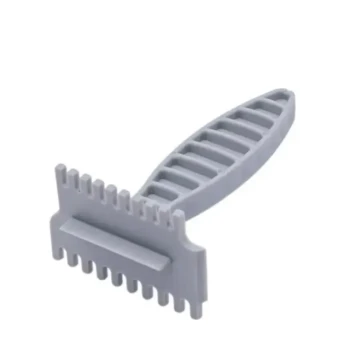
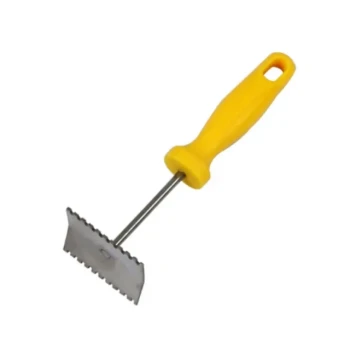
- Lightweight Durable Plastic Queen Excluder Scraper for Beekeeping
- Metal Queen Bee Excluder for Beekeeping
- Premium Wood Framed Metal Wire Queen Bee Excluder
People Also Ask
- What are the characteristics of a plastic queen excluder? Key Benefits for Cost-Effective Beekeeping
- What are the operational and cost advantages of using plastic queen excluders over metal or wire excluders in commercial hive management? Discover how they reduce labor, prevent wing damage, and lower total costs.
- What types of queen excluders are available for beekeepers? Choose the Right Tool for Your Hive
- Why are standardized hive frames and queen excluders essential for maintaining honey purity and quality? Scale Your Purity
- Do plastic queen excluders work? A Cost-Effective Solution for Modern Apiaries