Vacuum packaging presents a significant trade-off for the sensory quality of bee pollen. While it is effective at preventing general spoilage by removing air, it tends to negatively impact the immediate palatability and physical structure of the product. Research indicates that vacuum environments result in lower taste ratings compared to storage methods using modified atmospheres, such as nitrogen or carbon dioxide.
While vacuum sealing excels at stopping chemical oxidation, the physical pressure it exerts often compromises the texture and flavor profile of bee pollen, making it less appealing than pollen stored in gas-flushed environments.
The Negative Impacts on Sensory Experience
Reduced Palatability
When strictly evaluating taste, vacuum packaging often falls short of other preservation methods.
Studies comparing storage techniques show that vacuum environments lead to a decrease in taste ratings. If your goal is maintaining the "fresh" flavor profile of the pollen, modified atmospheres using inert gases like nitrogen or carbon dioxide are generally superior.
Compromised Texture and Appearance
The physical mechanics of vacuum packaging can degrade the visual and tactile quality of the product.
The pressure required to create a vacuum frequently causes bee pollen loads to clump together. This "bricking" effect compromises the external appearance and ruins the individual granular texture that consumers often expect.
The Chemical Preservation Upside
Preventing Rancidity
While the physical sensation of eating the pollen may suffer, vacuum packaging is highly effective at preserving chemical stability.
By combining plastic vacuum bags with aluminum foil, you can effectively isolate oxygen. This prevents the oxidation of sensitive lipid components, protecting the pollen from developing the off-flavors associated with rancidity.
Color Retention
Visual appeal is also linked to chemical composition, specifically regarding color vibrancy.
Vacuum packaging helps protect photosensitive bioactive substances, such as carotenoids, from degradation. This ensures the pollen retains its natural color, provided it is also shielded from light.
Understanding the Trade-offs
Mechanical Pressure vs. Chemical Stability
The core conflict in storing bee pollen is between physical integrity and chemical longevity.
Vacuum packaging sacrifices physical integrity (causing clumping) to gain chemical stability (stopping oxidation). However, for a product intended to be eaten directly, the loss of texture and taste noted in the primary research suggests that vacuum sealing may be too aggressive for premium consumer-facing products.
The Role of Temperature
It is worth noting that the effectiveness of vacuum packaging is optimized by temperature.
The preservation of nutritional characteristics and physicochemical stability is maximized when vacuum packaging is combined with low-temperature frozen conditions. However, freezing does not resolve the issue of physical clumping caused by the vacuum pressure.
Making the Right Choice for Your Goal
To select the correct packaging system, you must define whether your priority is the consumer's eating experience or the long-term chemical stability of the nutrients.
- If your primary focus is immediate sensory appeal (Taste/Texture): Prioritize modified atmosphere packaging (using Nitrogen or CO2) to maintain high palatability and prevent the pollen granules from clumping.
- If your primary focus is long-term chemical preservation: Use vacuum packaging with aluminum barriers and freezing to maximally inhibit lipid oxidation and protect bioactive compounds, accepting that some clumping will occur.
Choose the method that aligns with whether your end-user values loose, flavorful granules or chemically stabilized nutritional density.
Summary Table:
| Sensory Parameter | Effect of Vacuum Packaging | Comparison to Modified Atmosphere (N2/CO2) |
|---|---|---|
| Taste/Palatability | Lower ratings; prone to losing fresh flavor | Superior; maintains "fresh" taste profiles |
| Texture | High risk of clumping/bricking due to pressure | Better; preserves individual granular texture |
| Color Retention | High; protects carotenoids from oxidation | Comparable; both protect visual vibrancy |
| Chemical Stability | Excellent; prevents lipid rancidity | Excellent; prevents oxidation without pressure |
| Appearance | Compromised by physical compression | Maintained; granules remain loose and appealing |
Elevate Your Bee Product Quality with HONESTBEE
Choosing the right preservation method is critical for maintaining the premium quality of your bee products. At HONESTBEE, we specialize in supporting commercial apiaries and distributors with high-performance solutions. From advanced honey-filling and processing machinery to specialized beekeeping tools and hardware, we provide the equipment necessary to protect your harvest's nutritional density and sensory appeal.
Whether you are scaling up production or looking for wholesale consumables and cultural merchandise, our experts are here to help you optimize your workflow. Contact us today to discover how HONESTBEE’s comprehensive wholesale offerings can enhance your business efficiency and product value.
References
- Maciej Siuda, T. Bąk. The Effect of Various Storage Methods on Organoleptic Quality of Bee Pollen Loads. DOI: 10.2478/v10289-012-0008-8
This article is also based on technical information from HonestBee Knowledge Base .
Related Products
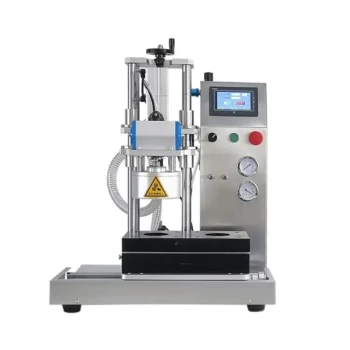
- Semi-Automatic Vacuum Capping Machine with Pneumatic Control for Glass Jars
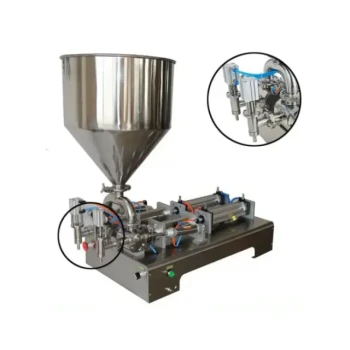
- Pneumatic Double Nozzle Honey Filling Bottling Packaging Machine
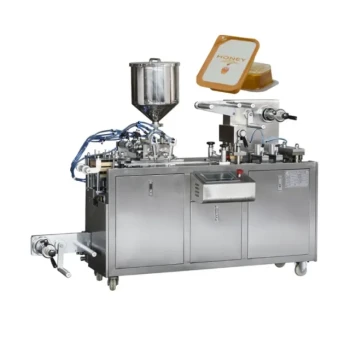
- Professional Durable Customizable Blister Packing Machine
- Pneumatic Paste Filling Machine Bottling Packaging Machine Single Nozzle
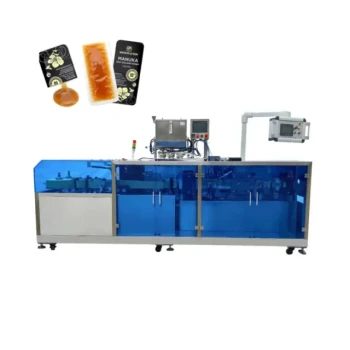
- Automatic Single-Dose Snap & Squeeze Honey Sachets Packing Machine
People Also Ask
- What is the function of a capping machine in honey packaging? Secure Your Product Quality and Shelf Life
- Which machine is used for sealing of bottles? Choose the Right Capper for Your Production Line
- What are the different types of capping machines available? Choose the Right One for Your Production Scale
- What types of caps can capping machines handle? Find the Right Solution for Your Bottling Line
- How does a bottle capping machine work? Unlock Efficient, Consistent Sealing for Your Production Line