The primary equipment application advantage of combining queen caging with oxalic acid is the elimination of the need for complex, penetrative chemical mechanisms. By physically inducing a brood-less state, the colony becomes susceptible to simple contact-killing methods, rendering expensive, high-volume chemical treatments unnecessary.
Core Takeaway Integrating queen caging creates a predictable biological window that allows oxalic acid drip treatments to function with maximum efficiency as a contact killer. This synergy significantly reduces the total volume of chemical consumables required and eliminates the need for the multiple, repeated applications typical of chemical-only protocols.
Optimizing the Treatment Mechanism
Removing the Penetration Requirement
Standard chemical treatments often require complex formulations or high volumes to penetrate brood cappings where mites hide.
By caging the queen, you artificially create a brood-less state. This physical intervention removes the protective barrier of the brood cap, exposing all mites to the treatment area.
Maximizing Contact Efficiency
Once the brood is removed, the treatment dynamic changes from penetration to simple contact-killing.
Oxalic acid drip treatments become highly effective in this environment. Because the mites are phoretic (exposed on the bees) rather than hidden in cells, a single, low-tech application achieves high efficacy.
Resource and Operational Efficiency
Reducing Chemical Consumables
This integrated approach significantly lowers the total volume of chemicals needed for effective control.
Because the mites are fully exposed, you do not need to saturate the hive repeatedly to catch mites emerging from brood cycles. This directly reduces the cost and storage requirements for chemical consumables.
Eliminating Multiple Applications
Relying on chemicals alone often necessitates a multi-treatment regimen to cover the entire brood cycle.
The queen caging method consolidates this effort. It achieves results in a single, well-timed window that would otherwise require multiple chemical applications, saving time and reducing equipment wear.
Understanding the Trade-offs
Physical Labor vs. Chemical Convenience
While this method reduces chemical reliance, it exchanges it for physical manipulation.
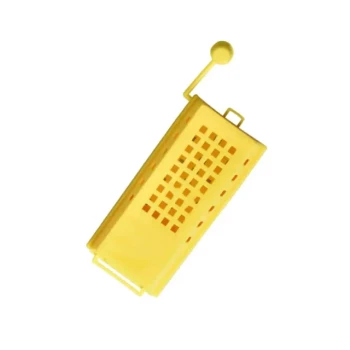
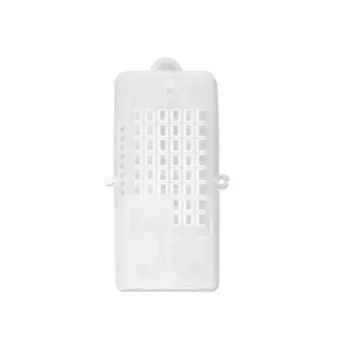
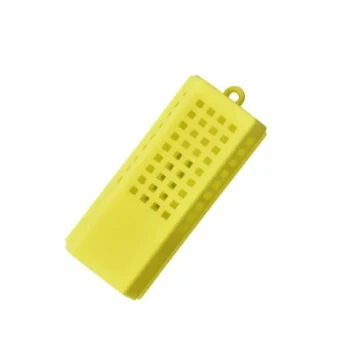
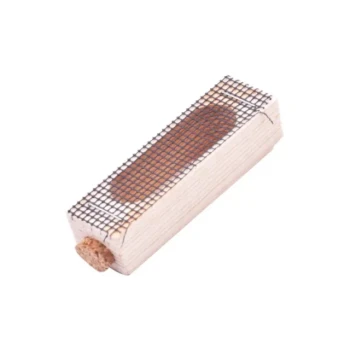
You must locate and cage the queen, which requires skill and time. The trade-off is investing labor upfront to reduce the later burden of volume-heavy chemical management.
Timing Precision
Success relies on the synergy between the biological state and the chemical application.
You cannot apply the oxalic acid randomly; it must be timed to coincide with the brood-less period induced by the cage. Equipment application is simpler, but the schedule is stricter.
Making the Right Choice for Your Goal
To determine if this method suits your operation, consider your primary objectives:
- If your primary focus is Reducing Chemical Load: This method is superior as it lowers the volume of consumables and avoids expensive penetrative agents.
- If your primary focus is Colony Health: This approach is recommended as it improves overall wintering survival rates by effectively breaking the mite cycle.
By substituting chemical volume with biological timing, you achieve a more efficient and sustainable application process.
Summary Table:
| Feature | Chemical-Only Treatment | Queen Caging + Oxalic Acid |
|---|---|---|
| Mechanism | Requires brood penetration | Simple contact-killing |
| Chemical Volume | High/Saturated | Low/Optimized |
| Application Frequency | Multiple (3-4 times) | Single application |
| Mite Exposure | Mites hidden in brood | 100% phoretic exposure |
| Labor Focus | Repeated application labor | Upfront biological management |
| Consumable Cost | Higher due to volume | Lower due to efficiency |
Scale Your Apiary Success with HONESTBEE
At HONESTBEE, we empower commercial apiaries and distributors with the professional-grade tools needed to implement advanced management techniques like queen caging and integrated pest management. Whether you are looking for high-quality queen cages, precision oxalic acid application tools, or large-scale honey-filling machines, our comprehensive wholesale portfolio has you covered.
Why Partner with HONESTBEE?
- Full Spectrum Supply: From specialized hardware to essential industry consumables.
- Commercial Grade: Durable machinery designed for high-volume efficiency.
- Expert Support: We help you reduce chemical reliance and improve colony health with the right equipment.
Ready to upgrade your beekeeping operation? Contact us today to explore our wholesale catalog!
References
- Aleš Gregorc, Ivo Planinc. Sustainable varroa mite (Varroa destructor) control in field conditions. DOI: 10.2754/avb202291040401
This article is also based on technical information from HonestBee Knowledge Base .
Related Products
- Professional Queen Bee Introduction and Transport Cage
- Professional Queen Cage with Sliding Gate and Feeder Plug
- Durable Galvanized Steel Spring Queen Bee Cage
- Professional Multi-Functional Queen Bee Cage
- Professional Multi-Compartment Queen Cage with Sliding Lid
People Also Ask
- Why are specialized queen bee cages used for the banking of mated queen bees? Maximize Commercial Apiary Storage Efficiency
- What is the mechanism of action for using temporary queen bee cages? Master Successful Queen Introduction
- How is a queen bee released from a queen cage? Ensure Safe Colony Integration & Hive Success
- What materials are required to install a queen bee's cage into a hive? Essential Tools for Successful Queen Integration
- How long should a queen bee stay in the cage before being released? Ensure a Successful Introduction