A standard modular movable-frame beehive is built as a stack of interchangeable components: a stand, bottom board, brood chamber, frames, optional queen excluder, honey supers, inner cover, and outer cover. Each part has a defined role in supporting bee health, controlling colony space, protecting the hive, or enabling inspection and honey harvesting. The modular design allows beekeepers to add, remove, or replace components as colony size and seasonal conditions change.
The essential principle is separation with access: the brood chamber supports colony reproduction, upper supers provide space for surplus honey, and movable standardized frames let beekeepers inspect and manage the colony without destroying the comb.
How the Hive Structure Works
Hive Stand: Stable Elevation
The hive stand supports the complete hive and raises it above the ground. This reduces exposure to dampness, improves airflow beneath the hive, and helps protect the colony from some ground-dwelling pests.
A stand also improves working height, making inspections and component handling more practical for beekeepers and apiary staff.
Bottom Board: Foundation and Entrance
The bottom board forms the floor of the hive and supports the brood chamber above it. Its front edge usually provides the primary entrance through which bees leave and return.
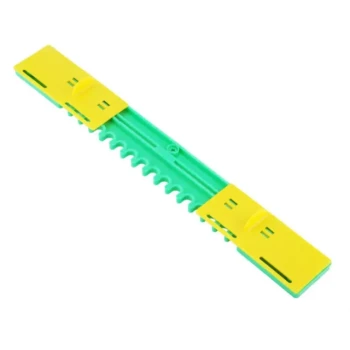
The entrance may be fitted with an entrance reducer. This removable insert limits the opening, helps a small or vulnerable colony defend itself, and can reduce drafts during colder periods.
Brood Chamber: The Colony’s Core
The deep brood chamber, also called the brood box or deep hive body, houses the central nest. The queen lays eggs here, while worker bees feed larvae and maintain developing brood.
The chamber also contains pollen and honey reserves needed to sustain the colony. Its larger depth provides sufficient space for brood production and the colony’s essential food stores.
Frames and Internal Organization
Movable Frames: Inspection and Management
Parallel movable frames hang inside the brood chamber and honey supers. Bees build comb on these frames, using the space to rear brood or store pollen, nectar, and honey.
Because the frames can be removed individually, beekeepers can inspect queen performance, brood patterns, food reserves, disease indicators, and swarm-prevention conditions.
Foundation: Straight Comb Guidance
Frames may contain wax or plastic foundation sheets. These provide a starting matrix that encourages bees to build straight, uniform comb within the frame.
Straight comb improves inspection, reduces comb crossover between frames, and supports more efficient uncapping and honey extraction. Frame and foundation specifications should be standardized within the hive system to ensure proper fit and alignment.
Frame Construction: Structural Support
A typical frame includes a top bar, bottom bar, and side bars. Foundation may be secured with wire, support pins, brad nails, or other suitable fastening methods.
Reliable frame construction matters commercially because inconsistent dimensions can prevent proper stacking, interfere with inspection tools, and make frames incompatible with standard extraction equipment.
Honey Storage and Colony Separation
Queen Excluder: Selective Access
A queen excluder is a grid placed between the brood chamber and the honey supers. Its openings are large enough for worker bees to pass through but restrict the larger queen.
When used, it encourages the queen to remain in the brood chamber and reduces the likelihood of brood being raised in the honey supers. This can simplify honey harvesting and keep upper frames more suitable for extraction.
The queen excluder is an optional management component, rather than a universal requirement. Its use depends on local beekeeping practice, colony behavior, and production goals.
Honey Supers: Space for Surplus Honey
Honey supers are boxes placed above the brood chamber. They contain removable frames where bees store surplus nectar and ripened honey beyond the colony’s immediate needs.
Supers may be shallow, medium, or deep, depending on the hive standard and the beekeeper’s lifting and harvesting preferences. Additional supers can be added as the colony expands and removed when honey is ready for extraction.
A super is intended for honey storage, but the use of a queen excluder and good colony management is what helps keep it largely free of brood.
Modular Stacking: Adjustable Capacity
The stackable format allows beekeepers to adjust hive volume without rebuilding the colony’s living space. Supers can be added during strong nectar flows and removed after the harvest season.
For distributors and resellers, this interchangeability makes standardized boxes, frames, covers, and accessories easier to package as complete systems or replenish as individual replacement parts.
Covers, Ventilation, and Weather Protection
Inner Cover: Separation and Ventilation
The inner cover sits above the uppermost super or brood chamber. It creates a separation between the bees and the outer roof and may include ventilation openings or feeding ports.
It also helps prevent bees from attaching the outer cover directly to the upper frames with propolis. Depending on its design, it can support moisture management and accommodate feeding equipment.
Outer Cover: Weatherproof Protection
The telescoping outer cover forms the hive’s protective roof. It typically extends over the sides of the hive body to shield the internal components from rain, wind, sunlight, and temperature extremes.
A durable weather-resistant finish is important because the outer cover receives continual exposure to outdoor conditions. Its fit should protect the hive while still allowing routine removal during inspections.
Moisture and Airflow: Internal Balance
The cover system must protect the colony from precipitation while allowing appropriate ventilation. Excess moisture can condense inside the hive, while excessive drafts can stress a weak colony.
Design details such as cover ports, ventilation gaps, entrance size, and hive placement work together. No single cover component controls the entire internal climate.
Why Standardization Matters
Interchangeable Components
Standardized dimensions allow compatible boxes, frames, queen excluders, bottom boards, and covers to be stacked or exchanged across hives.
This is particularly valuable for commercial apiaries and supply businesses because common specifications simplify inventory management, replacement ordering, and customer support.
Efficient Colony Inspection
Movable frames give beekeepers direct access to the colony’s internal condition. They can assess brood development, food stores, queen activity, pests, and disease symptoms frame by frame.
This level of access is a defining advantage over fixed-comb hive designs, where inspection and harvesting can be more disruptive.
Non-Destructive Harvesting
When honey is stored in removable frames, the frames can be taken to standard extraction equipment. Honey can be removed while preserving the frame and much of the existing comb for later use.
Preserving drawn comb can reduce the work bees must do to rebuild storage space, although the frames still require appropriate inspection, cleaning, and disease-management practices.
Understanding the Trade-offs
Queen Excluder Limitations
A queen excluder can help separate brood from harvest honey, but it also adds resistance to worker movement between hive sections. Some colonies may be slower to use upper supers when an excluder is introduced prematurely or managed poorly.
It should therefore be treated as a management choice, not an automatic requirement for every hive.
Lifting and Handling Weight
Deep brood boxes provide substantial capacity but become heavy when filled with bees, honey, and equipment. Shallow or medium supers can reduce individual lifting weight, though they may require more boxes and more frame handling.
The best configuration balances colony capacity, beekeeper ergonomics, transport requirements, and the harvesting workflow.
Dimensional Incompatibility
Frames and boxes that appear similar may still differ in critical dimensions. Small variations in frame length, box depth, rabbet design, or spacing can cause poor alignment and unusable combinations.
Manufacturers and suppliers should specify component dimensions clearly and maintain consistency across product batches.
Weather and Material Durability
Wooden components require suitable protection from moisture and weather. Poorly finished covers, warped boxes, or weak joints can allow water intrusion and shorten service life.
Plastic components may offer different durability, cleaning, and weight characteristics. Material selection should reflect local climate, customer preferences, and intended operating conditions.
Making the Right Choice for Your Goal
The correct hive configuration depends on how the equipment will be used and supplied.
- If your primary focus is colony health: Prioritize a stable stand, well-ventilated bottom board, correctly sized brood chamber, durable frames, and easy frame removal for inspection.
- If your primary focus is honey production: Choose compatible supers, straight-comb foundation, reliable covers, and a queen-excluder option that suits the beekeeper’s management method.
- If your primary focus is commercial apiary efficiency: Use standardized interchangeable boxes, frames, and accessories that simplify inspection, replacement, transport, and extraction.
- If your primary focus is distribution and wholesale supply: Offer a complete compatible system with clear specifications, dependable inventory, responsive service, and efficient fulfillment across core components and optional accessories.
A well-standardized modular hive gives beekeepers practical control over colony space, inspection, protection, and honey harvesting.
Summary Table:
| Component | Function |
|---|---|
| Hive Stand | Elevates hive, improves airflow, reduces pests, provides working height. |
| Bottom Board | Floor of hive, provides entrance, supports brood chamber; may include entrance reducer. |
| Brood Chamber | Houses brood, pollen, and honey; supports colony reproduction. |
| Movable Frames | Support comb, enable inspection and management. |
| Foundation | Guides straight comb building, improves extraction efficiency. |
| Queen Excluder | Restricts queen to brood area, keeps honey supers brood-free (optional). |
| Honey Supers | Provide space for surplus honey storage. |
| Inner Cover | Separates bees from outer cover, aids ventilation. |
| Outer Cover | Protects hive from weather. |
Ready to equip your beekeeping business with high-quality modular hives? At HONESTBEE, we specialize in supplying commercial apiaries and distributors with a comprehensive wholesale range of beekeeping tools, machinery, and equipment. Our full-spectrum product portfolio includes everything from hive-making and honey-filling machines to essential consumables and honey-themed cultural merchandise. We understand the needs of distributors and wholesalers: we offer competitive margins, OEM/ODM support, certified quality, and reliable supply chains. With rapid response times, dedicated customer service, and ultra-fast delivery, we ensure your orders are fulfilled efficiently. Contact us today to discuss your requirements and let's build a successful partnership!
Related Products
- Professional Observation Hive: The Ultimate Portable Solution for Beekeeping Education, Exhibitions, and Colony Displays
- Assembled Wooden Bee Frames with Plastic Foundation for Durability and Convenience by HONESTBEE
- HONESTBEE Wired and Assembled Wooden Bee Frames Foundation for a Thriving Hive
- Mini Desktop Bee Hive Frame Forming Making Machine
- Plastic Bee Frame Beekeeping Hive Frames for Wholesale
People Also Ask
- How does transitioning to modern hives boost honey yield? Increase production and product quality for your commercial apiary
- How do Langstroth and Dadant standard beehives compare regarding brood chamber management and component compatibility? Find the Perfect Fit for Your Apiary
- What are the key operational differences and structural trade-offs between Langstroth beehives and top-bar beehives for apiary management? Discover which hive system fits your operational needs.
- What are the primary differences between Langstroth, horizontal top bar, and Warré hive box designs when selecting beekeeping equipment? Choose the Right Hive for Your Apiary
- Why do commercial apiary operators transition from traditional hive structures, such as clay cylinders, to standardized Langstroth hive boxes? Discover Scalable Beekeeping Solutions