High-quality packaging materials are the defining variable in successful honey direct marketing. They perform a dual function: scientifically preserving the honey’s delicate chemical balance against moisture and spoilage, while simultaneously transforming a raw agricultural staple into a premium, high-value consumer brand.
The Core Insight: In direct marketing, packaging is not merely a container; it is an active preservation system and a primary marketing tool. It bridges the gap between a perishable agricultural product and a shelf-stable, culturally significant commodity that commands premium pricing.
The Science of Preservation
Combating Hygroscopic Spoilage
Honey is naturally hygroscopic, meaning it actively attracts and holds water molecules from the surrounding environment. Without a high-hermeticity seal provided by professional packaging, honey absorbs atmospheric moisture. This dilution triggers fermentation, causing the product to sour and spoil before it reaches the consumer.
Protecting Sensory Integrity
Beyond moisture, honey is susceptible to absorbing environmental odors and suffering from oxidation. High-quality food-grade barriers isolate the product, ensuring the unique floral aromas and flavor profiles remain intact. This barrier also helps slow natural crystallization, maintaining the liquid consistency consumers often prefer during transport.
Ensuring Food Safety Compliance
Professional packaging materials are essential for meeting strict hygiene and safety standards required for retail entry. By preventing external contamination and chemical interaction between the container and the contents, these consumables ensure the product remains safe for consumption over an extended shelf life.
The Economics of Perception
Transforming Agriculture into Culture
Standard packaging frames honey as a basic sweetener; premium packaging reframes it as a cultural commodity. By utilizing aesthetically designed materials, producers signal values such as ecological balance and social responsibility. This visual elevation attracts consumers who associate high-quality presentation with superior product quality.
Unlocking Premium Markets
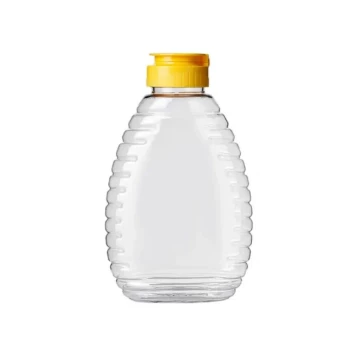
Direct marketing relies heavily on shelf appeal to differentiate products in a crowded marketplace. Superior physical presentation allows producers to overcome market disadvantages and justify premium pricing strategies. It is often the specific variable that grants access to high-end retail networks and international export markets.
Understanding the Trade-offs
Cost vs. Perceived Value
Investing in professional-grade consumables increases the unit cost of production significantly compared to generic bulk containers. The trade-off is that while upfront costs rise, the "visual premium" allows for higher profit margins. Producers must ensure their target market is willing to pay for this added value before over-investing in expensive packaging.
Aesthetic vs. Environmental Impact
While high-quality packaging enhances brand value, excessive or non-recyclable materials can alienate eco-conscious consumers. The references note that packaging acts as a carrier for "brand values such as ecological balance." Therefore, the most effective high-quality packaging must be durable and protective without appearing wasteful or environmentally harmful.
Making the Right Choice for Your Goal
To maximize the impact of your packaging strategy, align your materials with your specific market objectives:
- If your primary focus is Shelf Life and Stability: Prioritize materials with high-hermeticity seals and oxidation barriers to prevent fermentation and flavor loss during long storage.
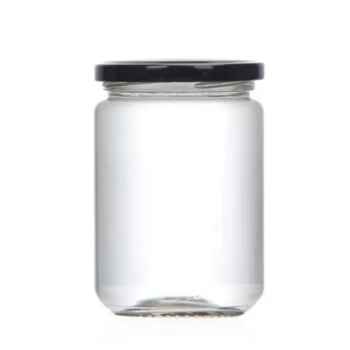
- If your primary focus is Brand Building and Premium Pricing: Invest in aesthetically unique, heavy-weight glass or specialized containers that convey cultural depth and justify a higher price tag.
- If your primary focus is Export and Retail Expansion: Ensure all consumables are certified food-grade and meet international aesthetic standards to bypass regulatory and buyer skepticism.
The packaging you choose is the first promise of quality you make to your customer; ensure it reflects the value of the product inside.
Summary Table:
| Feature | Function in Direct Marketing | Impact on Value |
|---|---|---|
| High-Hermeticity Seal | Prevents moisture absorption & fermentation | Extends shelf life and ensures food safety |
| Oxidation Barrier | Protects delicate floral aromas and flavor | Maintains sensory integrity for premium taste |
| Aesthetic Design | Communicates brand values and ecological story | Justifies premium pricing and retail entry |
| Food-Grade Certification | Ensures compliance with safety standards | Facilitates export and high-end retail access |
Elevate Your Honey Brand with HONESTBEE Professional Solutions
In the competitive honey market, your packaging is the silent ambassador of your quality. HONESTBEE empowers commercial apiaries and distributors with the tools needed to dominate the direct marketing sector. From high-precision honey-filling machines that ensure perfect seals to a vast array of beekeeping equipment and specialized consumables, we provide everything you need to transform raw honey into a premium cultural commodity.
Ready to scale your production and unlock higher profit margins?
Contact HONESTBEE Today to explore our wholesale machinery and packaging solutions tailored for your success.
References
- K. Anil Kumar, D. H. Mitrannavar. Disposal Pattern of Honey in Western Ghats of Karnataka, India. DOI: 10.20546/ijcmas.2020.909.256
This article is also based on technical information from HonestBee Knowledge Base .
Related Products
- Double Nozzle Small Honey Filling Machine Honey Sachet Packing Packaging Equipment
- Small Honey Filling Machine Sachet Packing Equipment Single Nozzle
- Honey Stick Filler Vertical Paste Sachet Packing Machine for Honey Sachets
- Automatic Single-Dose Snap & Squeeze Honey Sachets Packing Machine
- Economy Small Honey Filling Machine Honey Bottle Filler Packaging Machine
People Also Ask
- How does industrial honey-filling machinery support Robinia pseudoacacia stands? Maximize Your Acacia Honey Yield
- What value do retail packaging equipment and filling technologies provide in the honey distribution process? Maximize ROI
- How does specialized honey filling equipment contribute to honey distribution? Scale Your Wholesale Efficiency Today
- How does high-precision honey filling equipment protect honey's biological activity? Safeguard Purity & Premium Value
- What is honey filling equipment used for? Optimize Your Bottling with Precision Automation