The side bars serve as the vertical anchors of a hive frame, connecting the top and bottom components. These bars are designed with a specific thickness that matches the "ears" of the top bar to ensure consistent alignment. Their most critical functional feature is a series of three or four small pre-drilled holes, which are essential for threading wire to secure the wax foundation.
Core Insight: While side bars define the height and shape of the frame, their primary technical function is to act as the tensioning interface for the wiring system, which prevents the heavy wax foundation from collapsing.
Anatomy of the Side Bar
The design of the side bar is dictated by the need to hold the frame together while supporting the internal foundation.
Proportional Thickness
The thickness of the side bar is not arbitrary. It is manufactured to be as thin as the ears of the top bar.
This slim profile ensures that the frame hangs vertically without obstructing the "bee space" between frames, allowing bees to move freely.
Integrated Wiring Holes
The defining feature of a standard side bar is the presence of three or four small holes spaced along its length.
These holes turn the side bar into a structural support system. They allow the beekeeper to thread and tension wire horizontally across the frame.
Vertical Structure
Side (or "end") bars determine the height of the frame. Depending on the hive body depth, these bars establish the vertical dimension (e.g., for a 9 1/8-inch frame).
They form the sides of the rectangle, rigidly connecting the top bar to the bottom bar.
Integration with the Frame Assembly
A side bar cannot be evaluated in isolation; its features are designed to interact with the rest of the frame components.
Connection to the Top Bar
The top bar bears the weight of the frame via its "ears," which rest on the hive box.
The side bars attach just below these ears. Because the side bars match the ear thickness, they maintain a flush profile that prevents the frame from becoming too bulky at the connection points.
Relationship to the Bottom Bar
The bottom bar completes the frame's perimeter.
Typically, the bottom bar is manufactured to be as thin as the side bars. This uniformity minimizes the frame's surface area, reducing the likelihood of bees building excess "burr comb" at the bottom of the frame.
The Trade-offs of Wired Frames
While the side bars are designed for wiring, understanding the implications of this design is critical for effective apiary management.
Complexity vs. Stability
The presence of holes in the side bars implies a trade-off: manual labor for structural stability.
Utilizing the side bar holes to wire a frame requires time and effort to thread and tighten the metal wire.
Foundation Security
However, skipping this step often leads to failure. Without the support of wires threaded through the side bar holes, a wax foundation is prone to warping or falling out of the groove in the bottom bar.
The holes in the side bars provide the only mechanism to create the horizontal tension required to keep the wax flat and centered.
Making the Right Choice for Your Goal
How you utilize the features of the side bars depends on your specific objective in the workshop.
- If your primary focus is frame longevity: Prioritize threading wire through all three or four holes in the side bars to maximize the rigidity of the wax foundation.
- If your primary focus is proper hive geometry: Ensure the side bars are fully seated and flush against the top bar ears; any misalignment here will throw off the spacing of the entire frame.
The side bar is the backbone of the frame's internal support system, turning a simple wooden rectangle into a stable environment for honeycomb construction.
Summary Table:
| Feature | Description | Functional Benefit |
|---|---|---|
| Proportional Thickness | Matches the 'ears' of the top bar | Maintains vertical alignment and essential bee space. |
| Pre-drilled Holes | 3 to 4 small holes spaced vertically | Facilitates horizontal wiring to secure wax foundations. |
| Vertical Structure | Defines frame height (e.g., 9 1/8 inches) | Ensures a rigid connection between top and bottom bars. |
| Flush Integration | Slim profile at connection points | Prevents bulky joints and minimizes burr comb construction. |
Elevate Your Apiary's Structural Integrity with HONESTBEE
High-quality frame components are the foundation of a productive hive. At HONESTBEE, we specialize in providing commercial apiaries and distributors with the full spectrum of professional-grade beekeeping tools and machinery. Whether you need precision-manufactured hive-making machines or wholesale essential consumables, our portfolio is designed to enhance your operational efficiency.
Why partner with HONESTBEE?
- Comprehensive Wholesale Supply: Access everything from specialized hardware to honey-themed cultural merchandise.
- Precision Engineering: Our frames and components are crafted to meet the rigorous demands of large-scale beekeeping.
- Industry Expertise: We understand the unique needs of distributors and commercial operators.
Ready to scale your production? Contact us today to discover how our equipment and wholesale offerings can drive your business forward!
Related Products
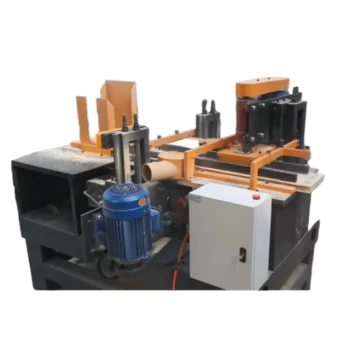
- HONESTBEE Bee Frame Side Bar Forming Machine Precision Engineered for High-Volume Production Bee Frame Machine
- Professional Bee Frame Machine for Side Bar Shaping
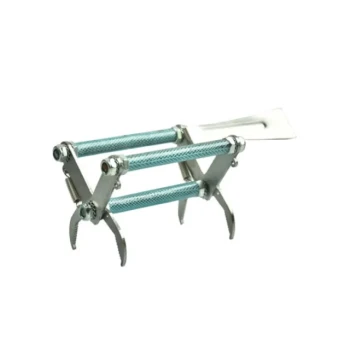
- Professional 3-Bar Frame Grip with Integrated Hive Tool
- Wooden Bee Hive Frames for Beekeeping and Wholesale
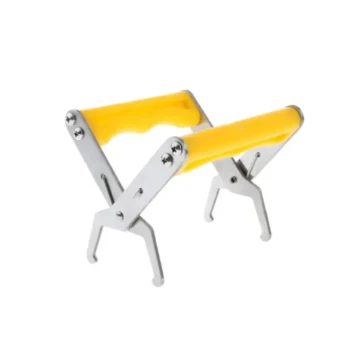
- Professional Galvanized Steel Frame Rest for Beehives
People Also Ask
- What are the qualities of the bee frame forming machine? Durable, Efficient, and Built to Last
- How does a bee frame making machine work? A Guide to Automated Metal Frame Production
- Why is professional beehive frame-making machinery required for large-scale apiary operations? Scale with Precision
- How do professional beehive and frame manufacturing machines contribute to commercial apiary management? Boost Efficiency
- What should be done to the sidebars if wiring the frames? A Guide to Drilling Holes for Maximum Frame Strength