Fundamental beekeeping maintenance relies on five distinct items: protective gear, a hive tool, a bee smoker, feeding supplies, and the physical beehive structure. While operations may vary in size, these five elements constitute the absolute minimum requirement for safely managing a colony and ensuring its health.
Effective beekeeping is less about having the most gadgets and more about mastering the few tools that allow you to interact with the colony safely. This core kit ensures you can inspect, feed, and house your bees without causing unnecessary stress to the hive or injury to yourself.
The Five Pillars of Hive Management
To maintain a healthy apiary, you must address both your safety and the biological needs of the bees. The following five items form the foundation of all beekeeping activities.
1. Protective Gear
Your primary line of defense against stings is your protective clothing. This allows you to work with confidence and calm, which in turn keeps the bees calmer.
Essential accessories include a high-quality veil and gloves. The veil is critical for ensuring a clear line of sight while preventing bee entry; it must attach securely to your suit without gaps.
Gloves are equally necessary but require balance. They must offer enough protection to prevent stings while maintaining enough dexterity to handle delicate hive components without crushing bees.
2. The Hive Tool
Bees seal cracks and attach frames to the hive body using a resinous substance called propolis. This "bee glue" makes it impossible to manipulate the hive with bare hands.
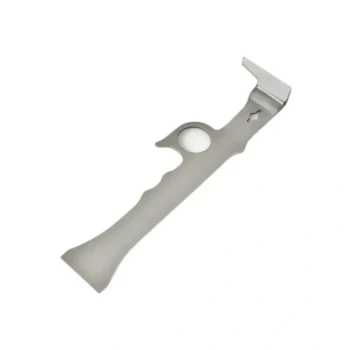
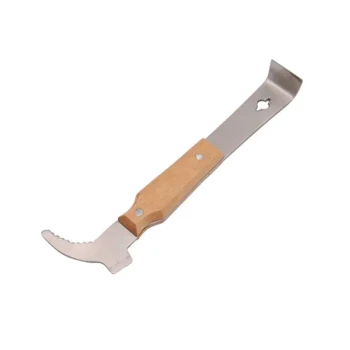
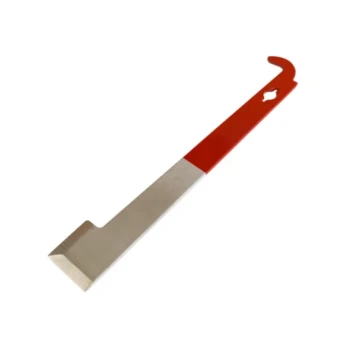
A hive tool is a flat metal bar designed specifically for prying open these sealed boxes. It is also essential for lifting and removing frames during inspections to check for queen health and honey stores.
3. The Bee Smoker
The bee smoker is the primary mechanism for controlling colony behavior during an inspection. It works by masking alarm pheromones and inducing a feeding response in the bees.
Using a smoker helps calm the colony, making them less aggressive and easier to manage. Without this tool, even a routine inspection can become dangerous for both the beekeeper and the bees.
4. Feeding Supplies
Bees cannot always gather enough nectar from the environment, particularly during a "dearth" (a shortage of nectar-producing flowers) or when a new colony is just getting established.
Feeding supplies allow you to distribute sugar syrup to the hive artificially. This intervention is often the difference between a colony starving and one that survives the winter.
5. The Beehive Structure
The beehive is the physical structure where the colony resides. It includes the bottom board, boxes (supers), frames, and covers.
This structure provides the bees with shelter and a standardized place to build comb. For the beekeeper, a standard hive structure allows for the modular expansion of the colony and easy access for maintenance.
Understanding the Trade-offs
While the list of essentials is short, selecting the specific versions of these tools involves inevitable trade-offs.
Dexterity vs. Protection
When selecting gloves, you face a choice between thick leather and thinner materials. Thick gloves offer maximum sting protection but significantly reduce tactile sensitivity.
Reduced sensitivity can lead to clumsy handling, potentially crushing bees or rolling the queen, which can agitate the hive more than necessary. Thinner gloves improve handling but increase the risk of stings.
Gear Maintenance vs. Durability
Protective gear is not a "buy once and ignore" item. Regular maintenance is vital for the gear's lifespan.
Suits must be washed and inspected for wear and tear. A single small hole in a veil or glove compromises the safety of the entire suit. You must be prepared to replace damaged gear promptly rather than risking a breach during a hive inspection.
Making the Right Choice for Your Goal
Depending on your immediate objectives, you should prioritize your equipment selection differently.
- If your primary focus is personal safety: Prioritize a high-quality veil and suit with secure closures, accepting that thicker gloves may require slower, more deliberate movements.
- If your primary focus is colony management efficiency: Invest in a comfortable, well-balanced hive tool and master the use of the smoker to minimize colony disruption during inspections.
Mastering these five fundamental items is the first step toward a sustainable and successful apiary.
Summary Table:
| Essential Item | Primary Function | Key Benefit |
|---|---|---|
| Protective Gear | Safety barrier (Veil/Gloves) | Minimizes stings & allows calm hive interaction |
| Hive Tool | Prying & scraping | Breaks propolis seals to manipulate frames |
| Bee Smoker | Behavior control | Masks alarm pheromones to keep the colony calm |
| Feeding Supplies | Nutritional support | Ensures colony survival during nectar dearths |
| Beehive Structure | Physical housing | Provides shelter and modular space for colony growth |
Elevate Your Apiary with Professional-Grade Equipment
At HONESTBEE, we specialize in supporting commercial apiaries and distributors with high-quality, wholesale beekeeping solutions. Whether you are scaling a professional honey production line or stocking a distribution network, our comprehensive portfolio has you covered:
- Precision Machinery: Advanced hive-making and honey-filling machines for industrial efficiency.
- Essential Hardware: Durable hive structures, frames, and specialized tools built for heavy-duty use.
- Industry Consumables: A wide array of essential supplies to keep colonies thriving year-round.
- Cultural Merchandise: Unique honey-themed products to expand your brand's reach.
Ready to enhance your operation's productivity? Contact us today to discuss our wholesale offerings and discover how HONESTBEE can bring unparalleled value to your beekeeping business.
Related Products
- HONESTBEE 15-in-1 Beekeeper Multi-Tool with Hammer and Pliers for Beekeeping
- Stainless Steel J Hook Hive Tool for Beekeeping
- HONESTBEE Advanced Ergonomic Stainless Steel Hive Tool for Beekeeping
- Stainless Steel Queen Grafting Tool for Beekeeping and Bee Queen Grafting
- Ergonomic Plastic Frame Spacer Tool for Rapid Hive Management Beekeeping
People Also Ask
- What is the recommended method for storing beekeeping tools? Expert Vertical Storage Solutions for Your Apiary
- Why is the treatment of beekeeping tools with high-concentration chemical disinfectants necessary for preventing AFB?
- How does a favorable microclimate interact with beekeeping tools? Boost Overwintering Success and Equipment Longevity
- How do specialized beekeeping tools and high-specification protective equipment assist in colony health management?
- Why design beekeeping tools with ergonomics in mind? Empowering All Beekeepers with Inclusive Equipment