The functional superiority of plastic sampling bottles with screw caps stems from their ability to maintain strict environmental isolation for hygroscopic samples. These containers provide an airtight seal that prevents ambient moisture from causing sugar powder to cake, while simultaneously acting as a barrier against cross-contamination. By combining this sealing capability with physical durability, they ensure the Paenibacillus larvae spore load remains undisturbed from the moment of collection at the apiary through cold storage and final laboratory analysis.
Accurate microbiological analysis requires that the sample analyzed in the lab is identical to the sample collected in the field. Plastic screw-cap bottles provide the necessary physical and biological barrier to prevent moisture-induced degradation and external contamination, preserving the validity of your data.
Preserving Physical Consistency
Preventing Moisture Absorption
Sugar powder is naturally hygroscopic, meaning it readily absorbs moisture from the surrounding air. When this occurs, the powder clumps or "cakes," which can complicate sample processing and weighing in the laboratory.
The Role of the Screw Cap
The screw cap mechanism provides a robust, airtight closure that strictly regulates humidity ingress. By locking out environmental moisture, the bottle ensures the sugar powder remains free-flowing and physically stable during transport.
Ensuring Biological Integrity
Eliminating Cross-Contamination
In field studies involving pathogens like Paenibacillus larvae, sample purity is paramount. The airtight seal of these bottles creates a closed system that effectively prevents biological material from migrating between different samples.
Blocking External Microorganisms
Beyond protecting samples from each other, the seal prevents the introduction of non-target environmental microorganisms. This isolation ensures that the biological load analyzed in the lab reflects only the specific variables present at the collection site.
Maintaining Spore Load Accuracy
The ultimate goal of using these containers is to preserve the original state of the Paenibacillus larvae spore load. By stabilizing the environment inside the bottle, you ensure that the quantitative analysis reflects the actual infection levels found in the field.
Durability in Logistics and Storage
Resilience During Transit
Transporting samples from field apiaries to the laboratory often involves rough handling. Plastic containers offer significant impact resistance compared to glass, preventing breakage and the subsequent loss of critical data points.
Stability in Cold Storage
These containers are specifically verified to maintain their structural and sealing integrity during storage at 3°C. This allows researchers to store samples for extended periods without risking seal failure or sample degradation before analysis begins.
Understanding the Trade-offs
Static Electricity Potential
While plastic excels at durability, it is more prone to static electricity than glass. This can occasionally cause fine sugar powder to adhere to the interior walls of the bottle, requiring careful handling during the extraction phase to ensure the total sample mass is recovered.
Sterilization Constraints
Plastic offers excellent single-use utility, but it generally has lower thermal resistance than glass. If your protocol requires autoclaving containers for reuse, you must verify that the specific polymer used in the bottle can withstand high heat without warping and compromising the screw-cap seal.
Making the Right Choice for Your Project
Selecting the correct sampling vessel is a balance between field durability and laboratory precision.
- If your primary focus is field logistics: Prioritize these plastic bottles for their impact resistance, ensuring no samples are lost during transport from remote apiaries.
- If your primary focus is long-term storage: Rely on the verified seal integrity at 3°C to batch your samples without fear of moisture ingress or spoilage over time.
- If your primary focus is quantitative accuracy: Leverage the airtight screw cap to prevent caking, ensuring the spore load remains homogenous and easy to process.
The integrity of your container defines the integrity of your research; choose the vessel that guarantees the sample arriving at the microscope is the same one that left the hive.
Summary Table:
| Feature | Advantage for P. larvae Sampling | Benefit to Researcher |
|---|---|---|
| Airtight Screw Cap | Prevents moisture ingress & caking | Maintains sample flow and weighing accuracy |
| Physical Durability | Impact-resistant plastic construction | Eliminates breakage risk during field transport |
| Environmental Seal | Blocks cross-contamination | Ensures spore load reflects true hive conditions |
| Thermal Stability | Maintains seal integrity at 3°C | Allows for reliable long-term cold storage |
| Material Weight | Lightweight and stackable | Reduces logistics costs for large-scale apiary trials |
Secure Your Apiary Research with HONESTBEE Professional Equipment
At HONESTBEE, we understand that the precision of your laboratory results begins in the field. As a leading global supplier for commercial apiaries and distributors, we provide the specialized tools and equipment necessary to maintain the highest standards of honeybee health monitoring.
Whether you are a commercial beekeeper managing large-scale operations or a distributor looking to supply the industry with top-tier consumables, HONESTBEE offers a comprehensive wholesale portfolio. Our range includes:
- High-Precision Tools & Machinery: From hive-making to honey-filling systems.
- Industrial Consumables: Durable sampling vessels and essential hardware for pathogen monitoring.
- Cultural Merchandise: Honey-themed goods for specialized market segments.
Partner with HONESTBEE today to streamline your beekeeping logistics. Contact our expert team now to receive a customized quote on wholesale equipment and ensure your data integrity from hive to lab.
References
- Stefano Bassi, Elena Carra. Powdered Sugar Examination as a Tool for the Assessment of Paenibacillus larvae Infection Levels in Honey Bee Colonies. DOI: 10.3389/fvets.2022.853707
This article is also based on technical information from HonestBee Knowledge Base .
Related Products
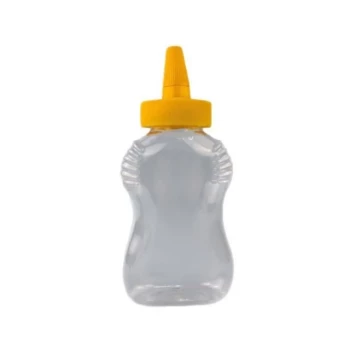
- Ergonomic Squeezable Honey Bottle with Precision Twist Nozzle Cap
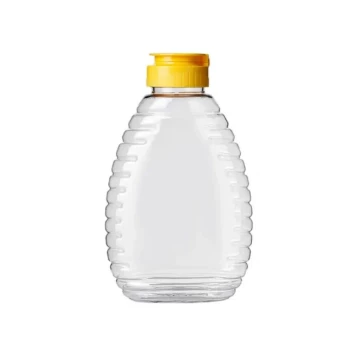
- Squeezable No-Drip Beehive-Shaped Honey Jars with Flip-Top Cap
- Classic Beehive Honey Bottle Jar with Squeeze Dispenser Lid
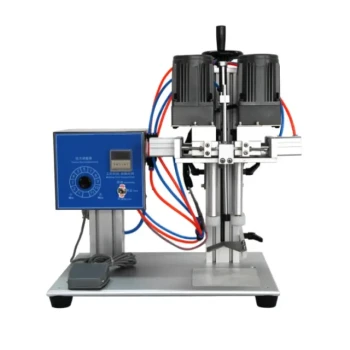
- Semi-Automatic Pneumatic Bottle Capping Machine by HONESTBEE
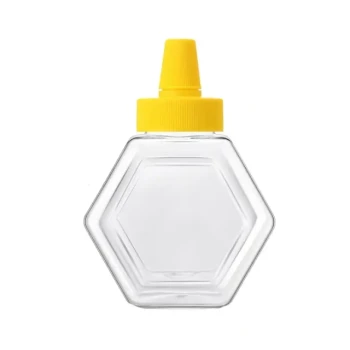
- Hexagonal Squeeze Honey Bottle with No Drip Lid
People Also Ask
- What are the benefits of squeeze bottles for honey packaging? Unlock Mess-Free Convenience & Control
- How should honey bottles be prepared before pouring honey into them? The #1 Rule for Honey Longevity
- What are the features of honey bottles? Design for Convenience & Long-Term Preservation
- What are the features and benefits of using honey bottles for packaging? Optimize Preservation and Consumer Experience
- How do honey bottles contribute to the preservation of honey products? Secure Quality and Commercial Value