Successful overwintering relies on matching resources to environmental demand. In warm climates, honey bee colonies typically require 40 to 60 pounds of honey to survive the winter. In cold climates, this requirement increases significantly to 80 to 100 pounds due to the higher energy costs of thermoregulation.
Core Insight: The margin for error in overwintering calculations is narrow. While precise weight targets exist for different zones, the safest strategy is to always err on the side of leaving more honey than strictly necessary to prevent starvation.
Climate-Specific Requirements
Guidelines for Warm Climates
In regions with milder winters, the energy required for the colony to maintain its internal temperature is lower. Consequently, the caloric demand is reduced.
For these environments, a target of 40 to 60 pounds of stored honey is generally sufficient. Visually, this volume of honey roughly fills one deep hive box.
Guidelines for Cold Climates
Harsh winters impose a severe metabolic tax on the colony, as bees must vibrate their wing muscles to generate heat. This constant exertion burns through carbohydrate reserves rapidly.
To ensure survival in these conditions, colonies need between 80 and 100 pounds of honey. Beekeepers should expect this to occupy approximately two deep boxes.
Adjusting for Colony Size
Requirements for Smaller Populations
The total mass of honey required is not solely dictated by temperature; the biomass of the colony itself is a factor. A smaller population consumes fewer resources, though they may struggle more with heat retention.
For smaller colonies consisting of 6 to 10 frames of bees, the honey requirement drops to a range of 30 to 50 pounds. However, precise monitoring is critical here, as smaller clusters have less buffer against resource depletion.
Understanding the Trade-offs
The Risk of Starvation vs. Surplus
The primary risk during winter is starvation, not obesity. There is virtually no downside to leaving a colony with "too much" honey, whereas the penalty for leaving too little is the total loss of the colony.
Avoiding "Optimistic" Estimates
It is a common pitfall to estimate stores based on the best-case weather scenario.
If a winter is unusually long or cold, a colony on the lower end of the weight requirement will starve before the first bloom. Therefore, the "minimum" requirement should be viewed as a survival threshold, not a target.
Making the Right Choice for Your Location
Determining the correct amount of winter stores requires assessing your specific geography and the physical size of your colony.
- If you are located in a warm climate: Ensure your hive has 40 to 60 pounds of honey, which typically fills one deep box.
- If you are located in a cold climate: Provision the hive with 80 to 100 pounds of honey, usually requiring two deep boxes to hold the necessary volume.
- If you are managing a smaller colony (6–10 frames): Aim for a baseline of 30 to 50 pounds, but monitor them closely as spring approaches.
Your goal is to provide a sufficient energy buffer that allows the colony to manage its internal temperature without reaching the point of resource exhaustion.
Summary Table:
| Climate / Colony Type | Honey Requirement (lbs) | Equivalent Storage Volume | Key Survival Strategy |
|---|---|---|---|
| Warm Climate | 40 - 60 lbs | 1 Deep Hive Box | Lower metabolic demand |
| Cold Climate | 80 - 100 lbs | 2 Deep Hive Boxes | High thermoregulation cost |
| Small Colony (6-10 frames) | 30 - 50 lbs | < 1 Deep Hive Box | Monitor closely in spring |
| General Rule | N/A | Always err on the side of surplus | Buffer against long winters |
Maximize Your Colony Survival with HONESTBEE
Ensure your apiary is prepared for any climate with high-performance equipment from HONESTBEE. As a premier partner for commercial apiaries and distributors, we provide the essential tools and machinery needed to manage overwintering logistics at scale. From durable hive-making machines to optimize your storage capacity, to honey-filling machines and specialized beekeeping hardware, our comprehensive wholesale offering is designed to increase your operational efficiency.
Don't let a harsh winter compromise your productivity. Contact HONESTBEE today to access professional-grade beekeeping tools and industry consumables that safeguard your bees and your bottom line.
Related Products
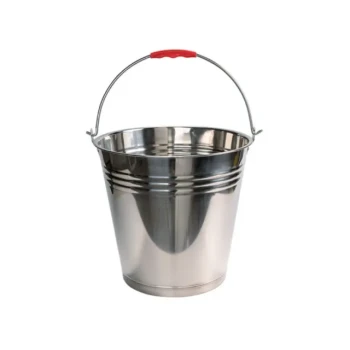
- Premium Stainless Steel Honey Tank Bucket Pail with Reinforced Handle and Polished Finish
- Professional Plastic Honey Dipper for Easy Honey Drizzling
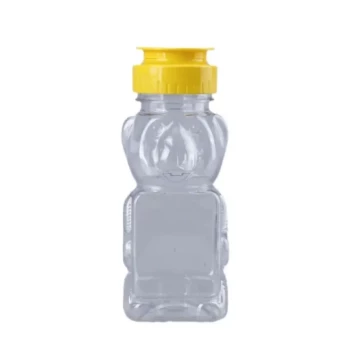
- Classic Honey Bear Jars with Flip Top Dispensing Cap for Liquid Sweeteners
- Economy Small Scale Honey Dryer Dehumidifier Thickening Machine
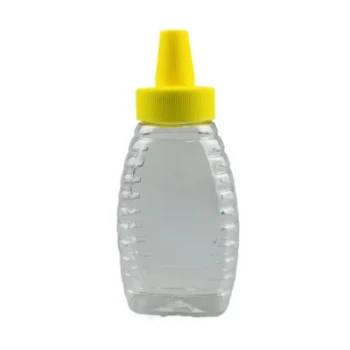
- Classic Beehive Honey Bottle Jar with Squeeze Dispenser Lid
People Also Ask
- What is the best container for honey? Preserve Purity & Flavor with the Right Choice
- What honey container sizes are recommended for specific commercial use cases? Maximize Your Apiary Profits
- What is the best container to store honey in? Preserve Purity & Flavor for Years
- What container can I put honey in? Choose the Best for Purity & Practicality
- What should be considered when choosing a container for honey to ensure effective sealing? Master Honey Packaging Success