The optimal window for harvesting honey is during the early hours of a warm, calm day. This specific timing minimizes interference with the colony, as the foraging bee population within the hive is at its lowest, while the warmth ensures the honey is fluid enough for efficient extraction.
Success in honey harvesting relies on synchronizing your schedule with the colony's natural rhythm and the physical properties of the honey. By working when the hive population is low and the ambient temperature is warm, you drastically reduce colony stress and improve workflow.
Optimizing the Time of Day
Leveraging the Foraging Cycle
The primary objective when opening the hive is to encounter as few bees as possible.
Early in the day is the most effective time to harvest because a significant portion of the colony is out foraging. With fewer bees present in the supers, you can remove frames more quickly and with less disruption to the hive's social order.
Ensuring a Smooth Workflow
Harvesting during the morning hours provides a practical logistical advantage.
Starting early gives you ample daylight to process the frames, clean equipment, and return the "wet" supers to the hive if necessary. It prevents the rush that often leads to mistakes or accidents during the extraction process.
The Role of Environmental Conditions
The Necessity of Warmth
Temperature is not just a comfort factor; it is a mechanical necessity for extraction.
You should always choose a warm day for harvesting. Warmth lowers the viscosity of the honey, allowing it to flow freely from the comb during spinning or crushing. attempting to extract cold honey can result in blown-out combs and significantly increased processing time.
Wind and Weather Stability
The stability of the air is just as critical as the temperature.
Beekeepers should wait for calm weather before opening the hive. Wind can agitate the bees, making them more defensive and difficult to manage, while also making the physical handling of heavy frames more clumsy and dangerous.
Seasonal Considerations
Tracking the Season
While daily timing matters, seasonal timing is the broader context for a successful harvest.
Ideally, harvesting occurs in late summer or early fall, though this is entirely dependent on your local climate and nectar flow. You must monitor the capping of the honey frames to ensure the nectar has been fully dehydrated into ripe honey.
Balancing Harvest and Survival
The most critical seasonal decision is knowing when to stop.
You must harvest early enough in the season to prevent overcrowding, but late enough to accurately gauge winter stores. Never harvest all the honey; you must leave a sufficient surplus to ensure the colony survives the winter months without starvation.
Understanding the Trade-offs
Temperature vs. Temperament
There is often a delicate balance between honey viscosity and bee behavior.
While very hot afternoons make honey flow the fastest, bees can become irritable in extreme heat or during a "dearth" (a lack of nectar). Conversely, cool mornings make bees calmer and more clustered, but the honey will be thick and difficult to extract. The "warm morning" compromise is usually best.
Efficiency vs. Disturbance
Methods like bee blowers are fast but can induce high stress in the colony.
Chemical repellent boards or honey bee escape boards are often better alternatives. Escape boards, in particular, are highly effective and harmless, but they require you to plan ahead and install them day before the actual harvest.
Planning Your Harvest Strategy
To maximize both your yield and the health of your bees, tailor your approach based on your specific conditions.
- If your primary focus is Ease of Extraction: Prioritize the warmest part of the morning to ensure the honey flows smoothly without damaging the comb.
- If your primary focus is Colony Safety: Utilize passive methods like escape boards and harvest strictly when the maximum number of foragers are away from the hive.
- If your primary focus is Winter Survival: Harvest conservatively in late summer, leaving more frames than you think are necessary to buffer against a harsh season.
By respecting the bees' foraging schedule and the physical requirements of the honey, you turn a chaotic chore into a streamlined, efficient operation.
Summary Table:
| Harvesting Factor | Ideal Condition | Key Benefit |
|---|---|---|
| Time of Day | Early Morning | Fewer bees in the hive; minimizes colony disruption. |
| Temperature | Warm / Moderate | Lowers viscosity; honey flows easily from the comb. |
| Weather | Calm / No Wind | Reduces bee agitation; makes frame handling safer. |
| Season | Late Summer / Early Fall | Nectar is fully dehydrated and capped by the bees. |
| Survival Strategy | Leave Winter Stores | Ensures colony health through the colder months. |
Maximize Your Honey Yield with Professional-Grade Solutions
At HONESTBEE, we specialize in empowering commercial apiaries and distributors with the tools needed for a high-efficiency harvest. Whether you are looking for automated honey-filling machines, precision hive-making hardware, or a consistent supply of beekeeping consumables, our comprehensive wholesale offering has you covered.
From industrial-grade machinery to honey-themed cultural merchandise, we provide the hardware and expertise to scale your operations. Let us help you streamline your workflow and protect your colony's health.
Contact HONESTBEE Today for a Wholesale Consultation
Related Products
- Professional Honey Uncapping Roller for Efficient Harvesting
- All-Stainless Steel Pivoting Honey Uncapping Fork for Beekeeping
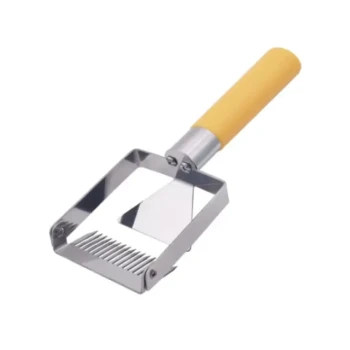
- Stainless Steel Pivoting Honey Uncapping Fork with Plastic Handle
People Also Ask
- What other tools are available for honey uncapping besides knives? Find the Right Tool for Your Apiary's Scale
- What are the methods of uncapping honey? A Guide to Tools for Efficient Harvests
- What tools are available for uncapping honey? A Guide to Choosing the Right Tool for Your Operation
- What tools can be used to uncap honey cells? Expert Guide to Efficient Honey Extraction Equipment
- What are the essential tools for uncapping honey frames? Choose the Right Tool for Your Apiary