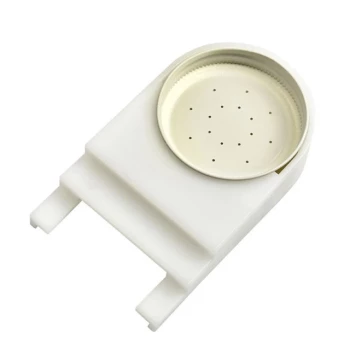
The most definitive signal that it is time to stop feeding your bee colony is when the bees begin leaving food in the feeder.
This lack of consumption indicates their reliance on your supplemental support has decreased. You should remove the feeder once you observe this disinterest combined with increased natural foraging activity and a visibly stronger, established colony.
Feeding is a temporary measure intended to support the colony only until it is self-sufficient. Once the bees have established capped honey reserves and have access to natural nectar sources, the feeder is no longer necessary.
Primary Signs of Colony Independence
The Feeder Remains Full
The clearest behavioral indicator is a lack of interest in the provided food.
If you inspect the hive and find the sugar syrup levels remain high or untouched, the bees are prioritizing natural sources.
Strengthening of the Colony
Feeding is primarily for colonies that are not yet established or are struggling.
As the population grows and the colony "establishes itself," their collective ability to forage increases.
Visible Foraging Activity
Watch the entrance of the hive.
When you see a significant increase in bees leaving and returning with resources, it signals that the colony can sustain itself through natural means.
Seasonal Considerations for Feeding
Spring: Establishing the Base
When starting a new colony in the spring, feeding has a specific endpoint.
You should continue feeding only until the bees have built up a supply of capped honey.
Once this reserve exists and natural nectar sources are blooming and available, you must stop feeding.
Fall: Assessing Winter Stores
In the autumn, the decision to feed depends entirely on the colony's inventory.
You must assess how much honey the bees have successfully stored for the winter.
If stores are low, feeding is necessary to bridge the gap; if stores are ample, feeding is superfluous.
Understanding the Trade-offs
Sugar Syrup vs. Natural Honey
While sugar syrup can save a starving colony, it is legally and nutritionally distinct from honey.
Sugar syrup is an inferior substitute for the bees' own produced honey.
The Cost of Over-Harvesting
A common mistake is harvesting too much honey and attempting to replace it with syrup.
It is generally better practice to leave the bees with ample honey for the winter rather than harvesting aggressively and forcing them to rely on low-quality substitutes.
Making the Right Choice for Your Goal
To ensure the health of your apiary, apply these principles based on your current objective:
- If your primary focus is establishing a new colony: Stop feeding once they have capped honey stores and natural nectar is available in the environment.
- If your primary focus is winter survival: Consult a local beekeeping club for precise storage recommendations for your area, and feed only if their current honey stores fall short.
- If your primary focus is colony health: Prioritize leaving their natural honey in the hive over harvesting, utilizing feeders only as an emergency temporary measure.
Trust the bees' behavior; when they ignore the feeder, they are telling you they are ready to work on their own.
Summary Table:
| Indicator | Description | Action Required |
|---|---|---|
| Feeder Status | Sugar syrup remains untouched or levels stay high. | Remove feeder to prevent spoilage. |
| Foraging Activity | Increased traffic at hive entrance with pollen/nectar. | Monitor natural resource availability. |
| Honey Reserves | Presence of significant capped honey stores in the hive. | Stop supplemental feeding immediately. |
| Colony Growth | Rapid increase in bee population and comb building. | Transition to self-sufficiency phase. |
Maximize Your Apiary's Success with HONESTBEE
At HONESTBEE, we understand that timely management is the secret to a thriving apiary. Whether you are a commercial beekeeper or a distributor, we provide the high-quality beekeeping tools, machinery, and essential consumables you need to support your colonies from initial feeding to professional honey extraction.
From advanced honey-filling machines to durable hive-making hardware, our comprehensive wholesale offerings are designed to enhance your efficiency and yield. Let us help you scale your operations with specialized equipment tailored for the modern industry.
Ready to upgrade your equipment? Contact HONESTBEE Today to explore our full product range and see how our expertise can drive your business forward.
Related Products
- In-Hive Dual Compartment Frame Bee Feeder for Targeted Colony Nutrition
- Classic Boardman Entrance Bee Feeder Hive Front Feeding Solution
- HONESTBEE Entrance Bee Feeder Efficient Hive Front Liquid Feeding Solution for Beekeeping
- White Plastic 0.5L Beekeeping Entrance Feeder for Bees
- Modern Flat-Mount Hive Number Set for Beekeeping
People Also Ask
- What are the advantages of using a frame feeder for bee colonies? Boost Growth and Prevent Robbing Efficiently
- Why should sugar syrup or dry sugar not be left out in the open when feeding bees? Avoid a Dangerous Feeding Frenzy
- What precautions should be taken when feeding bees inside the hive? Safeguard Your Colony from Robbing and Leaks
- How do in-hive feeders support honey bee colonies during autumn? Ensure Overwintering Success for Your Apiary
- How do high-quality in-hive feeders assist in managing bee colonies during pesticide contamination? Protect Your Apiary