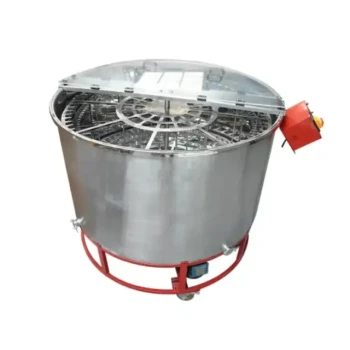
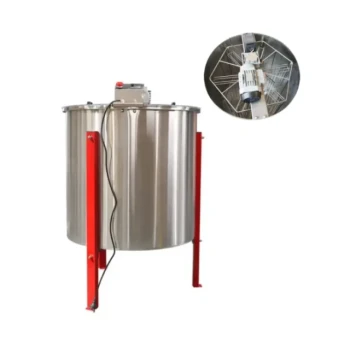
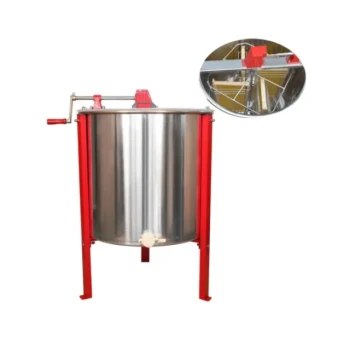
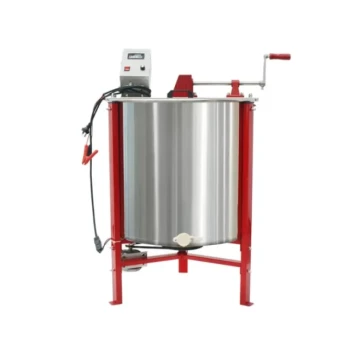
To clean a honey extractor effectively, start by manually removing debris before introducing any water. Begin by scraping out large pieces of wax and honey cappings from the interior. Next, tip the extractor on its side with the honey gate closed to allow the remaining honey to pool for easy collection.
The initial phase of cleaning is actually about conservation. By allowing gravity to pool the remaining honey overnight, you minimize waste and make the subsequent washing process significantly less sticky and labor-intensive.
Maximizing Yield Before Washing
Removing Physical Debris
Before you worry about sticky surfaces, you must address solid waste. Scrape out any large pieces of wax or honeycomb cappings left behind during extraction. This prevents drains from clogging and makes the liquid removal process smoother.
The Gravity Method
Once the solids are gone, tip the extractor onto its side. Ensure the honey gate or valve is firmly closed before doing this. This position forces the residual honey running down the walls to gather in a single pool.
Patience Pays Off
Do not rush to rinse the unit immediately. Allow the honey to settle in this tipped position for several hours or even overnight. This waiting period allows you to capture the "final flow"—honey that would otherwise be washed down the drain.
Transitioning to the Wash
Collecting the Final Dregs
After the honey has pooled, open the gate to collect this bonus yield. Only after you have saved this usable honey should you begin the actual washing process.
Managing Sticky Residue
Beeswax is notoriously difficult to remove when cold. When you move to the rinsing stage, use warm water to wipe down surfaces. The heat helps soften the wax, making it easier to wipe away compared to cold water.
Common Pitfalls to Avoid
Rushing the Rinse
A common mistake is introducing water while significant amounts of honey remain in the drum. This creates a diluted, sticky mess that is harder to clean and results in wasted harvest. Always drain fully before wetting the unit.
Ignoring Component Disassembly
While a surface wipe is faster, it may leave residue in hidden crevices. For a comprehensive clean, you may need to disassemble and clean parts individually. However, this increases the time and complexity of the job.
Making the Right Choice for Your Goal
- If your primary focus is maximizing harvest yield: Allow the extractor to sit tipped overnight to collect every last drop before cleaning.
- If your primary focus is a quick turnaround: Skip the overnight settle and use a towel soaked in warm water to wipe the surface immediately after scraping debris.
Properly draining your extractor prevents waste and sets the stage for a hassle-free deep clean.
Summary Table:
| Step | Action | Key Benefit |
|---|---|---|
| 1. Scrape | Manually remove wax and cappings | Prevents drain clogs and reduces mess |
| 2. Tip | Tilt extractor with gate closed | Pools residual honey for easy collection |
| 3. Settle | Wait several hours or overnight | Minimizes waste and captures the 'final flow' |
| 4. Drain | Open gate to collect pooled honey | Maximizes total harvest yield |
| 5. Rinse | Use warm water to wipe surfaces | Softens beeswax for easier removal |
Scaling Your Apiary Operations with HONESTBEE
Maintaining your equipment is just the first step toward a successful harvest. At HONESTBEE, we empower commercial apiaries and distributors with high-performance beekeeping solutions designed for efficiency and durability.
Whether you need industrial-grade honey-filling machines, precision hive-making machinery, or a steady supply of wholesale beekeeping tools and consumables, we provide the hardware and expertise to grow your business. From specialized extraction equipment to honey-themed cultural merchandise, we are your comprehensive industry partner.
Ready to upgrade your production? Contact us today to discover how our wholesale offerings can streamline your honey processing and boost your bottom line.
Related Products
- HONESTBEE 72 Frame Industrial Electric Honey Extractor for Beekeeping
- Commercial Electric 12 Frame Honey Extractor Spinner Motorized Honey Extractor
- HONESTBEE 3-Frame Manual Acrylic Honey Extractor
- electric honey extractor honey centrifuge 3 frame honey extractor stainless steel honey frame extractor
- HONESTBEE 6 Frame Self Reversing Electric Honey Extractor for Beekeeping
People Also Ask
- What is the importance of balancing honeycomb frames within a honey extractor? Ensure Stability and Protect Machinery
- How is honey separated from the frames after they are uncapped? Efficient Extraction Methods for High Yields
- What are the main benefits of using a honey extractor? Maximize Yields and Protect Your Honeycomb
- What are the recommended methods for removing honey from the honeycomb? Top Extraction Techniques for Maximum Efficiency
- How do manual honey extractors compare to electric honey extractors? Choosing the Right Tool for Your Apiary Growth