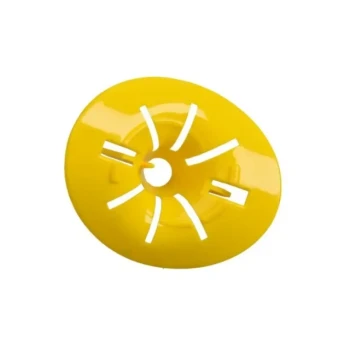
The primary design requirement for an effective Amorpha fruticosa pollen trap is the precise optimization of the aperture size and grid structure. To successfully harvest this high-protein source for colony supplementation or commercial use, the trap’s physical barrier must be strictly dimensioned to the specific size of the pollen grains, ensuring efficient collection without injuring the bees.
Core Takeaway: The efficiency of the trap is determined by how well the aperture geometry matches the specific dimensions of Amorpha fruticosa pollen. A precise fit maximizes the harvest of high-quality, monofloral pollen while preventing physical harm to the foraging workforce.
The Mechanics of Pollen Collection
The Physical Barrier
The trap functions as a specialized hardware component installed directly at the beehive entrance. It forces returning foragers to navigate through a core component featuring a grid of drilled holes or mesh.
Mechanical Stripping
As the bee passes through these specific apertures, the device creates a mechanical interference. This action gently strips the pollen pellets from the bee's hind legs.
Collection and Storage
Once dislodged, the pollen falls through a screen into a designated collection drawer or tray below. This isolation protects the harvest from hive debris and allows for the collection of clean, raw samples.
Optimizing for Amorpha fruticosa
Precision Aperture Sizing
The most critical design variable is the diameter of the holes in the grid. The aperture must be calibrated relative to the specific dimensions of Amorpha fruticosa pollen grains.
Ensuring Monofloral Purity
Because Amorpha fruticosa is a rich, consistent protein source, the trap design must target this specific pollen type. Precision in the grid structure helps ensure the collection of high-purity, monofloral pollen suitable for commercial consumables or identifying chemical composition.
Material Consistency
Traps can be constructed from wood or plastic, provided the material maintains structural rigidity. The grid must not warp, as inconsistent hole sizes will compromise the trap's selectivity and efficiency.
Operational Efficiency
Engagement Mechanisms
Effective designs often include a mechanism to easily engage or disengage the barrier. This allows beekeepers to activate the trap only during peak foraging windows (typically 6:00 AM to 11:00 AM) to maximize yield.
Safety-First Architecture
The design must be non-destructive. High-efficiency traps are engineered to intercept the pollen load without harming the insect.
Understanding the Trade-offs
Harvest Volume vs. Colony Health
A trap designed for maximum efficiency can inadvertently starve the colony if left unchecked. While you need to collect pollen for winter feed reserves, you must ensure the colony retains enough resources for immediate development.
Aperture Tolerance Risks
There is a fine line in aperture design. If the holes are too small, you risk damaging the bees' legs or wings as they struggle to enter. If the holes are too large, the specific Amorpha fruticosa pellets may slip through, rendering the trap ineffective.
Making the Right Choice for Your Goal
To select or design the correct trap, align the hardware specifications with your specific apiary objectives.
- If your primary focus is Commercial Production: Prioritize traps with rigid, precise grids to ensure high-purity, monofloral pollen that meets consumer standards.
- If your primary focus is Colony Supplementation: Focus on traps with easy disengagement mechanisms to balance harvesting winter reserves with the colony's daily nutritional needs.
Precision in design translates directly to the health of your bees and the quality of your harvest.
Summary Table:
| Design Feature | Specification for Amorpha fruticosa | Benefit to Beekeeping |
|---|---|---|
| Aperture Size | Calibrated to specific grain dimensions | Ensures high stripping efficiency without bee injury |
| Grid Material | Rigid Wood or Plastic | Prevents warping to maintain monofloral purity |
| Mechanism | Engage/Disengage Lever | Allows for targeted harvesting during peak morning windows |
| Collection Tray | Screen-protected Drawer | Isolates clean, raw pollen from hive debris and contaminants |
Maximize Your Harvest with HONESTBEE Precision Equipment
At HONESTBEE, we understand that commercial success in beekeeping depends on the precision of your tools. Whether you are a commercial apiary focusing on colony supplementation or a distributor seeking high-quality industry consumables, we provide the hardware you need. From specialized hive-making and honey-filling machines to precision-engineered pollen traps, our portfolio is designed to enhance your operational efficiency.
Partner with HONESTBEE today to access:
- Comprehensive wholesale offerings of premium beekeeping tools.
- Durable machinery designed for high-volume commercial production.
- Expertly crafted consumables and honey-themed cultural merchandise.
Ready to upgrade your apiary’s performance? Contact us today to explore our full spectrum of equipment!
References
- Edita Štefanić, Marija Edita Šolić. Common indigobush and its significance for beekeeping in the Republic of Croatia. DOI: 10.1080/0005772x.2005.11099652
This article is also based on technical information from HonestBee Knowledge Base .
Related Products
- 30 cm Plastic Entrance Hole Bee Pollen Trap and Collector
- Removable Plastic Pollen Trap With Ventilated Tray for Bees Pollen Collector
- Plastic Bee Pollen Trap Strips Comb Catcher Collector
- High-Efficiency Diamond Maze Bee Escape for Clearing Supers
- Professional Bucket Style Wasp and Moth Pheromone Trap
People Also Ask
- What are the design principles and advantages of pollen traps in the collection of bee pollen? Boost Your Apiary Yield
- Why is frequent harvesting of bee pollen from traps necessary for quality control? Ensure Freshness and Prevent Mold.
- How often should bee pollen be harvested from a trap and why? Master Freshness and Prevent Spoilage
- What function do pollen traps serve in quantitative collection? Boost Your Apiary's Data & Production Efficiency
- What is the primary function of bee pollen traps? Optimize Your Pollen Harvest with Advanced Extraction Efficiency