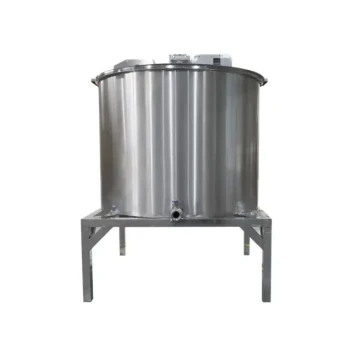
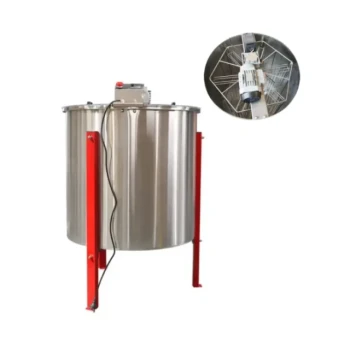
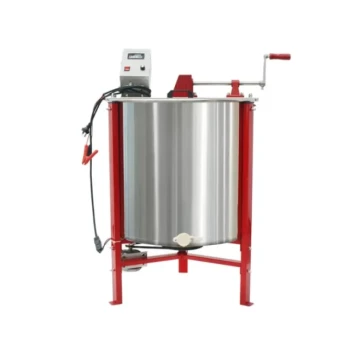
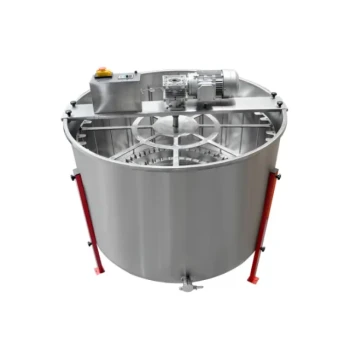
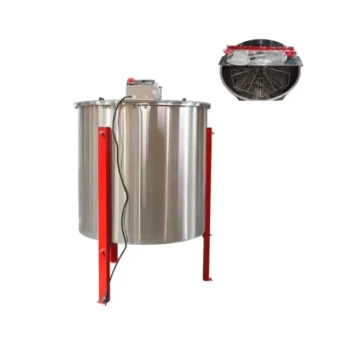
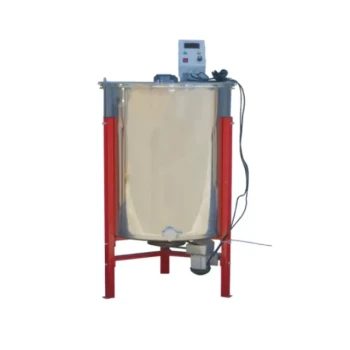
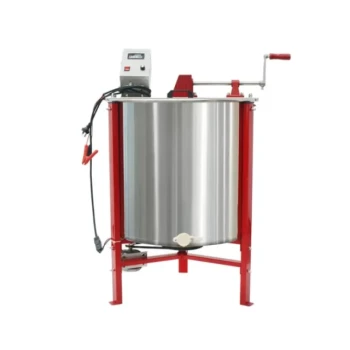
Electric honey extractors are defined by their ability to automate volume processing through motor-driven mechanics. The key operational parameters that determine their performance are capacity (handling between 2 to over 72 frames), automation (replacing manual labor with consistent motor rotation), and rotational speed (rapid spinning to maximize yield).
Core Takeaway Electric extractors are the critical pivot point for beekeepers transitioning from hobbyist to commercial scale. By automating the spinning process, they trade higher upfront costs for a massive increase in efficiency, allowing for the processing of hundreds of frames with minimal physical exertion.
Key Operational Parameters
The following parameters dictate how an electric extractor functions and how it fits into your workflow.
Frame Capacity and Scalability
The most distinct parameter of an electric extractor is its volume potential. While manual units top out at roughly 8 frames, electric models span a massive range, accommodating anywhere from 2 to 100 frames in a single cycle.
This scalability is designed to match your apiary size. A 72-frame unit, for example, is engineered for large-scale operations where throughput is the priority.
Automation and Motor Efficiency
The defining feature of these units is the electric motor, which eliminates the need for manual cranking. This automation ensures a smoother, more consistent operation compared to hand-powered models.
By removing the physical labor, the beekeeper conserves energy and can focus on other tasks, such as uncapping the next batch of frames while the current batch spins.
Speed and Extraction Time
Electric extractors utilize rapid spinning motions to pull honey from the comb. The motor delivers high rotational speeds that are difficult to sustain manually, resulting in a cleaner extraction and drier comb.
While they are faster, they still offer good speed control. This allows the operator to start slowly to prevent comb blowout and ramp up to full speed for final extraction.
Frame Orientation (Radial vs. Tangential)
Operational efficiency is also dictated by how frames are placed inside the drum. Electric extractors generally support two configurations: tangential or radial.
In radial placement (common in larger electric units), frames sit like spokes on a wheel, allowing both sides to extract simultaneously. Tangential placement requires flipping the frames mid-cycle but is often found in smaller electric units.
Material Construction
To support the high speeds and heavy loads of automated spinning, these units are almost exclusively built from stainless steel. This ensures durability and food safety, whereas manual units may occasionally use food-grade plastic.
Understanding the Trade-offs
While electric extractors offer superior efficiency, there are operational considerations and risks to weigh against the benefits.
Cost vs. Volume
The primary barrier is cost. Electric extractors represent a higher financial investment compared to manual models. This expense is only operationally justifiable if your hive count is growing or already at a medium-to-large scale.
Maintenance and Complexity
With automation comes increased complexity. Unlike a simple hand crank, electric units require you to regularly check electrical components to ensure reliability.
Operational Safety
The high torque and speed of an electric motor introduce safety hazards. Operators must ensure the unit is perfectly stable before use to prevent wobbling or tipping.
Furthermore, because these are powered devices, you must use a grounded outlet and strictly keep hands and loose clothing away from moving parts during operation.
Making the Right Choice for Your Goal
Selecting the right extractor depends on where you are in your beekeeping journey.
- If your primary focus is scaling a growing apiary: Look for a stainless steel electric extractor with a capacity of 12-20 frames to balance cost with the time saved on labor.
- If your primary focus is maximum commercial throughput: Invest in a large-capacity (72+ frames) radial extractor to minimize downtime and maximize the volume of honey processed per hour.
The right electric extractor turns the bottleneck of harvesting into your most efficient workflow.
Summary Table:
| Operational Parameter | Key Feature | Impact on Efficiency |
|---|---|---|
| Frame Capacity | 2 to 100+ Frames | Determines throughput for small to commercial scales |
| Automation | Electric Motor Drive | Eliminates manual labor; allows multitasking during extraction |
| Speed Control | Variable RPM | Maximizes honey yield while preventing comb damage |
| Orientation | Radial vs. Tangential | Radial allows simultaneous two-sided extraction for speed |
| Construction | Stainless Steel | Ensures food safety and durability under high torque |
Scale Your Honey Production with HONESTBEE
Transitioning from hobbyist to commercial beekeeping requires the right machinery. At HONESTBEE, we specialize in supporting commercial apiaries and distributors with a comprehensive range of high-performance beekeeping tools. From large-capacity radial electric extractors to specialized honey-filling machines and hive-making hardware, we provide the industrial-grade equipment you need to maximize your yield.
Ready to upgrade your workflow? Contact us today to explore our wholesale offerings and see how our premium equipment can drive your business growth.
Related Products
- HONESTBEE 72 Frame Industrial Electric Honey Extractor for Beekeeping
- Commercial Electric 12 Frame Honey Extractor Spinner Motorized Honey Extractor
- 32 Frame Commercial Electric Honey Extractor for Beekeeping and Honey Production
- Electric 4 Frame Tangential Honey Extractor
- electric honey extractor honey centrifuge 3 frame honey extractor stainless steel honey frame extractor
People Also Ask
- What is the importance of balancing honeycomb frames within a honey extractor? Ensure Stability and Protect Machinery
- How is honey separated from the frames after they are uncapped? Efficient Extraction Methods for High Yields
- What are the main benefits of using a honey extractor? Maximize Yields and Protect Your Honeycomb
- What are the recommended methods for removing honey from the honeycomb? Top Extraction Techniques for Maximum Efficiency
- How do manual honey extractors compare to electric honey extractors? Choosing the Right Tool for Your Apiary Growth