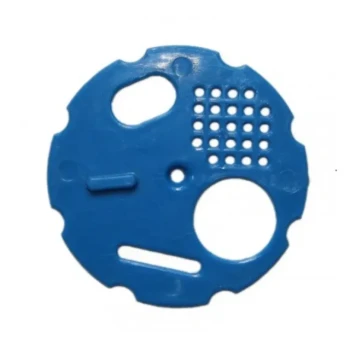
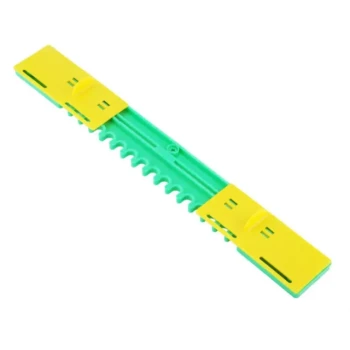
The primary benefit of an entrance reducer is to grant the colony greater control over its physical security and internal climate. By limiting the size of the hive opening, this simple device allows bees to defend their resources against predators and robbing insects more effectively, while simultaneously aiding in the regulation of temperature and airflow.
By narrowing the hive's entryway, an entrance reducer conserves the colony's energy. It shifts the balance of power in favor of the bees, allowing them to maintain a stable internal climate and defend their resources with fewer guards.
Enhancing Colony Security
Strengthening Defense Against Robbers
For weaker colonies, the threat of "robbing"—where bees from other hives steal honey—is significant. An entrance reducer shrinks the defensible area, making it difficult for intruder bees to overwhelm the colony.
Deterring Pests and Predators
The device acts as a physical barrier against larger pests. It helps prevent mice, which seek warmth in winter, and other predators from entering the hive and damaging the comb or consuming resources.
Optimizing Workforce Allocation
A smaller entrance requires fewer guard bees to secure it effectively. This efficiency frees up a larger portion of the colony's population to focus on other critical tasks, such as foraging for nectar or tending to the brood.
Stabilizing the Internal Environment
Regulating Temperature
Honey bees must work hard to maintain specific internal temperatures. An entrance reducer minimizes heat loss, particularly during cooler months or chilly nights, reducing the energy the bees must expend to keep the brood warm.
Controlling Airflow and Ventilation
While ventilation is necessary, uncontrolled drafts can be detrimental. The reducer helps the colony manage airflow, preventing excessive wind from entering while still allowing for the necessary exchange of air to reduce moisture buildup.
Understanding the Common Pitfalls
Risk of Overheating
While beneficial in cool weather, leaving a reducer on the smallest setting during the peak heat of summer can stifle ventilation. This may force bees to "beard" on the outside of the hive to cool down, indicating they cannot regulate the internal temperature effectively.
Traffic Congestion
During a heavy nectar flow, a reduced entrance can create a bottleneck. If hundreds of foragers are returning simultaneously, a small opening will slow down the intake of resources, reducing the colony's overall productivity.
Material Limitations
Wooden reducers are standard, but they are not foolproof against determined rodents. Mice can sometimes chew through wood; for areas with heavy rodent pressure, a metal mouse guard is a more effective specific solution than a standard wooden reducer.
Making the Right Choice for Your Goal
Whether you should use a reducer—and which orientation you choose—depends entirely on the current state of your colony and the season.
- If your primary focus is protecting a new or weak colony: Use the smallest opening to prevent robbing and conserve the small cluster's heat.
- If your primary focus is winterizing: Reduce the entrance to minimize drafts and exclude mice, ensuring the opening is positioned to allow moisture to escape.
- If your primary focus is maximizing summer honey production: Remove the reducer or use the largest opening to prevent traffic jams and allow maximum ventilation.
The entrance reducer is not a "set it and forget it" tool; it is a throttle you adjust to help your bees manage their energy and security.
Summary Table:
| Benefit Category | Primary Advantage | Impact on Colony |
|---|---|---|
| Security | Reduces entry size | Makes it easier for fewer guard bees to defend against robbers and wasps. |
| Pest Control | Physical barrier | Deters mice and larger predators from entering the hive for warmth or food. |
| Thermal Regulation | Minimizes drafts | Conserves heat during winter and cool nights, reducing energy expenditure. |
| Resource Management | Optimizes workforce | Frees up bees from guard duty to focus on foraging and brood rearing. |
| Climate Stability | Airflow control | Prevents moisture buildup while maintaining stable internal humidity levels. |
Elevate Your Beekeeping Success with HONESTBEE
Are you looking to scale your apiary or restock your distribution business? At HONESTBEE, we specialize in providing high-quality solutions for commercial apiaries and distributors. From precision-engineered hive-making and honey-filling machines to durable hardware and essential consumables, our comprehensive wholesale offering ensures your operations run at peak efficiency.
Our expertise in the full spectrum of beekeeping tools means we provide more than just equipment—we provide the reliability and value your business needs to thrive. Contact us today to discuss our wholesale pricing and discover how HONESTBEE can support your growth with our premium industry portfolio.
Related Products
- Steel Round Disc Entrance Reducer for Flexzion Bee Hive Nuc Box Gate
- Beehive Entrance Reducer Guardian Metal Hive Entrance for Bees
- HONESTBEE Entrance Bee Feeder Professional Hive Nutrition Solution for Beekeeping
- Beehive Entrance Discs Plastic Bee Entrance Disc for Bee Hives
- Professional Hive Front Entrance Bee Feeder
People Also Ask
- What is the purpose of an entrance reducer for a beehive? Strengthen Colony Defense and Prevent Robbery
- Why are entrance reducers used to counter hornet infestations? Protect Your Hive with Strategic Choke Points
- Why is it critical to maintain a smaller entrance for a newly established bee hive? Boost Colony Growth and Security
- Under what conditions should a beekeeper adjust the size of a beehive entrance? Seasonal & Defense Management Tips
- What is the function of an entrance reducer on a beehive? Strengthen Colony Defense and Climate Control