The primary disadvantages of 8-frame hives stem from issues regarding stability, cost, and equipment availability. Because each box holds less volume than the standard 10-frame equivalent, you must purchase and stack more boxes to support a full-sized colony. This results in a taller, potentially unstable hive structure and complicates the logistics of sourcing compatible components.
While 8-frame equipment offers weight advantages, it requires a trade-off in stability and management efficiency. You will likely spend more money on woodenware and spend more time manipulating boxes to achieve the same honey yields as a standard setup.
Structural and Environmental Risks
The "Chimney Effect" and Tipping
To provide the same internal volume as a standard hive, an 8-frame hive must grow vertically. This results in a much taller, narrower stack of boxes compared to a 10-frame configuration.
Vulnerability to Weather
This increased height-to-width ratio makes the hive significantly less stable. In windy conditions or storms, 8-frame hives are at a much higher risk of tipping over unless they are heavily weighed down or strapped secure.
Economic and Sourcing Implications
Higher Initial Investment
You cannot simply buy the same number of boxes as you would for a 10-frame setup. Because you need more boxes to achieve the same total volume for the brood and honey, your upfront costs for woodenware will be higher.
Limited Availability of Components
The 10-frame hive is the industry standard, meaning 8-frame equipment is less developed and less widely available. Not every supplier stocks 8-frame inventory, forcing you to rely on specific vendors.
Difficulty Finding Accessories
Specialized tools and add-ons are often designed primarily for 10-frame dimensions. You may find it difficult to source compatible pollen traps, top feeders, and other specific accessories for an 8-frame footprint.
Understanding the Operational Trade-offs
Increased Handling During Inspections
While the individual boxes are lighter, there are simply more of them to manage. A comprehensive hive inspection requires you to lift, move, and restack a greater number of boxes to reach the bottom brood chamber.
Inefficiency During Honey Harvest
The workflow for removing honey can be more tedious. To harvest the same poundage of honey, you must clear bees from, transport, and extract more individual frames and boxes than you would with standard equipment.
Making the Right Choice for Your Goal
While the downsides are significant, the choice often comes down to physical ability versus logistical efficiency.
- If your primary focus is reducing physical strain: The 8-frame hive is likely the better choice, as the lighter individual box weight outweighs the inconvenience of a taller stack.
- If your primary focus is budget and standardization: Stick to 10-frame equipment to minimize costs and ensure you can find parts and accessories at any beekeeping supply shop.
Select the equipment that matches your long-term physical capabilities, even if it requires more management in the short term.
Summary Table:
| Feature | 8-Frame Hive Disadvantage | Impact on Operation |
|---|---|---|
| Stability | Taller, narrower vertical profile | Higher risk of tipping in wind/storms |
| Cost | More boxes required for same volume | Increased initial investment in woodenware |
| Availability | Not the industry standard | Harder to source accessories and parts |
| Labor | More boxes to lift and inspect | Increased handling time per hive inspection |
| Harvesting | More frames per lb of honey | Less efficient extraction workflow |
Scale Your Apiary Efficiently with HONESTBEE
Choosing the right hive configuration is critical for long-term profitability and operational ease. At HONESTBEE, we specialize in supporting commercial apiaries and distributors with a comprehensive wholesale offering designed to streamline your beekeeping business.
Whether you need standardized 10-frame equipment or specialized machinery, we provide:
- Premium Hive Components: Durable woodenware and hardware built for professional use.
- Advanced Machinery: High-efficiency honey-filling and hive-making machines to scale your production.
- Complete Supply Chain: From essential consumables to honey-themed cultural merchandise.
Don't let equipment limitations slow your growth. Contact HONESTBEE today to discover how our wholesale solutions and industry expertise can optimize your apiary's performance.
Related Products
- Rapid Bee Feeder White Plastic 2L Round Top Feeder for 8 or 10-Frame Bee Hives
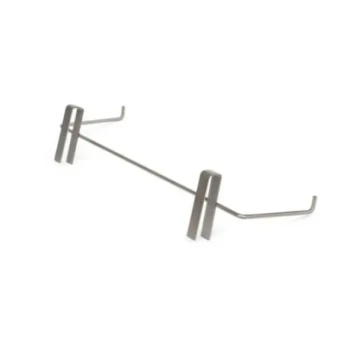
- Heavy-Duty Stainless Steel Frame Perch
- Durable Plastic Frame Spacer
- Wooden Bee Hive Frames for Beekeeping and Wholesale
- Plastic Bee Frame Beekeeping Hive Frames for Wholesale
People Also Ask
- What should be done with feeders and equipment after feeding bees? Essential Steps for Apiary Health
- What should be done if feed in a feeder is not consumed by the bees? Prevent Hive Mold with Prompt Feed Management
- What is the necessity of specialized internal or entrance feeders? Secure Your Hive with Professional Feeding Tools
- How do bee feeders work to preserve colony health during nectar shortages? Essential Guide for Beekeepers
- How quickly does a medium to strong colony usually empty a feeder? A Beekeeper's Guide to Hive Health