Sodium hypochlorite and ammonia function through distinct biochemical pathways to neutralize resistant pathogens, specifically targeting the structural integrity of Nosema spores. Sodium hypochlorite (0.5%) acts primarily through strong oxidation, whereas ammonia (1.65%) neutralizes spores by altering osmotic pressure, leading to the disruption of the spore wall structure.
Core Insight: Effective decontamination relies on compromising the physical defenses of the pathogen. By utilizing oxidation or osmotic variance, these agents breach the protective walls of spores, ensuring biological safety for robust apiary equipment without degrading the material.
The Science of Decontamination
Sodium Hypochlorite: The Oxidative Agent
The primary mechanism for sodium hypochlorite (0.5% solution) is strong oxidation.
When applied to beekeeping equipment, it chemically attacks the organic material of pathogens.
This oxidative stress breaks down the protective barriers of organisms, effectively neutralizing resilient threats like Nosema spores.
Ammonia: The Osmotic Disruptor
Ammonia (1.65% solution) operates on a different physical principle.
It functions by significantly altering the osmotic pressure surrounding the pathogen.
This rapid shift in pressure forces a destabilization of the cellular environment, causing the spore wall structure to rupture or collapse, rendering the pathogen non-viable.
Strategic Application in the Apiary
Creating a Defense Barrier
Using these chemical agents establishes an external defense barrier for the operation.
By sterilizing equipment, you physically block transmission routes.
This prevents the movement of pathogens between different colonies or apiary sites, which is critical for stopping cross-infection.
Targeting Specific Threats
These mechanisms are not just for general cleaning; they are specific countermeasures against durable biological threats.
They effectively eliminate pathogens, parasite eggs, and molds.
This includes preventing the spread of common but devastating bee diseases such as foulbrood.
Understanding the Trade-offs
Surface Compatibility
While potent, these chemicals are specifically recommended for non-polished surfaces of beekeeping tools and machinery.
They are formulated to purify these robust materials without causing damage.
However, care should be taken when applying them to delicate or highly polished finishes, as the chemical interaction may differ.
Precision in Concentration
The effectiveness of these mechanisms relies heavily on using the correct concentrations (0.5% for hypochlorite and 1.65% for ammonia).
Deviating from these specific ratios may reduce the ability to penetrate spore walls or, conversely, risk damaging the equipment.
Making the Right Choice for Your Goal
To maintain high hygiene standards and reduce colony mortality, apply these agents based on your specific operational needs:
- If your primary focus is neutralizing Nosema spores: Rely on the spore-wall disruption capabilities of these specific concentrations to penetrate the pathogen's natural defenses.
- If your primary focus is equipment longevity: Restrict the use of these strong chemical agents to non-polished tools and machinery to ensure sterilization does not compromise material integrity.
Systematic sterilization of operational tools is the technical safeguard that transforms beekeeping from a game of chance into a managed science.
Summary Table:
| Disinfectant | Concentration | Mechanism of Action | Target Pathogens | Surface Compatibility |
|---|---|---|---|---|
| Sodium Hypochlorite | 0.5% | Strong Oxidation | Nosema spores, bacteria, molds | Non-polished surfaces |
| Ammonia Solution | 1.65% | Osmotic Pressure Alteration | Spore wall disruption, parasites | Non-polished tools/machinery |
Elevate Your Apiary Hygiene Standards with HONESTBEE
Protecting your commercial apiary requires more than just cleaning—it demands scientifically-backed sterilization. At HONESTBEE, we empower commercial beekeepers and distributors by providing the industry's most robust beekeeping tools, honey-filling machinery, and essential consumables designed to withstand rigorous decontamination protocols.
Whether you need specialized equipment for large-scale production or wholesale beekeeping supplies that ensure colony health, we offer the technical solutions to transform your operation into a managed science. Secure your investment and prevent cross-infection today.
Contact HONESTBEE for Wholesale Inquiries & Equipment Solutions
References
- Giovanni Formato, Mariano Higes. Nosemosis Prevention and Control. DOI: 10.3390/app12020783
This article is also based on technical information from HonestBee Knowledge Base .
Related Products
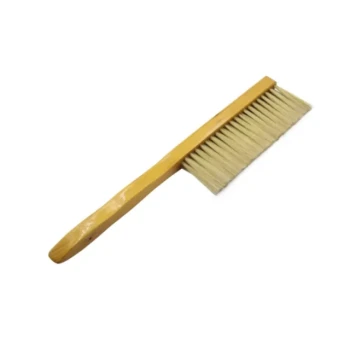
- Double Row Artificial Fiber Bee Brush for Beekeeping
- Wooden Bee Brush with Triple Row Artificial Fiber for Beekeeping
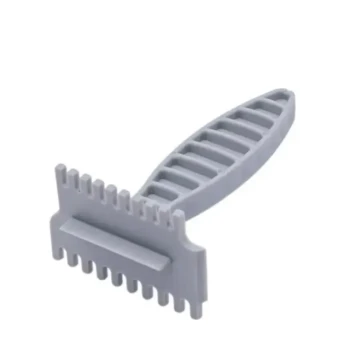
- Lightweight Durable Plastic Queen Excluder Scraper for Beekeeping
- Professional Long-Handled Silicone Honey Scraper for Beekeeping
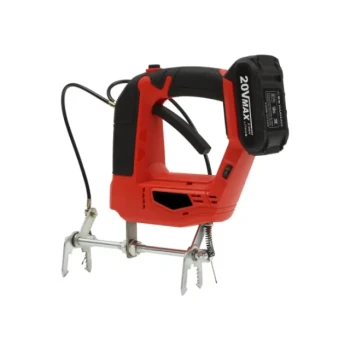
- High Performance Cordless Electric Bee Shaker for Beekeeping
People Also Ask
- What specific function does a professional beekeeping brush serve during the honey harvesting process? Enhance Hive Health
- What are the key features of a popular bee brush? Essential Design for Bee Safety and Hive Hygiene
- Why is a bee brush necessary when extracting honeybee hive frames that contain larvae? Protect Your Brood and Colony
- What is the correct way to use a bee brush and what actions should be avoided? Master Gentle Hive Management
- What is a bee brush and what is it used for? Master Precision Bee Removal with Gentle Sweeping Techniques