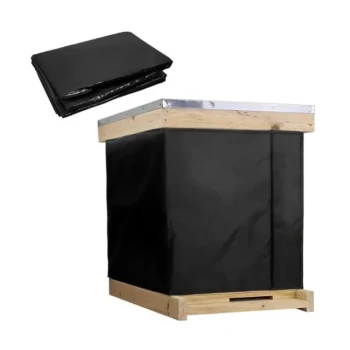
Improper insulation forces a honeybee colony into a state of chronic emergency, significantly lowering its chances of winter survival. When a hive lacks adequate thermal protection, the colony suffers from rapid depletion of food reserves, elevated mortality rates due to physical exhaustion, and a costly diversion of labor toward emergency structural repairs rather than vital foraging.
The danger of poor insulation isn't just the cold itself; it is the unsustainable energy cost of fighting it. When heat escapes, the metabolic burden on the bees spikes, draining their fuel and stamina until the cluster can no longer maintain the warmth required for life.
The Metabolic and Physical Toll of Heat Loss
The primary defense of a honeybee colony is its ability to generate heat, maintaining a core temperature between 24 and 34 degrees Celsius. When the hive hardware fails to retain this heat, the consequences cascade through the colony's biology.
Rapid Depletion of Winter Reserves
Bees function as a biological furnace, consuming carbohydrates to generate metabolic heat.
When insulation is insufficient, heat escapes rapidly, forcing the colony to consume honey stores at an accelerated rate to compensate.
If the rate of heat loss exceeds the colony's stored energy reserves, the bees will starve before spring, even if they successfully fought off the cold for months.
Physiological Stress and Mortality
Generating heat is not a passive activity; it requires intense physical exertion from the bees in the cluster.
Poor insulation increases the metabolic burden on individual bees, causing significant physical stress.
This constant exertion weakens the bees, shortening their lifespans and leading to increased mortality rates within the hive, which shrinks the cluster size precisely when density is needed most.
Operational Distraction
In a drafty or poorly insulated hive, the colony perceives the structural flaws as an immediate threat.
Bees are forced to prioritize sealing cracks with propolis to stop air leaks, rather than engaging in foraging or other essential maintenance tasks.
This detracts from the colony's overall productivity and limits their ability to gather resources when weather permits.
Understanding the Trade-offs: Heat vs. Humidity
While the goal is to keep the colony warm, insulation must be applied with an understanding of hive physics. A common mistake is focusing solely on temperature while ignoring air quality.
The Moisture Trap
Bees exhale moisture as they metabolize honey. In a hive that is insulated but lacks optimized ventilation, this moisture can become trapped.
If the internal temperature fluctuates, this moisture condenses on the cold inner surfaces and drips back onto the bees.
A wet cluster loses heat significantly faster than a dry one; therefore, insulation must prevent heat loss without sealing the hive so tightly that it creates a "sweat box."
The Vulnerability of Weak Colonies
A massive, healthy colony can often generate enough heat to overcome poor hardware in moderately cold climates.
However, small or weakened colonies lack the population density to manage the internal environment through muscle power alone.
For these vulnerable hives, superior insulation is the only factor allowing them to remain active enough to reach their food stores.
Making the Right Choice for Your Goal
Winter management is about balancing resource conservation with environmental control. Your approach to insulation should depend on the specific condition of your apiary.
- If your primary focus is maximizing survival rates for small clusters: Prioritize high-quality, heavy insulation, as these colonies lack the biological mass to generate sufficient heat on their own.
- If your primary focus is conserving honey stores: Ensure the hive has superior thermal retention properties to lower the colony's metabolic rate and reduce their fuel consumption.
By effectively managing the hive's thermal properties, you transform winter from a struggle for survival into a period of efficient dormancy.
Summary Table:
| Impact Category | Consequences of Poor Insulation | Long-term Outcome |
|---|---|---|
| Energy Reserves | Accelerated consumption of honey stores to generate heat | Starvation before spring |
| Bee Health | High metabolic burden and physical exhaustion | Increased mortality & smaller cluster size |
| Productivity | Labor diverted to sealing cracks with propolis | Reduced foraging and maintenance efficiency |
| Environment | Risk of moisture condensation and damp clusters | Rapid heat loss and colony collapse |
Secure Your Apiary's Winter Survival with HONESTBEE
Don't let poor insulation compromise your commercial success. At HONESTBEE, we empower commercial apiaries and distributors with the high-performance tools and equipment needed to protect your colonies through the harshest winters. From specialized hive-making machinery to essential industry consumables, our comprehensive wholesale offering ensures your business has the competitive edge.
Our Value to You:
- Precision Engineering: Access professional-grade beekeeping hardware and honey-processing machines.
- Scalable Solutions: Benefit from our wide array of wholesale consumables tailored for large-scale operations.
- Industry Expertise: Leverage our portfolio of honey-themed merchandise and equipment to grow your brand.
Ensure your bees thrive—contact us today to discuss our wholesale beekeeping solutions.
Related Products
- Professional Insulated Winter Hive Wrap for Beekeeping
- Professional Insulated Plastic Bee Hives
- Inner Beehive Cover for Beekeeping Bee Hive Inner Cover
- Stainless Steel Round Beehive Air Vents for Ventilation
- Metal Hive Feet Bee Hive Stand for Ant Protection
People Also Ask
- What are the steps to properly wrap a beehive for winter? Ensure Your Colony Survives the Cold
- When is the best time to wrap a beehive for winter? A Guide to Perfect Winterization Timing
- How do professional insulation wraps provide protection for bee colonies? Optimize Winter Survival & Energy Efficiency
- What are the technical benefits of using winter wraps for beehive insulation? Boost Colony Survival & Hive Health
- What are the benefits of using insulated covers for hives? Ensure Colony Survival and Health