Queen excluders introduce specific physical and operational challenges that can complicate colony management if not carefully monitored. The primary disadvantages involve disrupting the hive's natural behavior, potentially injuring bees, and creating hive congestion that may trigger swarming or reduce honey production.
Core Takeaway While effective at segregating the queen, excluders are frequently criticized as "honey excluders" because they create an unnatural barrier. Without vigilant management, they can restrict the colony's upward movement, leading to congested brood nests and reduced foraging efficiency.
Impact on Colony Dynamics and Behavior
The "Honeybound" Brood Nest
One of the most significant risks outlined in beekeeping best practices is the creation of a honeybound hive.
Because the excluder restricts upward movement, worker bees may be reluctant to pass through it to store nectar in the supers. Instead, they backfill the brood chamber with honey, leaving the queen with no room to lay eggs.
Increased Risk of Swarming
The congestion caused by a honeybound brood nest directly impacts colony stability.
When the queen's laying area is restricted and the brood box becomes crowded with honey and pollen, the colony perceives a lack of space. This artificial congestion is a primary trigger for the colony to initiate swarming preparations.
Reluctance to Enter Supers
Beekeepers often refer to these devices as "honey excluders" due to the workers' hesitation to cross the barrier.
This reluctance can result in lower honey yields in the supers above. The colony may have ample resources but fails to utilize the storage space provided because the barrier discourages the natural flow of traffic.
Disruption of Natural Structure
Critics argue that excluders violate the natural philosophy of the hive.
In a wild nest, there are no vertical barriers restricting the queen or the workers. Forcing bees to navigate a grid can alter labor dynamics and negatively influence the overall "morale" and organization of the colony.
Physical Risks to the Bees
Damage to Worker Bees
The design and quality of the excluder play a critical role in bee safety.
Sharp edges, particularly on stamped metal or lower-quality plastic models, can fray or damage the wings of worker bees as they squeeze through. This physical trauma can shorten the lifespan of the foraging force.
Drone Entrapment
Drones are larger than workers and cannot pass through standard queen excluders.
If an excluder is placed above a brood box without ensuring all drones are below it, or if there is an upper entrance they use, drones can become trapped and die trying to escape. Their bodies may clog the excluder, further restricting airflow and movement.
Queen Failure
While rare, excluders are not a guaranteed fail-safe.
Small, undersized queens or newly mated virgin queens can occasionally squeeze through the gaps. This defeats the device's purpose, leading to brood in the honey supers.
Operational and Maintenance Challenges
Burr Comb and Airflow
Bees often bridge the gap between the frame tops and the excluder with wax and propolis, known as burr comb.
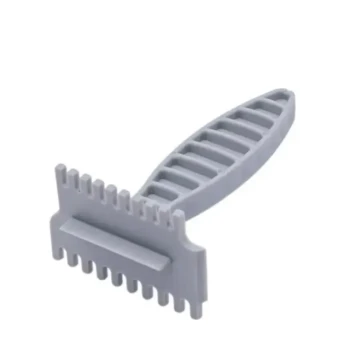
This buildup requires frequent scraping and cleaning. If left unchecked, it can significantly reduce ventilation through the hive, potentially causing overheating in hot weather.
Material-Specific Downsides
The material of the excluder introduces its own set of trade-offs.
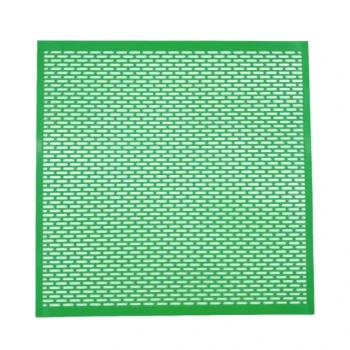
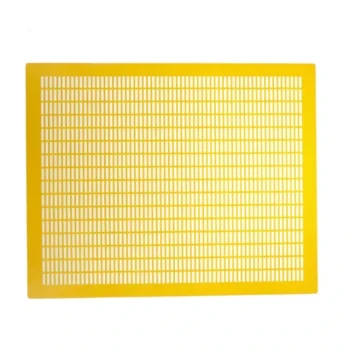
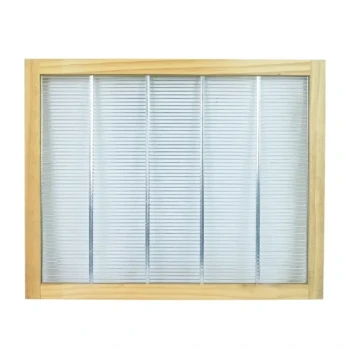
Metal excluders are heavy, more expensive, and can conduct heat or cold into the hive; galvanized versions may eventually rust. Plastic excluders, while cheaper, may warp or have sharper edges from the manufacturing process.
Making the Right Choice for Your Goal
Before installing a queen excluder, weigh these disadvantages against your management style.
- If your primary focus is natural beekeeping: Avoid excluders entirely, as they impose an unnatural barrier that restricts the queen's movement and alters colony structure.
- If your primary focus is maximizing honey production: Monitor the supers closely to ensure bees are not refusing to cross the excluder, which turns it into a "honey excluder."
- If your primary focus is low-maintenance management: Be aware that excluders require regular cleaning of burr comb and vigilant checks to prevent the brood nest from becoming honeybound.
Successful use of a queen excluder requires viewing it not as a "set and forget" tool, but as a management device that demands active supervision to prevent colony stress.
Summary Table:
| Challenge Category | Key Disadvantage | Potential Impact |
|---|---|---|
| Colony Management | Honeybound Brood Nest | Restricts queen laying space, leading to swarming. |
| Honey Production | "Honey Excluder" Effect | Worker reluctance to cross the barrier reduces yields. |
| Bee Health | Physical Damage | Sharp edges can damage wings; drones may become trapped. |
| Hive Maintenance | Burr Comb & Ventilation | Wax buildup requires cleaning and can restrict airflow. |
| Structural Risks | Material Degradation | Plastic may warp; metal versions can rust or conduct heat. |
Maximize Your Apiary's Productivity with HONESTBEE
Don't let management challenges hinder your honey production. At HONESTBEE, we specialize in supporting commercial apiaries and distributors with high-quality, professional-grade beekeeping solutions. From precision-engineered queen excluders and specialized hardware to industrial honey-filling machines and hive-making equipment, we provide the tools you need to minimize bee stress and maximize efficiency.
Whether you are scaling a commercial operation or stocking your distribution business, our comprehensive wholesale portfolio has you covered. Contact us today to discover how our industry-leading supplies and cultural merchandise can add value to your business!
Related Products
- High Performance Plastic Queen Excluder for Beekeeping and Apiary Management
- Professional Plastic Queen Excluder for Modern Beekeeping
- Lightweight Durable Plastic Queen Excluder Scraper for Beekeeping
- Metal Queen Bee Excluder for Beekeeping
- Premium Wood Framed Metal Wire Queen Bee Excluder
People Also Ask
- What are the characteristics of a plastic queen excluder? Key Benefits for Cost-Effective Beekeeping
- What are the operational and cost advantages of using plastic queen excluders over metal or wire excluders in commercial hive management? Discover how they reduce labor, prevent wing damage, and lower total costs.
- What types of queen excluders are available for beekeepers? Choose the Right Tool for Your Hive
- Why are standardized hive frames and queen excluders essential for maintaining honey purity and quality? Scale Your Purity
- Do plastic queen excluders work? A Cost-Effective Solution for Modern Apiaries