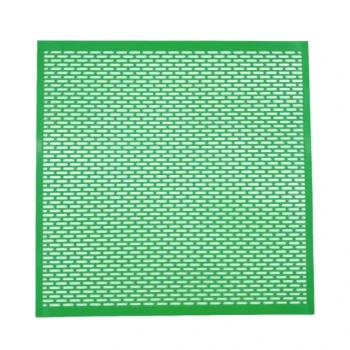
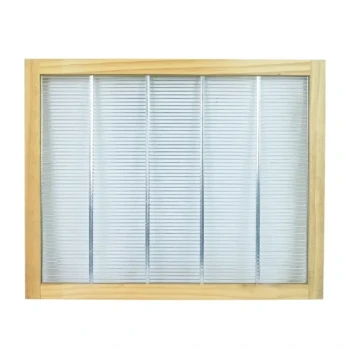
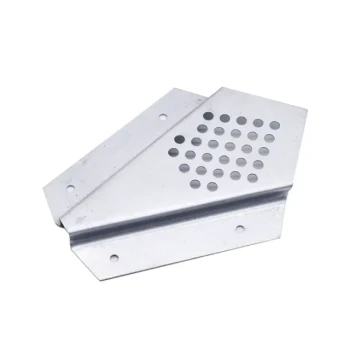
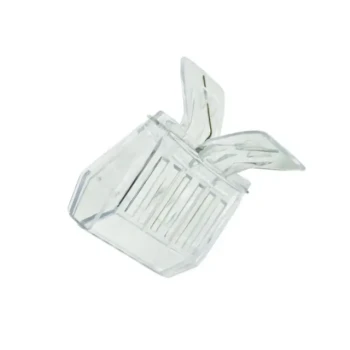
Installing a queen excluder introduces specific mechanical and behavioral risks to the colony that go beyond simple equipment installation. The primary technical challenges include potential physical damage to worker bees' wings from sharp edges and the lethal entrapment of larger drones. Furthermore, if not managed correctly, excluders can alter hive dynamics, causing bees to backfill the brood nest with honey rather than crossing the barrier, which may trigger swarming behaviors.
The central challenge of the queen excluder is that it imposes an artificial physical barrier on a natural system; while it simplifies harvest, it requires precision equipment and active management to prevent colony congestion and physical injury to the bees.
Impact on Colony Flow and Space Management
The "Honeybound" Brood Nest
One of the most significant risks is the creation of a honeybound brood nest. This occurs when worker bees are reluctant to pass through the excluder to store nectar in the supers above.
Instead of moving upward, the bees store excess honey in the brood chamber. This occupies the empty cells the queen needs for laying eggs.
Elevated Swarming Risk
When the brood nest becomes honeybound, the queen runs out of space to lay. This congestion is a primary biological trigger for the colony to swarm.
If the excluder acts as too effective a barrier, you may inadvertently force the colony to split, losing half your bees and your queen.
Restriction of Natural Movement
In a wild setting, a bee colony does not encounter vertical barriers that segregate the queen. Installing an excluder disrupts the natural fluidity of the cluster's movement.
Beekeepers adhering to natural or holistic philosophies often cite this restriction as a fundamental technical drawback, as it forces the colony to adapt to an unnatural hive structure.
Physical Risks and Equipment Quality
Worker Bee Wing Damage
The design and manufacturing quality of the excluder are critical variables. Poorly crafted excluders may have sharp or rough edges on the wires or plastic slots.
As worker bees squeeze through these gaps repeatedly, their wings can suffer tears or abrasion. This physical damage can significantly shorten the lifespan of the foraging force.
Drone Entrapment
Drones (male bees) are larger than worker bees and cannot fit through standard excluder gaps. Consequently, there is a risk of drones becoming stuck and dying while attempting to follow workers or the queen.
Accumulations of dead drones can block ventilation and traffic flow, creating sanitary issues within the hive.
Operational Trade-offs and Maintenance
Maintenance and Clogging
Excluders are not "set and forget" tools; they require regular inspection and cleaning.
Bees will often attempt to close the gaps using wax or propolis (bee glue). If left unchecked, this buildup reduces the open area for traffic, exacerbating ventilation issues and further restricting movement.
The "Reluctance" Factor
Some colonies demonstrate a behavioral reluctance to cross the excluder, viewing it as the hive ceiling. This can result in empty honey supers above the excluder despite a strong nectar flow, stalling production until the bees are coaxed through the barrier.
Making the Right Choice for Your Goal
To mitigate these risks, you must align your equipment choice with your management style.
- If your primary focus is maximizing honey purity: Invest in high-precision, smooth-edged excluders to minimize wing damage and inspect the brood nest frequently to prevent it from becoming honeybound.
- If your primary focus is natural hive behavior: You may choose to forgo the excluder entirely to allow unrestricted movement, accepting the trade-off that the queen may lay brood in your honey supers.
- If your primary focus is swarm prevention: Monitor the brood box diligently for backfilling, as the excluder can rapidly accelerate congestion if the bees refuse to cross it.
Successful use of a queen excluder relies less on the device itself and more on your vigilance in managing the space pressures it creates.
Summary Table:
| Challenge/Risk | Impact on Colony | Mitigation Strategy |
|---|---|---|
| Honeybound Nest | Nectar fills brood cells, restricting queen laying. | Monitor space; ensure bees are crossing the excluder. |
| Swarming Risk | Congestion in the brood chamber triggers swarming. | Frequent inspections; provide ample storage space. |
| Physical Damage | Sharp edges can tear worker wings or trap drones. | Use high-quality, smooth-edged metal or plastic excluders. |
| Traffic Clogging | Propolis and wax buildup restrict bee movement. | Regular cleaning and maintenance of the excluder. |
| Drone Entrapment | Drones die in the gaps, blocking ventilation. | Ensure drones have an alternative exit if needed. |
Maximize Your Honey Harvest with Professional-Grade Equipment
Managing a commercial apiary requires tools that balance efficiency with bee health. At HONESTBEE, we specialize in supporting commercial apiaries and distributors with high-precision beekeeping solutions designed to minimize technical risks like wing damage and colony congestion.
Our value to your business includes:
- Comprehensive Wholesale Offering: A full spectrum of beekeeping tools, machinery, and essential consumables.
- Specialized Hardware: From precision-engineered queen excluders to advanced hive-making and honey-filling machines.
- Industry Expertise: Quality equipment that reduces maintenance and improves colony productivity.
Ready to upgrade your apiary’s performance? Contact us today to explore our wholesale catalog and expert solutions!
Related Products
- High Performance Plastic Queen Excluder for Beekeeping and Apiary Management
- Professional Plastic Queen Excluder for Modern Beekeeping
- Lightweight Durable Plastic Queen Excluder Scraper for Beekeeping
- Metal Queen Bee Excluder for Beekeeping
- Premium Wood Framed Metal Wire Queen Bee Excluder
People Also Ask
- What are the characteristics of a plastic queen excluder? Key Benefits for Cost-Effective Beekeeping
- What are the operational and cost advantages of using plastic queen excluders over metal or wire excluders in commercial hive management? Discover how they reduce labor, prevent wing damage, and lower total costs.
- What types of queen excluders are available for beekeepers? Choose the Right Tool for Your Hive
- Why are standardized hive frames and queen excluders essential for maintaining honey purity and quality? Scale Your Purity
- Do plastic queen excluders work? A Cost-Effective Solution for Modern Apiaries