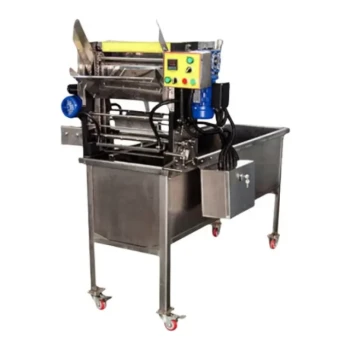
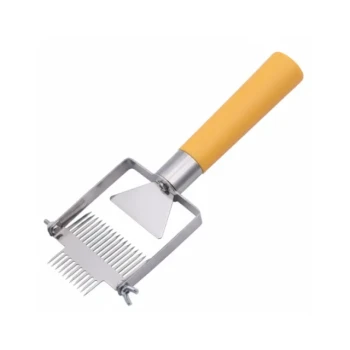
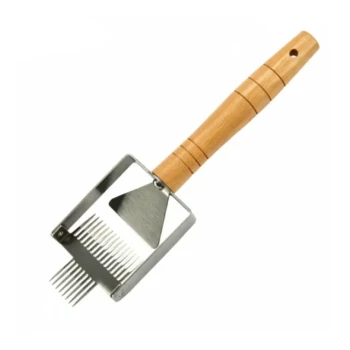
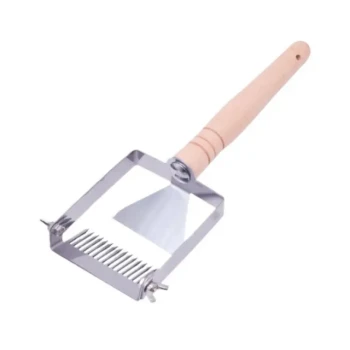
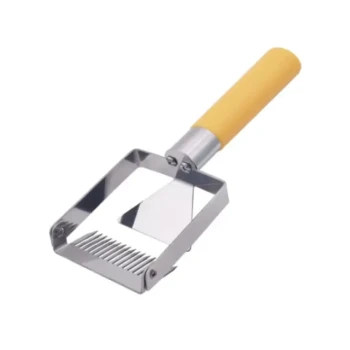
The primary advantage of an automatic honey uncapping machine is its ability to dramatically increase processing efficiency by replacing labor-intensive manual methods. These machines provide a uniform cutting depth across honeycombs, which significantly minimizes honey waste and ensures consistent output. By removing the wax cappings mechanically, this equipment serves as the critical link to achieving a standardized, high-volume honey production line.
By automating the removal of beeswax cappings, producers shift from variable, manual craftsmanship to a streamlined industrial process that maximizes honey yield and frame reusability.
Scaling Production Through Efficiency
Eliminating the Labor Bottleneck
Manual uncapping is often the slowest part of the extraction process. Automatic machines remove this constraint, allowing apiarists to process a much higher volume of frames in a shorter period. This shift is vital for commercial operations where time directly correlates to profitability.
Enhancing Downstream Extraction
The efficiency of the uncapper directly impacts the rest of the production line. By rapidly preparing frames, the machine ensures that the subsequent centrifugal extractors are kept full and running. This prevents improved processing volume at the extraction stage from being stalled by slow uncapping.
Standardization and Quality Control
Achieving Uniform Cutting Depth
One of the most difficult aspects of manual uncapping is maintaining a steady hand. Automatic machines are calibrated to slice through cappings at a precise, fixed depth. This consistency ensures that every frame is treated equally, regardless of operator fatigue.
Minimizing Resource Waste
Precision is key to maximizing yield. By setting the machine to remove only the necessary wax layer, you avoid cutting too deep and wasting valuable honey. This results in a higher recovery rate of the actual product compared to manual methods.
Operational Sustainability
Preserving Honeycomb Integrity
The longevity of your frames is critical for long-term apiary health. Automatic cutters are designed to slice cleanly without the gouging or tearing common with manual forks or knives. Preserving the structural integrity of the comb allows honeybees to reuse the frames immediately, saving them energy in rebuilding wax.
Improved Hygiene and Wax Recovery
Automated systems are often paired with collection tanks to manage the byproduct immediately. This setup allows for the efficient separation and collection of beeswax cappings. It keeps the workspace cleaner and facilitates the recovery of wax as a secondary revenue stream.
Understanding the Trade-offs
Capital Investment vs. Volume
Automatic machines represent a significant financial step up from manual knives or uncapping tanks. For small-scale hobbyists with few hives, the cost of the machine may not be justified by the time saved.
Maintenance Requirements
Unlike a simple heated knife, an automatic machine involves moving parts and potentially steam-heated components. This introduces a requirement for technical maintenance and cleaning to prevent mechanical failure.
Making the Right Choice for Your Operation
Deciding to automate depends largely on the scale of your current production and your future growth targets.
- If your primary focus is commercial scalability: Invest in an automatic machine to standardize your workflow and remove labor bottlenecks.
- If your primary focus is cost minimization: Utilize manual electric knives and uncapping tanks, as the lower volume does not yet justify the overhead of automation.
- If your primary focus is maximizing yield per frame: Use automation to ensure precise cutting depths that preserve honey and comb structure.
Automation is not merely a convenience; it is the strategic pivot point that turns beekeeping into professional honey production.
Summary Table:
| Feature | Manual Uncapping | Automatic Uncapping Machine |
|---|---|---|
| Processing Speed | Low (Labor Bottleneck) | High (Industrial Efficiency) |
| Cutting Precision | Variable (Human Error) | Uniform (Calibrated Depth) |
| Honey Recovery | Moderate Waste | Maximum Yield |
| Frame Integrity | Risk of Tearing | High Preservation |
| Ideal Scale | Hobbyist / Small Scale | Commercial / Industrial |
Elevate Your Honey Production with HONESTBEE
At HONESTBEE, we empower commercial apiaries and distributors with professional-grade solutions. Our high-performance automatic honey uncapping machines and comprehensive processing machinery are designed to eliminate bottlenecks and maximize your profitability.
Whether you are scaling your operation or supplying the industry, we provide the full spectrum of beekeeping tools, specialized hardware, and essential consumables to ensure your success. Partner with HONESTBEE today to transform your honey production with cutting-edge efficiency.
References
- Alíz Feketéné Ferenczi, Andrea Bauerné Gáthy. Economic Sustainability Assessment of a Beekeeping Farm in Hungary. DOI: 10.3390/agriculture13061262
This article is also based on technical information from HonestBee Knowledge Base .
Related Products
- Automatic Honey Frame Uncapper Machine for Beekeeping
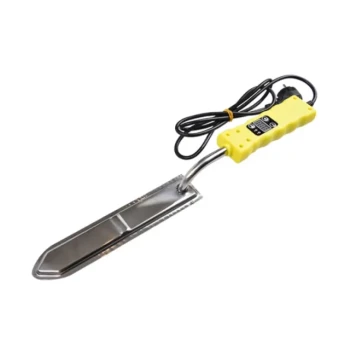
- Professional Electric Honey Uncapping Knife with Heated Digital Temperature Control for Beekeeping
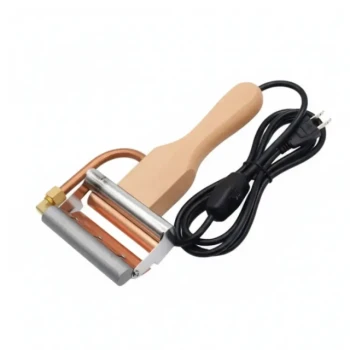
- Electric Adjustable Blade Honey Uncapping Plane
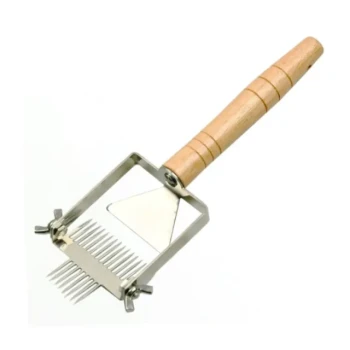
- Professional Honey Uncapping Roller for Efficient Harvesting
- Automatic Single-Dose Snap & Squeeze Honey Sachets Packing Machine
People Also Ask
- What is the primary goal when choosing an uncapping method? Maximize Honey Yield & Comb Integrity
- What is the process of uncapping frames in beekeeping? Master the Best Methods for Maximum Honey Yield
- How are honey frames prepared before extraction? Master the Hive-to-Honey-House Process
- What is the process of uncapping honey frames before extraction? Expert Guide to Efficient Honey Harvesting
- What specialized tools are used to uncap honey frames prior to extraction? Top Uncapping Tools for Efficient Harvesting