Precision Beekeeping technology fundamentally transforms commercial apiary management by integrating sensors and automated systems to monitor colony health and activity in real-time. The primary benefits include a significant reduction in colony mortality through early risk detection, improved annual honey yields, and optimized operational efficiency for large-scale producers.
By shifting from reactive manual inspections to proactive, data-driven decision-making, precision automation allows apiaries to mitigate environmental risks and significantly reduce the labor intensity required to manage high-density operations.
Proactive Health Management and Survival
The most critical advantage of Precision Beekeeping is the ability to maintain colony viability through data.
Real-Time Condition Monitoring
Integrated sensors continuously track internal hive temperature and general bee activity.
This provides immediate visibility into the colony's status without the need for intrusive physical inspections.
Early Risk Detection
Automated monitoring systems are specifically designed to detect risks, such as Varroa mite infestations, at an early stage.
Catching these threats early allows for timely intervention, preventing the rapid spread of disease that often devastates commercial operations.
Reduced Colony Mortality
The cumulative effect of real-time data and early detection is a measurable reduction in overall colony mortality.
By moving away from traditional manual monitoring—which often catches problems too late—apiaries can stabilize their population numbers year-round.
Operational Scalability and Efficiency
For commercial apiaries, particularly those managing over 150 colonies, automation addresses the "deep need" of scalability.
Reducing Labor Intensity
High-density beekeeping traditionally requires immense physical labor.
Increasing the level of mechanization significantly reduces the manual workload, allowing staff to manage more hives with less physical strain.
Environmental Consistency
Industrial-grade equipment ensures consistency in colony management, regardless of diverse climatic conditions.
This infrastructure provides the stability needed to maintain production levels even during significant environmental fluctuations.
Optimizing Yields and Reproductive Quality
Beyond survival, automation directly impacts the economic output of the apiary.
Increased Honey Production
Data-driven decision support leads to significantly improved annual honey yields.
By optimizing colony health, bees are more productive and better prepared for nectar flows.
Enhanced High-Value Products
Professional equipment integrates improved processing for high-value items like royal jelly, propolis, and bee venom.
This ensures quality stability and hygiene, enhancing the apiary's economic competitiveness in specialized markets.
Superior Drone Development
Automatic feeding systems provide consistent syrup and protein supplements during the breeding season.
This nutritional consistency results in drone bees with larger physical size, increased semen volume, and improved sperm motility, thereby strengthening the reproductive competitiveness of the population.
Understanding the Trade-offs
While the benefits are clear, adopting Precision Beekeeping involves distinct challenges that must be weighed against the potential gains.
Capital Investment
Implementing industrial-grade sensors and automated feeding systems requires a significant upfront financial commitment compared to traditional wooden hive setups.
Technical Complexity
Moving to a data-driven model requires a shift in skills; apiary managers must be comfortable interpreting digital data rather than relying solely on intuition.
Infrastructure Dependencies
Reliance on automated systems means that equipment failure or power interruptions can disrupt monitoring and feeding schedules, requiring robust maintenance protocols.
Making the Right Choice for Your Goals
To determine if Precision Beekeeping fits your current operational needs, consider your primary objectives:
- If your primary focus is reducing colony loss: Prioritize sensor integration to detect internal temperature changes and Varroa infestations early.
- If your primary focus is scaling operations: Focus on mechanization and automated feeding systems to reduce labor intensity across large colony counts (>150).
- If your primary focus is genetic improvement: Implement automated nutritional support to ensure superior drone size and reproductive vitality.
Precision Beekeeping is not just a tool for convenience; it is a strategic infrastructure investment that stabilizes production against biological and environmental volatility.
Summary Table:
| Benefit Category | Key Advantage | Impact on Apiary Operations |
|---|---|---|
| Colony Health | Real-time monitoring & early risk detection | Significantly reduces mortality and prevents disease spread. |
| Operational Efficiency | Mechanization & reduced labor intensity | Enables scalability for high-density operations (>150 hives). |
| Economic Output | Optimized yields & high-value processing | Increases honey volume and improves royal jelly/propolis quality. |
| Reproduction | Automated nutritional support | Enhances drone physical size and reproductive competitiveness. |
Transform Your Apiary with HONESTBEE’s Professional Solutions
Transitioning to Precision Beekeeping is a strategic move to safeguard your investment against environmental volatility. At HONESTBEE, we empower commercial apiaries and distributors with the industrial-grade tools needed to scale efficiently. From specialized hive-making and honey-filling machinery to high-performance beekeeping hardware and essential consumables, our comprehensive wholesale portfolio covers your entire production chain.
Ready to boost your yields and reduce labor costs? Contact HONESTBEE today to discover how our automated equipment and expert supply chain solutions can drive your beekeeping business forward.
References
- Yusuf Shehu Folaranmi Gbolahan, Oluwabunmi Oluwaseun Popoola. Mapping the Conceptual Structure of Beekeeping from 1980 to 2020. DOI: 10.5530/jscires.12.1.016
This article is also based on technical information from HonestBee Knowledge Base .
Related Products
- Automatic Honey Filling and Filtering Machine for Beekeeping Bottle Filling
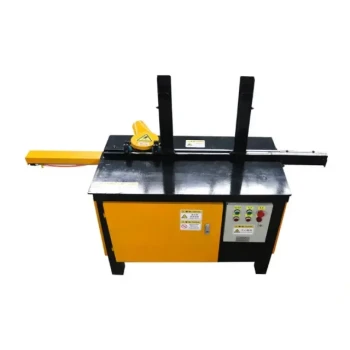
- HONESTBEE Bee Frame Grooving Machine | Precision Slotting for Bee Frame Making
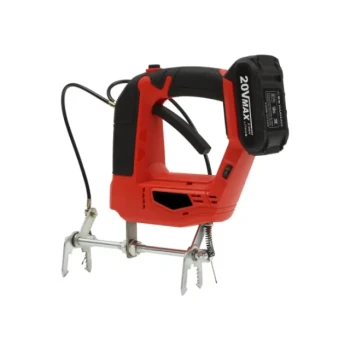
- High Performance Cordless Electric Bee Shaker for Beekeeping
- Automatic Pneumatic Bee Frame Machine for Eyelet Insertion
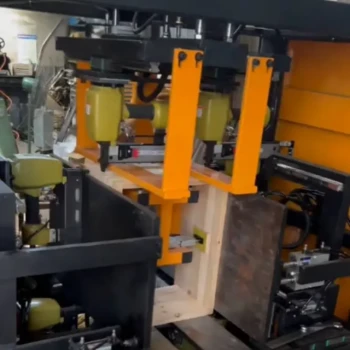
- Automatic High-Speed Bee Hive Box Stapling Machine
People Also Ask
- What process advantages do professional honey filtering and filling machines provide? Optimize Your Organic Honey Output
- How do honey filling and filtering machines increase product value? Turn Raw Honey into Premium Export-Grade Goods
- How do honey filtration and filling machinery contribute to industrialization? Scale Your Commercial Honey Production
- What specific issues do industrial filtration and automated filling machinery address? Ensure Honey Quality & Compliance
- How does the use of professional honey filtration and filling machinery facilitate international honey exports?