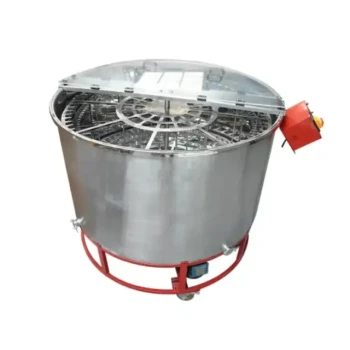
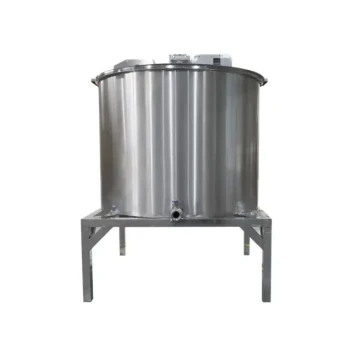
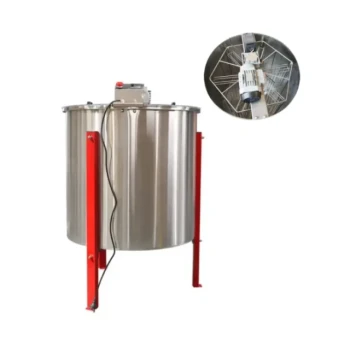
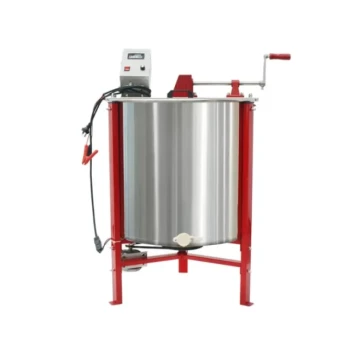
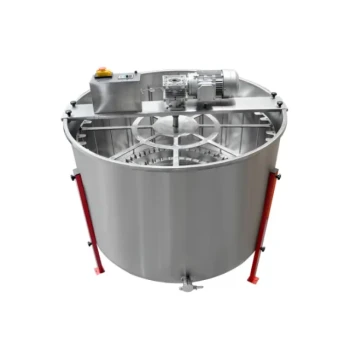
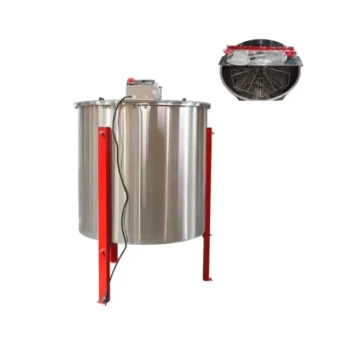
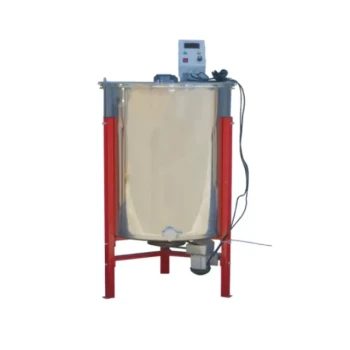
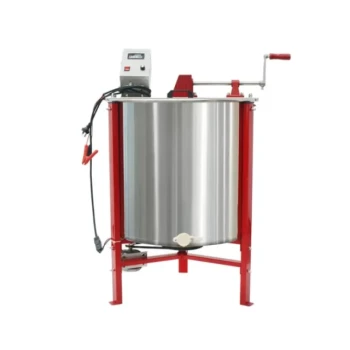
The primary benefits of an electric honey extractor are speed, volume capacity, and the elimination of physical labor. These machines utilize an electric motor to automate the spinning process, allowing beekeepers to process large quantities of honey—from a dozen frames to over 100 in industrial settings—significantly faster than manual methods. This automation transforms the harvest from a physically exhausting chore into a streamlined, efficient operation.
While manual extraction is viable for a single hive, electric extractors remove the physical bottleneck of harvesting. They allow the operator to multitask and process high volumes of frames simultaneously, effectively trading financial investment for significant time savings and workflow efficiency.
Transforming the Workflow through Automation
Eliminating Physical Fatigue
The most immediate impact of an electric extractor is the removal of manual labor. Manual extractors require continuous hand-cranking, which becomes physically exhausting after just a few frames.
Electric models operate with the push of a button, requiring no physical exertion to spin the basket. This makes the harvesting process accessible to beekeepers of all physical abilities and prevents exhaustion during long harvest days.
Enabling Parallel Tasking
Efficiency in beekeeping is about flow. With a manual extractor, you are tied to the machine while it spins.
An electric extractor allows you to multitask. While the motor spins the current load of frames, you are free to uncap the next set of frames, filter honey, or prepare bottling equipment. This continuous cycle drastically reduces the total time spent in the honey house.
Scaling Your Operation
Handling High Volume
Electric extractors are designed to support growth. While manual units typically hold 2 to 4 frames, electric models are built to accommodate significantly larger loads.
As noted in industrial applications, these machines can extract honey from as many as 100 deep frames at once. Even for smaller sideliner operations, the ability to spin larger batches simultaneously makes them essential for anyone managing more than a couple of hives.
Consistent Speed and Efficiency
Human operators fatigue, leading to inconsistent spinning speeds that can leave honey in the comb. Electric motors maintain a consistent velocity.
This reliable speed ensures the process is finished quickly and predictably every time. You can process a massive volume of honeycombs without the "slow down" that occurs with manual cranking as the day wears on.
Preservation and Yield
Maximizing Honey Extraction
The consistent, high-speed rotation generates strong centrifugal force. This force pulls a higher percentage of honey out of the cells compared to the variable speeds of manual extraction.
The result is a higher yield per frame, ensuring you get the most product possible from your harvest.
Protecting the Honeycomb
Despite the high speeds, electric extractors are designed to be gentle on the wax. By applying smooth, consistent force, they minimize the risk of "blowing out" or damaging the comb.
Preserving the integrity of the honeycomb is critical because it allows you to return the frames to the hive for immediate reuse, saving the bees the energy of rebuilding wax.
Understanding the Trade-offs
Higher Initial Investment
The clear downside to electric extractors is the cost. They represent a significantly higher financial entry point than manual hand-crank models.
For a beekeeper with only one or two hives, the time saved may not justify the price premium of the motor and larger stainless steel drum.
Dependency on Power
Unlike manual extractors, which can be used anywhere, electric models require a power source. This limits their portability if your processing area is off-grid or far from an outlet.
Additionally, they introduce mechanical complexity; motors and switches can fail, potentially requiring maintenance that a simple mechanical gear system would not.
Making the Right Choice for Your Goal
Before upgrading, assess your current apiary size and your plans for the next three years.
- If your primary focus is rapid expansion: Invest in an electric extractor immediately, as it will handle increased volume without adding labor hours.
- If your primary focus is budget or small-scale hobbyist beekeeping (1-2 hives): Stick with a manual extractor, as the volume of honey will not justify the cost or storage space of an electric unit.
- If your primary focus is efficiency and time management: Choose an electric model to unlock the ability to uncap frames while the machine spins, cutting your processing time in half.
The transition to an electric extractor marks the shift from keeping bees to managing a honey production workflow.
Summary Table:
| Feature | Manual Extractor | Electric Extractor |
|---|---|---|
| Labor Intensity | High (Continuous cranking) | Low (Automated motor) |
| Capacity | Low (Typically 2-4 frames) | High (Up to 100+ frames) |
| Efficiency | One task at a time | Allows multitasking/parallel tasking |
| Honey Yield | Variable based on fatigue | Consistently high (Maximum centrifugal force) |
| Best Suitability | 1-2 Hives / Hobbyists | Commercial Apiaries / Scaling Operations |
Scale Your Honey Production with HONESTBEE
Transitioning from manual labor to automated efficiency is the key to a profitable apiary. HONESTBEE specializes in supporting commercial apiaries and distributors with high-performance electric honey extractors, honey-filling machinery, and a full spectrum of hive-making equipment. Whether you need specialized hardware or essential industry consumables, our wholesale offerings are designed to streamline your workflow and maximize your output.
Ready to upgrade your harvesting capacity? Contact us today to discover how our comprehensive beekeeping tools and equipment can grow your business.
Related Products
- HONESTBEE 72 Frame Industrial Electric Honey Extractor for Beekeeping
- Commercial Electric 12 Frame Honey Extractor Spinner Motorized Honey Extractor
- 32 Frame Commercial Electric Honey Extractor for Beekeeping and Honey Production
- Electric 4 Frame Tangential Honey Extractor
- electric honey extractor honey centrifuge 3 frame honey extractor stainless steel honey frame extractor
People Also Ask
- What is the importance of balancing honeycomb frames within a honey extractor? Ensure Stability and Protect Machinery
- How is honey separated from the frames after they are uncapped? Efficient Extraction Methods for High Yields
- What are the main benefits of using a honey extractor? Maximize Yields and Protect Your Honeycomb
- What are the recommended methods for removing honey from the honeycomb? Top Extraction Techniques for Maximum Efficiency
- How do manual honey extractors compare to electric honey extractors? Choosing the Right Tool for Your Apiary Growth