Maximizing honey yield requires a synergy between biological potential and professional-grade infrastructure. Production volume is primarily dictated by the colony's strength and health, the availability of local forage, and the efficiency of the hive design. For commercial operations, these factors must be balanced with strategic hive management and high-quality equipment to ensure consistent, high-volume outputs.
Core Takeaway: Achieving high-volume honey production depends on balancing biological colony health with professional-grade hive infrastructure and strategic environmental placement. For distributors and resellers, sourcing standardized, high-quality equipment is the most effective way to help clients optimize these variables for a stable return on investment.
Biological and Environmental Drivers of Yield
Colony Strength and Genetic Potential
The age and strength of a bee colony are the most fundamental determinants of honey output. A healthy, robust colony can produce up to 60 pounds of surplus honey, whereas a struggling colony may only produce enough for its own survival. Using specific bee breeds with high-performance genetics further ensures the colony can maximize the available nectar flow.
Forage Availability and Carrying Capacity
Honey production is strictly limited by the "carrying capacity" of the local environment. This refers to the total amount of nectar-producing plants available within the bees' flight range. Beekeepers must scientifically plan colony size based on this forage to ensure there is enough raw material to facilitate a high-yield harvest.
Local Weather Patterns and Geography
Geographic location and local weather patterns significantly impact the timing and volume of honey production. Excessive rain or extreme temperatures can prevent bees from foraging, even if plants are in bloom. High-quality infrastructure is required to protect the colony from these external stressors to maintain production consistency.
The Role of Physical Infrastructure
Hive Design and Spatial Optimization
The dimensions and internal design of a beehive act as the primary production infrastructure. Properly designed hives optimize the spatial layout, providing the necessary room for colony growth and ample storage for honey surplus. This internal organization directly determines the volume of honey a beekeeper can extract without harming the colony.
Micro-climate Regulation and Protection
Standardized beehives provide an optimal micro-climate that protects bees from extreme weather conditions. Well-manufactured structures facilitate better reproduction and higher overwintering survival rates. By maintaining a stable internal temperature, the bees spend less energy on thermoregulation and more on honey production.
Compatibility with Modern Harvesting Equipment
In commercial operations, hives must be compatible with modern harvesting and auxiliary equipment. Standardized hive designs allow for efficient order fulfillment and rapid processing of honey during peak seasons. This compatibility reduces labor ratios and increases the overall efficiency of the extraction process.
Understanding Commercial Scaling Trade-offs
Balancing Hive Density vs. Individual Yield
While increasing the number of hives increases total production capacity, overcrowding an area can lead to competition for forage. If the hive density exceeds the local carrying capacity, the average honey yield per hive will drop. Distributors should advise clients on maintaining an optimal balance to ensure each unit remains profitable.
Growth Speed vs. Management Complexity
Rapidly scaling an apiary to 60-100 hives requires the integration of advanced disease monitoring and quality control protocols. High-volume operations gain efficiency but face higher risks if a single disease outbreak occurs. Utilizing a partner with deep industry expertise helps in selecting equipment that facilitates rapid inspection and disease management.
Making the Right Choice for Your Goal
Selecting the right equipment and sourcing partner is essential for maintaining production standards across a diverse portfolio of beekeeping clients.
- If your primary focus is rapid scaling: Partner with a supplier offering a comprehensive full-spectrum product portfolio and ultra-fast delivery to ensure infrastructure is ready for deployment before peak forage seasons.
- If your primary focus is maximizing yield per colony: Prioritize standardized, high-quality beehives that optimize spatial layout and offer superior micro-climate protection for better survival rates.
- If your primary focus is supply chain stability: Look for trading partners with deep professional industry expertise who provide rapid response times and dedicated customer service to handle high-volume orders.
A data-driven approach to hive selection and management ensures a high-yield, stable output for any professional apiculture operation.
Summary Table:
| Key Factor | Influence on Production | Commercial Strategic Impact |
|---|---|---|
| Colony Strength | Genetics & population size | Determines individual hive potential (up to 60 lbs surplus). |
| Forage & Environment | Nectar availability & weather | Defines the carrying capacity and timing of the harvest. |
| Hive Infrastructure | Spatial design & micro-climate | Enhances overwintering survival and extraction efficiency. |
| Management Scale | Hive density & disease control | Balances total volume against labor and management complexity. |
Scale Your Success with HONESTBEE’s Professional Solutions
Maximize your profit margins and ensure supply reliability by partnering with HONESTBEE. As a dedicated one-stop sourcing partner for distributors, wholesalers, and commercial apiaries, we offer a comprehensive full-spectrum product portfolio—from precision hive-making and honey-filling machinery to essential industry consumables and cultural merchandise.
Why Choose HONESTBEE?
- Deep Industry Expertise: Professional guidance to help you select the right infrastructure for high-yield results.
- Efficient Fulfillment: Ultra-fast delivery and rapid response times to keep your operations running smoothly.
- Tailored Support: Full OEM/ODM capabilities to meet the specific needs of your B2B resellers.
Ready to elevate your beekeeping inventory? Contact us today to explore our wholesale offerings!
Related Products
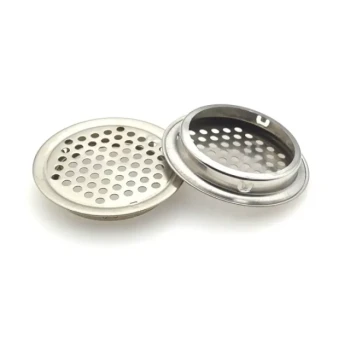
- Stainless Steel Round Beehive Air Vents for Ventilation
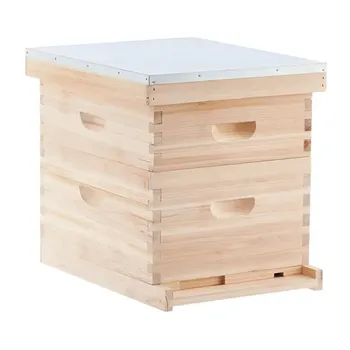
- Wholesales Dadant Size Wooden Bee Hives for Beekeeping
- Metal Hive Feet Bee Hive Stand for Ant Protection
- Metal Bee Hive Stand Bee Box Stand for Beekeeping
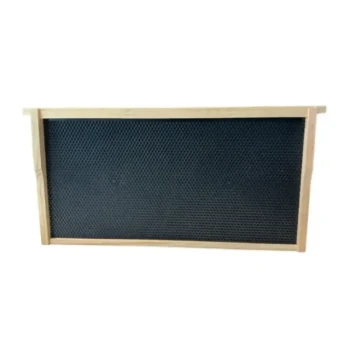
- Wooden Bee Hive Frames for Beekeeping and Wholesale
People Also Ask
- How does ventilation affect colony health, and how should it be managed seasonally? A Guide to Preventing Moisture & Overheating
- Why is proper ventilation important in a beehive? Prevent Mold, Regulate Temperature, and Boost Colony Health
- How can a beekeeper provide proper ventilation for a beehive throughout the year? Seasonal Strategies for Bee Health
- Why is good ventilation crucial when transporting beehives? Protect Your Colony from Lethal Overheating
- How can ventilation be added to a beehive without using an inner cover? Simple, Effective Solutions for Healthy Hives