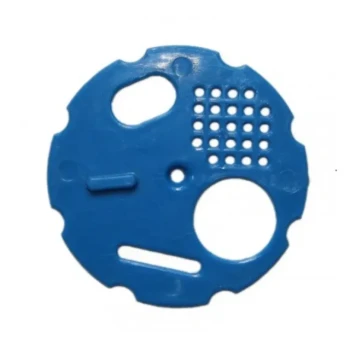
A hive entrance reducer acts as a flexible gatekeeper for your honey bee colony. Its primary function is to restrict the size of the hive's opening, giving the bees a tactical advantage in defense and climate regulation. By narrowing the entrance, you assist the colony in guarding against predators, preventing resource theft by other bees, and maintaining a stable internal environment during adverse weather.
While entrance reducers are simple physical barriers, they are essential management tools. They allow beekeepers to dynamically adjust the hive's security and ventilation needs based on the season, the colony's population size, and specific operational tasks.
Colony Defense and Security
Protecting Vulnerable Populations
A new or establishing colony often lacks the population density required to guard a full-width entrance.
By installing a reducer, you shrink the defensible area. This allows a smaller number of guard bees to effectively protect the hive against intruders.
Preventing "Robbing"
"Robbing" occurs when bees from stronger colonies attack a weaker hive to steal honey.
Reducing the entrance makes the hive significantly harder for invader bees to penetrate. This simple adjustment can save a weak colony from being completely overwhelmed and starved.
Deterring Large Pests
During colder months, pests such as mice view the hive as a warm shelter.
A wooden entrance reducer acts as a physical barricade against these larger intruders. It allows bees to pass in and out while blocking access to rodents that could destroy the comb and contaminate the hive.
Climate and Environmental Control
Reducing Drafts
In cold climates, maintaining the internal temperature of the cluster is vital for colony survival.
The entrance reducer minimizes wind chill by limiting the volume of cold air rushing into the hive. This helps the bees conserve the energy required to generate heat.
Preventing Snow Entry
Accumulated snow can blow into a wide-open entrance, blocking airflow or causing moisture issues as it melts.
A reducer limits the space where snow can enter. This ensures the bottom board remains relatively clear, preventing the entrance from becoming clogged with ice or snow.
Operational Management
Relocation and Transport
There are times when a hive must be moved, either a short distance across the apiary or to a new location entirely.
The entrance reducer can be rotated or modified to temporarily seal the hive completely. This keeps the bees contained safely inside during transport.
Treatment Application
Certain mite treatments or medications require a confined space to work effectively.
Beekeepers use the reducer to close the hive temporarily during these applications. This ensures the correct concentration of the treatment is maintained within the hive body.
Understanding the Trade-offs
Risk of Overheating
While reducers are excellent for retaining heat, they can be detrimental in high summer heat.
If a reducer is left in place during a hot day with a strong colony, it may restrict ventilation. This can cause the hive to overheat, potentially leading to brood damage or swarming.
Traffic Congestion
A strong colony during a nectar flow has thousands of foragers coming and going.
Leaving a reducer on the smallest setting during peak activity creates a "bottleneck." This congestion slows down foraging efficiency as bees struggle to enter and exit the hive.
Making the Right Choice for Your Goal
To use an entrance reducer effectively, match the setting to your immediate objective:
- If your primary focus is establishing a new package or nucleus: Keep the entrance at its smallest setting to help the small population defend their new home.
- If your primary focus is winterizing: Install the reducer to the intermediate or small setting to prevent drafts and keep mice out.
- If your primary focus is moving the hive: Use the reducer to completely seal the entrance ensuring no bees escape during transit.
By adjusting the hive entrance to match external conditions, you provide your bees with the structural support they need to thrive in any season.
Summary Table:
| Function Category | Primary Benefit | Ideal Scenario |
|---|---|---|
| Colony Defense | Prevents robbing & blocks pests like mice | Weak colonies, wintering |
| Climate Control | Minimizes drafts & prevents snow entry | Cold weather, windy seasons |
| Operational | Secure containment for transport | Relocating hives |
| Health | Enhances efficacy of mite treatments | During medication applications |
| Ventilation | Balancing heat vs. airflow | Managed by adjusting opening size |
Maximize Your Apiary Productivity with HONESTBEE
Running a commercial apiary or distribution business requires reliable equipment that stands up to the elements. HONESTBEE provides a comprehensive wholesale range of beekeeping essentials—from hive-making machinery and honey-filling systems to durable hardware and protective gear.
Whether you are scaling your operation or sourcing premium supplies for retail, our expertise ensures you get the best tools for the job. Empower your bees and streamline your production today.
Contact HONESTBEE for Wholesale Solutions
Related Products
- Steel Round Disc Entrance Reducer for Flexzion Bee Hive Nuc Box Gate
- Beehive Entrance Reducer Guardian Metal Hive Entrance for Bees
- Professional Hive Front Entrance Bee Feeder
- Multi-Functional Rotary Hive Entrance Disc for Beekeeping
- HONESTBEE Entrance Bee Feeder Efficient Hive Front Liquid Feeding Solution for Beekeeping
People Also Ask
- What is the purpose of an entrance reducer for a beehive? Strengthen Colony Defense and Prevent Robbery
- Why are entrance reducers used to counter hornet infestations? Protect Your Hive with Strategic Choke Points
- Why is it critical to maintain a smaller entrance for a newly established bee hive? Boost Colony Growth and Security
- Under what conditions should a beekeeper adjust the size of a beehive entrance? Seasonal & Defense Management Tips
- What is the function of an entrance reducer on a beehive? Strengthen Colony Defense and Climate Control